

Baby and Books
5 min read От Мама За Мами
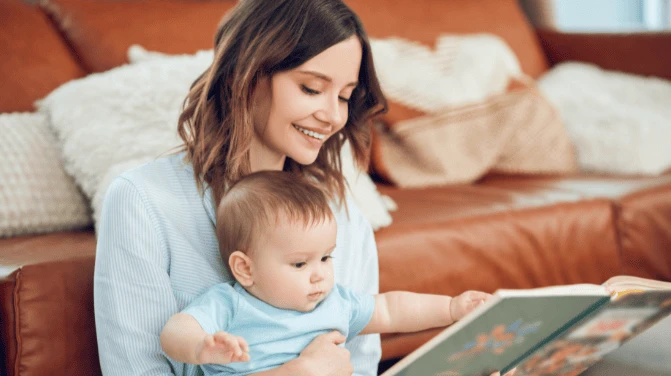
When should you start reading to your baby? When and how should you introduce them to books?
These are just some of the questions many parents mull over from the very first months after their new arrival.
On one hand, our wish to do more things together with our little one pushes us to buy a storybook and start reading.
On the other hand, we know babies are still developing their senses: sight, hearing, the ability to engage with the world and communicate with the people and objects around them. Which raises a natural question: is there any point reading to such a young baby, and when, and what kind of reaction should we expect?
When it comes to bonding with your baby, reading absolutely makes sense. It helps you feel more fully connected to your little one, and it has a pleasant effect on the baby too, who enjoys hearing mum or dad's voice as they read.
You can start reading even before your baby is born, or after birth, from day twenty or whenever you like and have the time. There is no set rule and no downside to starting early. What's important, though, is to know as an enthusiastic parent that your baby's reaction to storytime, or how they engage with you during it, will not necessarily be enthusiastic or long lasting.
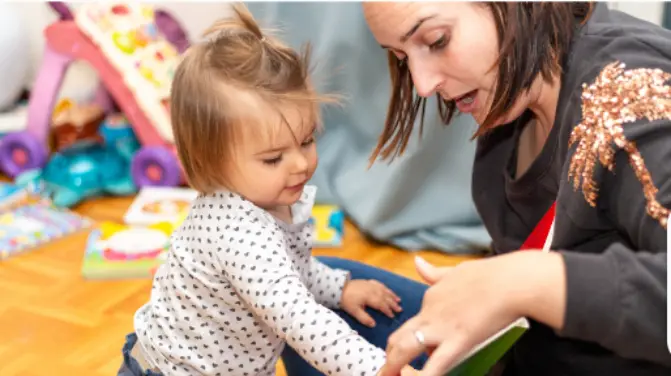
Maybe this has happened to you already, or maybe not yet: you buy a beautifully illustrated book, settle into a comfy spot on the sofa with your baby snuggled in, and decide the next twenty to thirty minutes will be spent blissfully lost in the story.
But if your little one is still a newborn, they might start crying by minute five because their nappy has shifted and won't let them settle enough to enjoy your voice.
Or your child might already be past six months, having mastered rolling from tummy to back and back again, crawling ever more confidently, sitting up and sliding back down, and all these exciting new skills tempt them so much that by minute five they're already at the other end of the sofa, ready to attempt climbing down on their own. Wonderful milestones, all of them, but not exactly compatible with our hopeful vision of a magical trip into storyland.
So we don't get frustrated or disappointed when we barely make it through half of what we'd planned to read, it helps to know that a child's attention is a precious resource, and their ability to focus on any activity, game or object improves and develops with age. If you read to your child around their first birthday, you can expect them to hold interest in your story for somewhere between one and ten minutes. That's just a guideline, and it naturally depends on each child's temperament. It also depends on how engaging and expressive your reading is, whether you draw them into the adventure or deliver it flatly, and whether you read regularly or only now and then. According to many sources and guidelines, children become more interested in having stories read to them after they turn two.

The earlier we start reading, though, even if it's just a few minutes at a time until your child builds the habit of a daily reading slot, the more they'll come to enjoy this "outing" into the world of books. With consistency, varied reading material, illustrations and expressive reading, storytime becomes a favourite part of the day for both your child and you. Gradually you'll enjoy longer and longer stretches of genuine attention and interest from your little one toward the chosen story, and before long you'll be reading more than one from start to finish. 🙂
If you decide your baby's first encounters with books should happen in the first few months (months two to six), soft books with big, colourful pictures of animals and everyday objects are a great choice. They're made from safe materials with rounded edges, and some are even designed to double as teething toys 🙂 Placed in front of your baby, they make tummy time more varied and encourage your baby to practise holding their head up. They also help develop focus and vision.
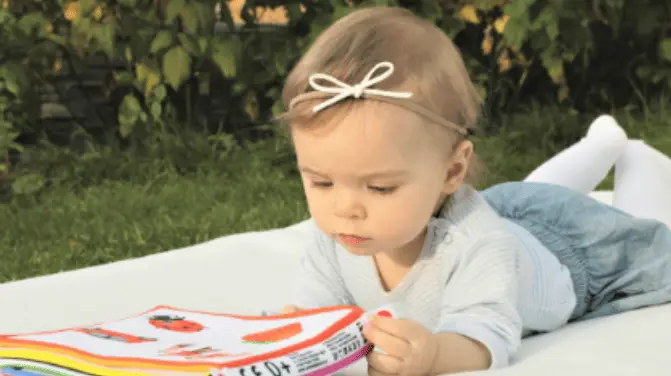
As your child grows and develops, you can gradually introduce puzzle books. These have one large puzzle piece every few pages, which come together on the back cover (usually four large pieces in total, to make it as easy as possible for a parent and child to assemble the puzzle together) to form an interesting picture of a favourite character or object 🙂 Precision, the desire to complete a puzzle, to turn the pages, and even to bring us their chosen book to read, all develop in your child through consistent reading on our part.
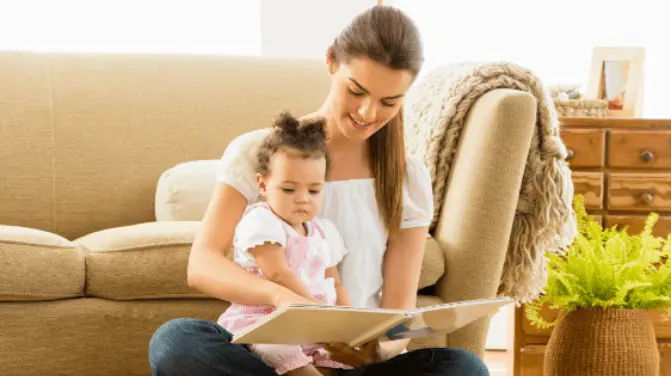
After the first birthday, you can expand your home library with bigger, more substantial books to capture your child's interest, and keep building on that shared moment when it's time for a book at home, every day, snuggled up together.
See how you can support your baby's development right from their first year: https://otmamazamami.com/pomagalo-super-bebe