Why Is Physical Activity Important for Your Child's Development?
3 min read От Мама За Мами
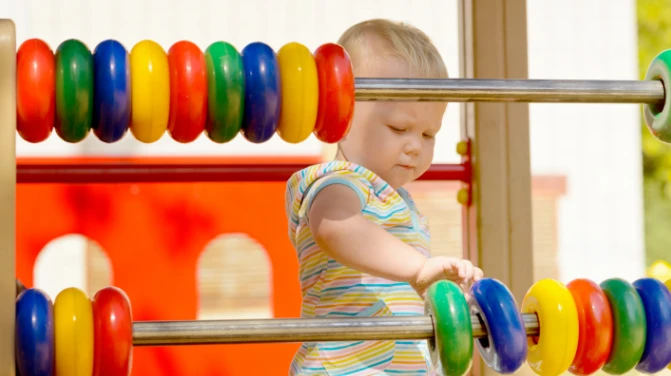
There's a lot of research on which aspects of early childhood development are shaped by physical activity. Over the years, the data has consistently pointed to a direct link between how physically active a baby is and their physical, cognitive, emotional and even language development. Here are some of the key takeaways:
Gross motor skills: When babies take part in physical activities that use the large muscles, like crawling, walking and running, they build gross motor skills. These skills are essential for everyday activities such as sitting upright, climbing stairs and carrying objects.
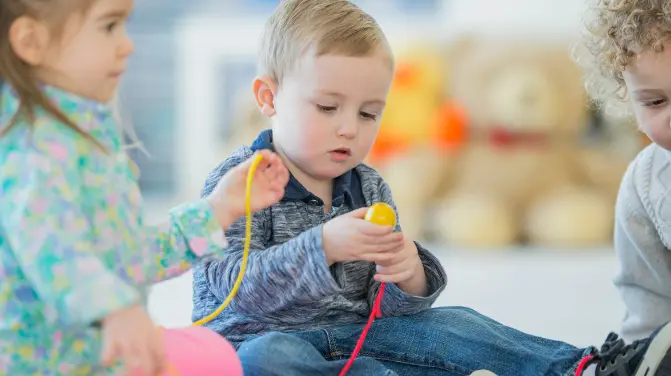
Fine motor skills: Physical activity also helps babies develop fine motor skills, which involve the small muscles in their hands and fingers. As they play with toys and objects, they learn to grasp and manipulate them, which matters for skills like writing, drawing and using cutlery.
Sensory development: Physical activity also helps babies develop their sensory skills. By touching and exploring different textures and objects, they build a better understanding of the world around them.
Spatial awareness: Physical activity helps babies develop spatial awareness, the ability to understand the relationship between themselves and their surroundings. This helps them learn about their own bodies and how to move through their environment.
Problem solving: as babies engage in physical activities, they come up against different challenges and obstacles. They learn to solve problems and find ways to overcome these challenges.
Memory: Physical activity can also improve a baby's memory. When they repeat certain actions, like reaching for a toy, they build muscle memory that can help with future movements and activities.
Confidence: Physical activity can help babies build confidence as they learn to find their way around their environment and master new skills.
Independence: As babies engage in physical activity, they learn to explore their surroundings on their own. This can lead to a sense of independence and self-sufficiency.
Emotional regulation: Physical activity can also help babies regulate their emotions. Being physically active can help release stress and tension.
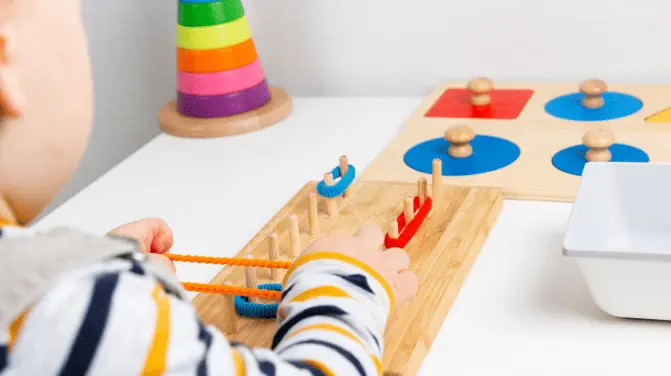
Communication: Physical activity can make it easier for babies to communicate with their caregivers. For example, when a baby reaches for a toy, they might make a sound or gesture to express that they want it.
Vocabulary: As babies take part in physical activity, they can pick up new words and concepts, like "up", "down", "over" and "under".
Social development: Physical activity can also help babies develop social skills as they interact with caregivers and other children. For example, they might learn to take turns or share toys.
In short, physical activity is crucial to a baby's development, supporting their physical, cognitive, emotional and language growth. By taking part in different kinds of physical activity, babies learn and grow in a way that's fun and interactive.