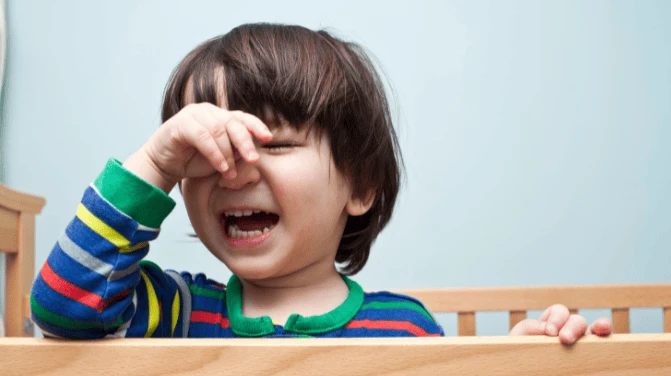


What Are the Signs That Your Baby Is Ready for Weaning?
3 min read От Мама За Мами
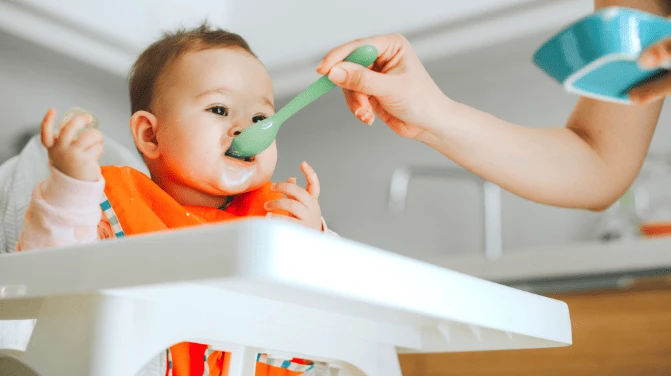
There's no universal formula, or exact date, for when to start weaning a baby. Different studies point to suitable time frames, and there are various methods for doing it, but whether to start, when, how, and with what all depend on each individual baby's readiness.
It helps us as parents to know the main signs that a baby is ready to be weaned, so we can watch out for them as they appear.
Babies usually show several signs that they're ready to start eating solid food. Here are some of the most common signs to look out for:
Can sit upright: To eat solid food safely, babies need to be able to sit upright and hold their head steady. This ensures they can swallow food safely and reduces the risk of choking.
Good head control: Your baby needs good head control and to be able to hold their head steady while sitting upright. This helps them chew and swallow food without a choking risk.
Interest in food: When babies start showing interest in the food their caregivers are eating, it's a sign they're ready to try solids. This can include reaching for food, making sounds, or watching closely as others eat.
Supports brain development: Spinach contains high levels of folic acid, which is linked to better brain development and cognitive function.
Promotes a healthy digestive system: Spinach is high in fibre, which helps support regular bowel movements and a healthy digestive system.
Anti-inflammatory properties: Spinach has anti-inflammatory properties that can help reduce inflammation in the body and support overall health.
Versatility: Spinach can be prepared in many different ways, making it a versatile addition to your baby's menu. It can be steamed, pureed, or added to soups, stews, and casseroles.
Introduces new tastes and textures: Adding spinach to your baby's menu can help introduce them to new tastes and textures, which can be useful for encouraging healthy eating habits later in life.
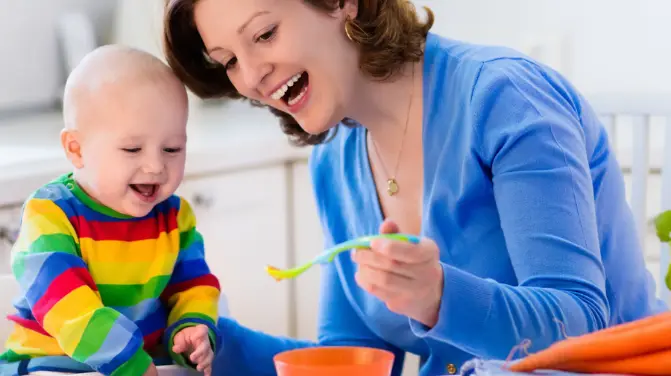
Ability to chew: Babies need to be able to chew and move food to the back of the mouth in order to eat solid food safely. This helps break food down into smaller pieces that can be swallowed safely.
Ability to swallow: A baby's swallowing reflex needs to be well established before starting solid food. This means they need to be able to swallow food without choking or gagging, which helps reduce the risk of choking.
Coordinated tongue movement: The ability to move the tongue in a coordinated way is needed for chewing and swallowing solid food. This includes being able to move the tongue both up and down and side to side.
Loss of the tongue-thrust reflex: The tongue-thrust reflex is a natural reflex that makes babies push food out of their mouth. When this reflex starts to fade, it's a sign your baby is ready for solid food.
These are some of the most common signs that a baby is ready to be weaned. It's important to remember that every baby is different and may show these signs at different times. It's always best to consult your paediatrician to determine the right time for your little one to start introducing soft, and gradually solid, foods into their menu.
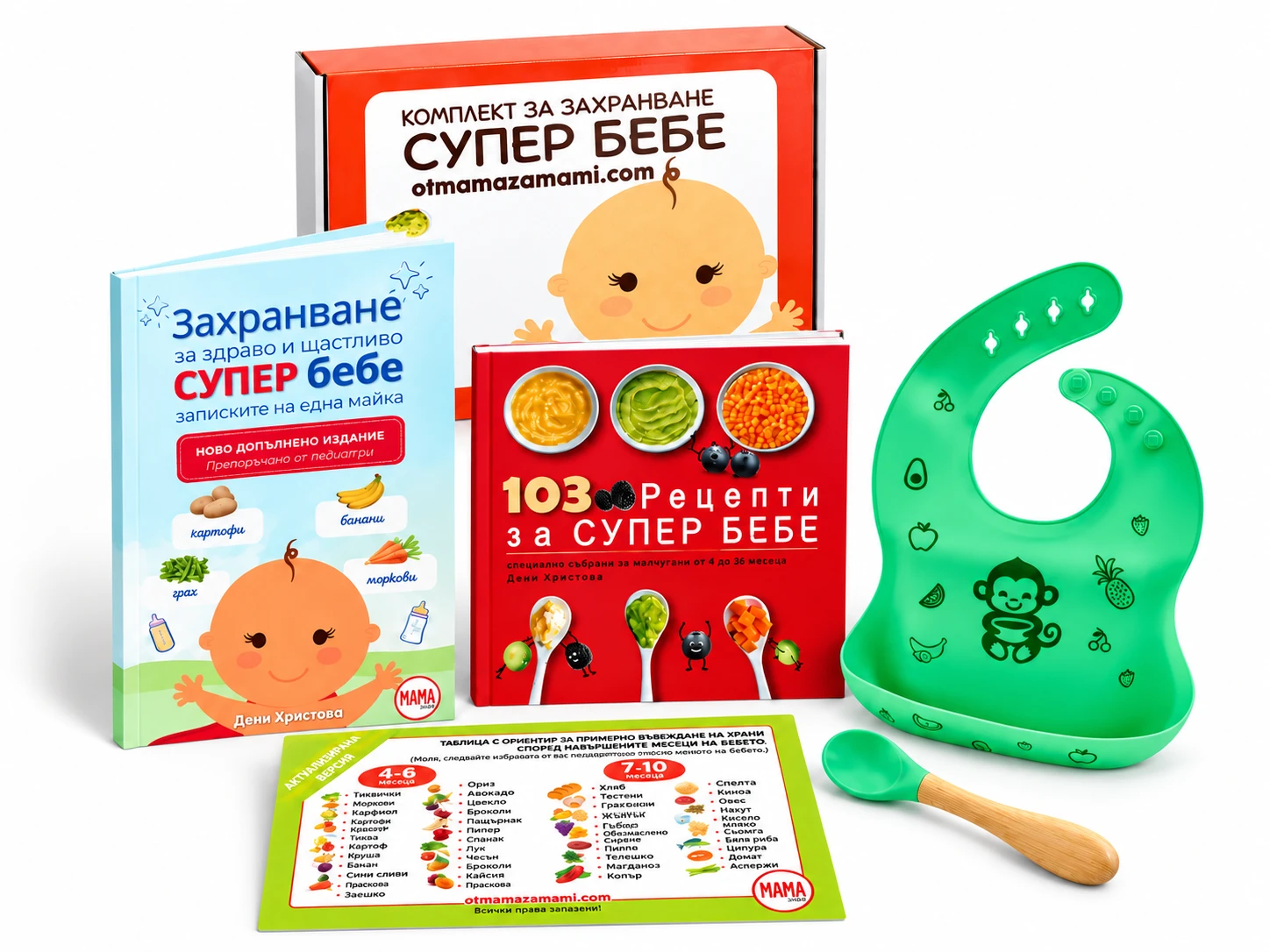
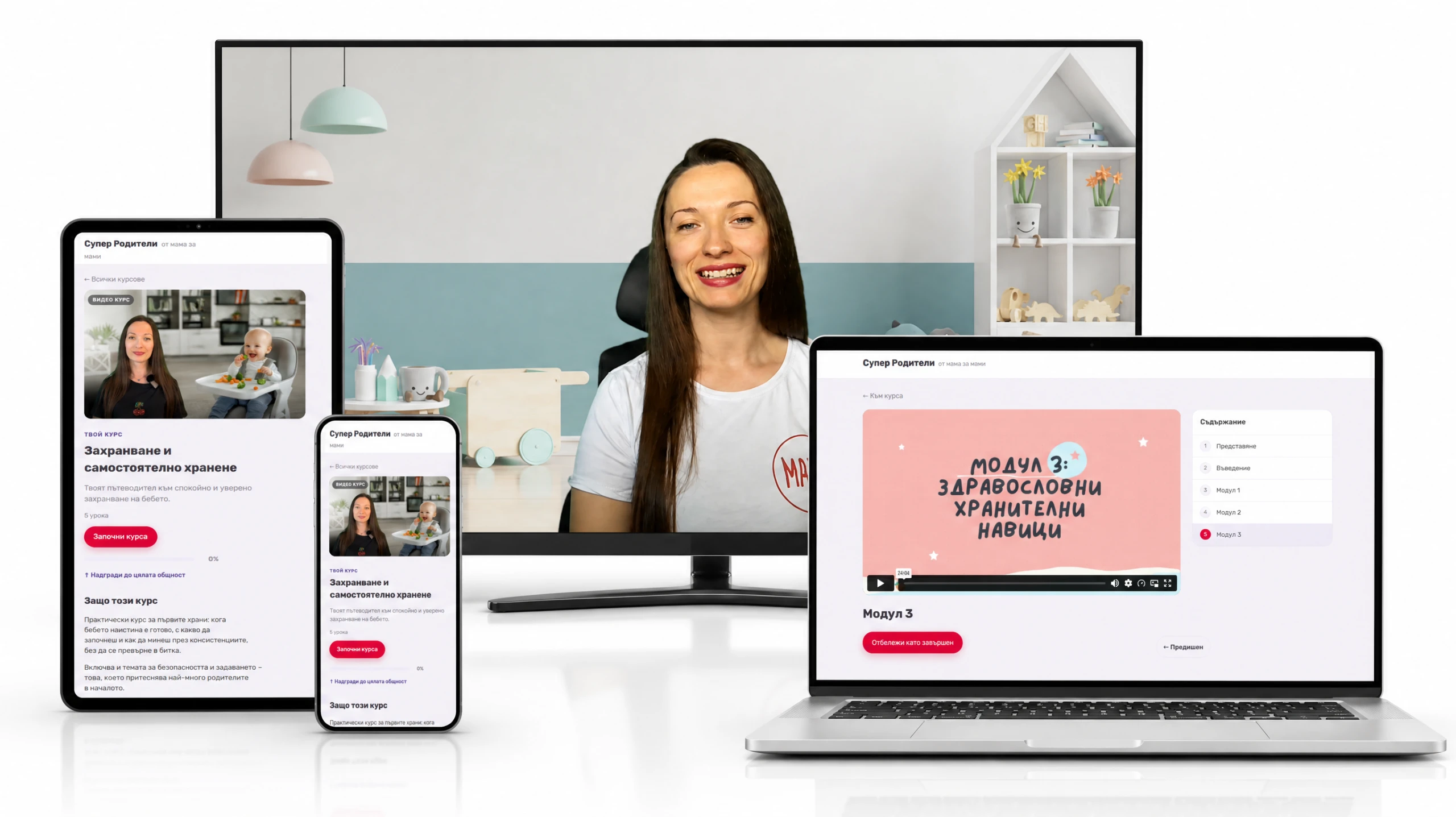
Find lots of useful weaning tips and plenty of tasty recipes in our Super Baby weaning kit: https://otmamazamami.com/komplekt-super-bebe