








The Benefits of Adding Ground Nuts and Carob to Your Child's Diet
4 min read От Мама За Мами
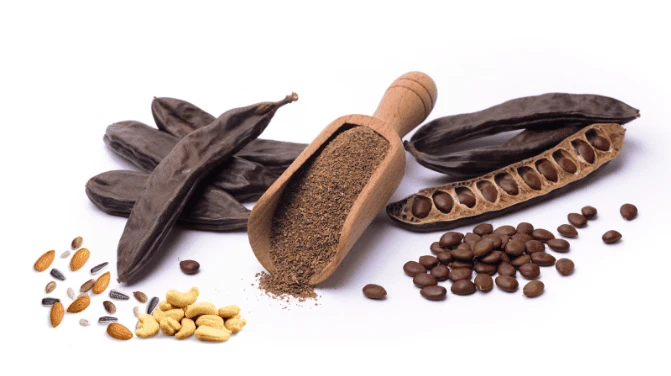
There are plenty of good reasons to include both nuts and carob in your child's diet. Before we look at some of them, it's worth stressing that for children aged 1 to 3, nuts should be offered ground, or at least finely broken up, to avoid the risk of choking. It's also important to keep an eye on the amount given at each serving, so you can catch it quickly if your child shows an allergic reaction to a particular nut.
Once they're part of your child's diet, and you're confident there's no allergic reaction to carob or nuts, you can offer them regularly in different forms. So what are the benefits of including these two ingredients in your child's diet?
• High nutritional value: Ground nuts and carob contain a range of essential nutrients, including protein, healthy fats, fibre, vitamins and minerals. These nutrients help support healthy growth and development in young children.
• Support brain development: The healthy fats in nuts and carob can support brain development in young children. Omega-3 fatty acids in particular are important for brain health and can be found in walnuts and other nuts.
• Support digestive health: The fibre in ground nuts and carob can help support digestive health in young children by encouraging regular bowel movements and preventing constipation.
• Support the immune system: Nuts and carob contain antioxidants and other nutrients that can help support your child's immune system and reduce the risk of infection.
• Make a healthy snack: Ground nuts and carob can be a healthy, nourishing snack option for young children, offering a satisfying and tasty alternative to less healthy snacks like sweets or crisps.
It's worth noting that the specific benefits of ground nuts and carob can vary depending on the types used, as well as the amount and frequency of consumption. If you're unsure when, how or whether to introduce nuts and carob, you can always consult your paediatrician or a dietitian, who can help you work out the right portion sizes and frequency for your child's individual needs.
What recipes can you use to add nuts and carob to your child's menu?
Once they've been introduced without any problems and your child is eating yoghurt (whatever kind - goat's, cow's, and so on) you can go ahead and make the following recipe for a light snack:
Cognitive development matters for a baby's social, emotional and academic success. Babies with a strong foundation in cognitive skills are better equipped to learn, communicate, solve problems and build social relationships with others. They're also more likely to have better mental health outcomes as they grow, including a lower risk of anxiety and depression.
Cognitive development plays a critical role in shaping a baby's personality, creativity and curiosity about the world around them. It helps them explore and discover their surroundings, learn from experience, and develop a sense of self-awareness and their place in the world. Giving babies a rich, supportive environment that encourages cognitive development can help them reach their full potential and lead a happy, healthy and fulfilling life.

Yoghurt, Fruit and Carob Cream
3 tablespoons of yoghurt
2 teaspoons of ground nuts of your choice (hazelnuts, walnuts, almonds, peanuts)
10 ml (about 2 tablespoons) of water
In the bowl of your chopper or blender, add the banana, carob, ground nuts, washed blueberries and the water. Blend until you get a smooth, even mixture. Put the yoghurt in a small bowl and pour the nut, fruit and carob mixture over the top. If you like, decorate with more fresh fruit on top and put it in the fridge for 2 hours to set.

You'll find lots more useful, easy and tasty recipes in our book of 103 Recipes: https://otmamazamami.com/recepti