








"The tantrum isn't stubbornness" - what's really behind children's meltdowns
5 min read От Мама За Мами

There are moments in parenting that throw us completely off balance. Your child is crying, screaming, throwing themselves on the floor, and you're standing there wondering exactly what's happening and how to respond. In moments like these, it's easy to think your child is being stubborn, "testing" you, or simply refusing to listen. The truth, though, is much deeper and much more human.
A tantrum isn't behaviour a child consciously chooses. It's an expression of something they can't yet put into words. And once we start seeing these moments not as a problem to stop, but as a signal to understand, it changes not just our reaction, but the entire dynamic between us and our child.
What is a tantrum, and why does it happen?
A tantrum is a natural part of a young child's development and most often appears between the ages of one and four. This is a stage where children start to feel their wants intensely, but haven't yet developed the skills to express or regulate them. They experience emotions at full force - joy, anger, frustration - without knowing what to do with them.
When that tension builds up too much, it simply spills out. Crying, shouting, throwing things or dropping to the floor aren't attempts to control the situation - they're the body's way of releasing that tension. This is important to understand, because it completely changes how we view the behaviour.
A child doesn't have a tantrum "to get something." They have a tantrum because, in that moment, they have no other way to cope.
When we call this behaviour "stubbornness," we're assigning it intent - as if the child were deliberately choosing to act this way to defy us or get their own way. That automatically pushes us to try to "win" the situation, through control, insistence or punishment.
But in reality, during a tantrum, a child isn't able to control their own behaviour. Their brain is in a state of intense emotional reaction, where logic simply doesn't function. Adults experience this too sometimes, but we have more tools to find our way back to calm. Children are still building theirs.
This shift in perspective matters enormously. When we stop seeing a tantrum as defiance and start seeing it as a need, our response changes too. We move from fighting to supporting.
How to respond during a tantrum
In the middle of a tantrum, the most important thing your child needs is calm. Not a perfect reaction, not exactly the right words, but the presence of an adult who stays steady even when things are difficult. This isn't always easy, because these moments often stir up our own emotions too - irritation, helplessness, sometimes even anger.
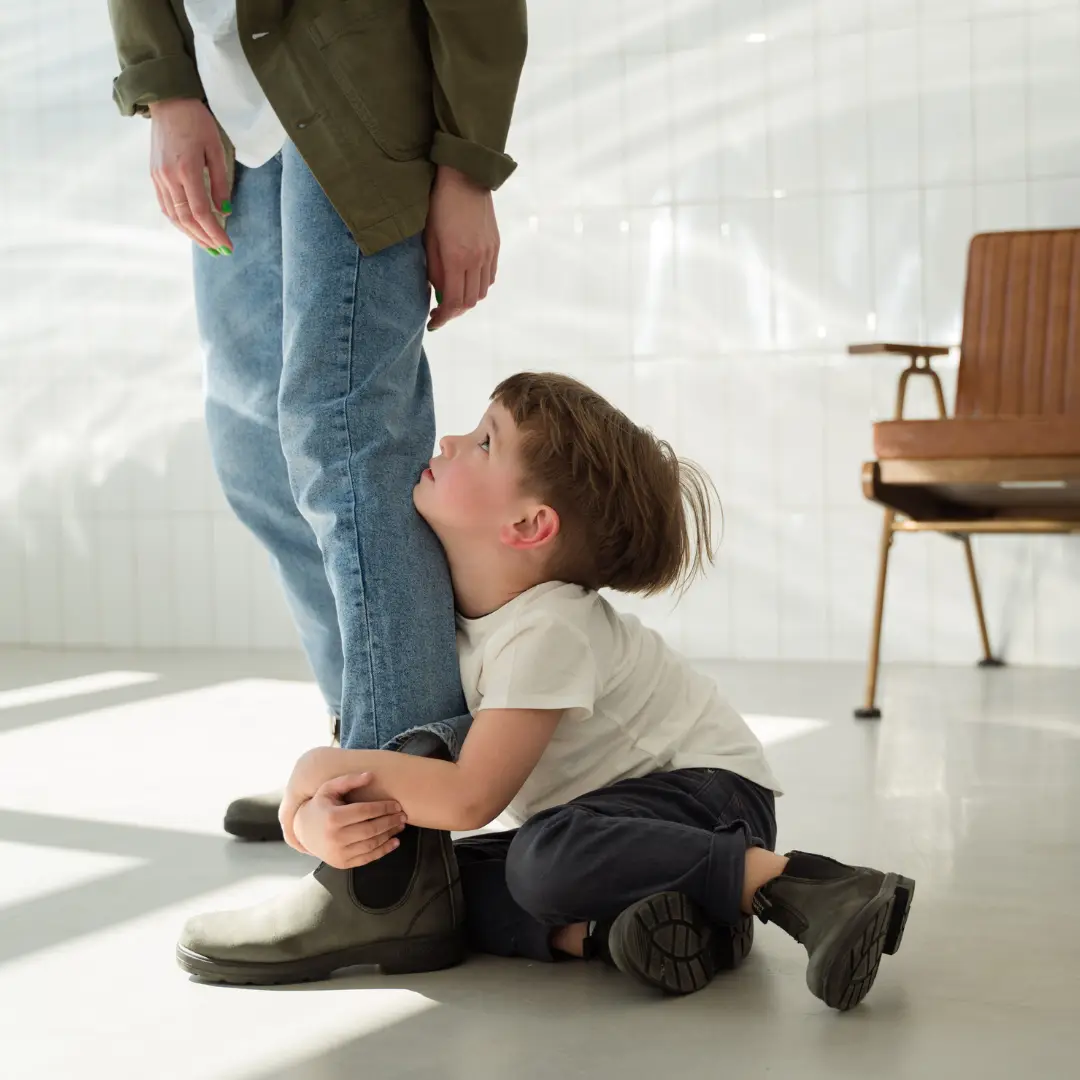
And yet, when we manage to stay calm, we become an anchor for our child. There's no need to explain much, or to persuade. In that moment, your child isn't looking for logic - they're looking for a sense of safety. Sometimes a calm presence, a soft tone, or a short phrase like "I'm here" is all it takes.
It's important to give the emotion time to pass. Trying to cut a tantrum short often triggers an even stronger reaction. When we let a child move through this experience, without leaving them alone, we're actually helping them learn how to find their way back to balance.
In our eagerness to help, we sometimes react in ways that unintentionally make things worse. Raising our voice, threats or punishment don't teach a child how to handle their emotions. They just add more tension to what's already there.
At the other extreme is ignoring it completely. When a child is caught up in a strong emotion, what they need isn't distance, but presence. The balance between these two extremes is simply being there - calm, steady and clear, without getting drawn into the escalation.
How to reduce tantrums in everyday life
While we can't avoid these moments altogether, we can create conditions that make them rarer. Children feel calmer when the world around them is predictable. A routine, clear boundaries and small heads-up warnings before a change all help a child prepare and ease the tension.
Feeling connected matters just as much. When a child gets attention, and has moments of play and closeness, the need to express emotion through outbursts decreases. Not because the problems disappear, but because the child feels more secure.
Is it normal for a child to have tantrums every day?
Yes, especially at a young age. It's part of the process of learning to manage emotions.
What should I do if it happens in public?
Try to stay calm and, if you can, move to a quieter spot. The most important thing is not to let outside pressure get to you.
Should I punish my child?
No. A tantrum isn't conscious behaviour that a child has full control over.
How long does this phase last?
It varies from child to child, but it usually eases as speech and self-regulation skills develop.
A tantrum isn't stubbornness. It's part of the process of a child learning to be human - to feel, to experience and gradually to understand their own emotions. When we manage to look at these moments with more understanding, we're not only helping our child, we're also building a deeper connection with them.
Next time a tantrum happens, don't rush to stop it. Try to just stay. Sometimes that's the most important thing your child needs from you.
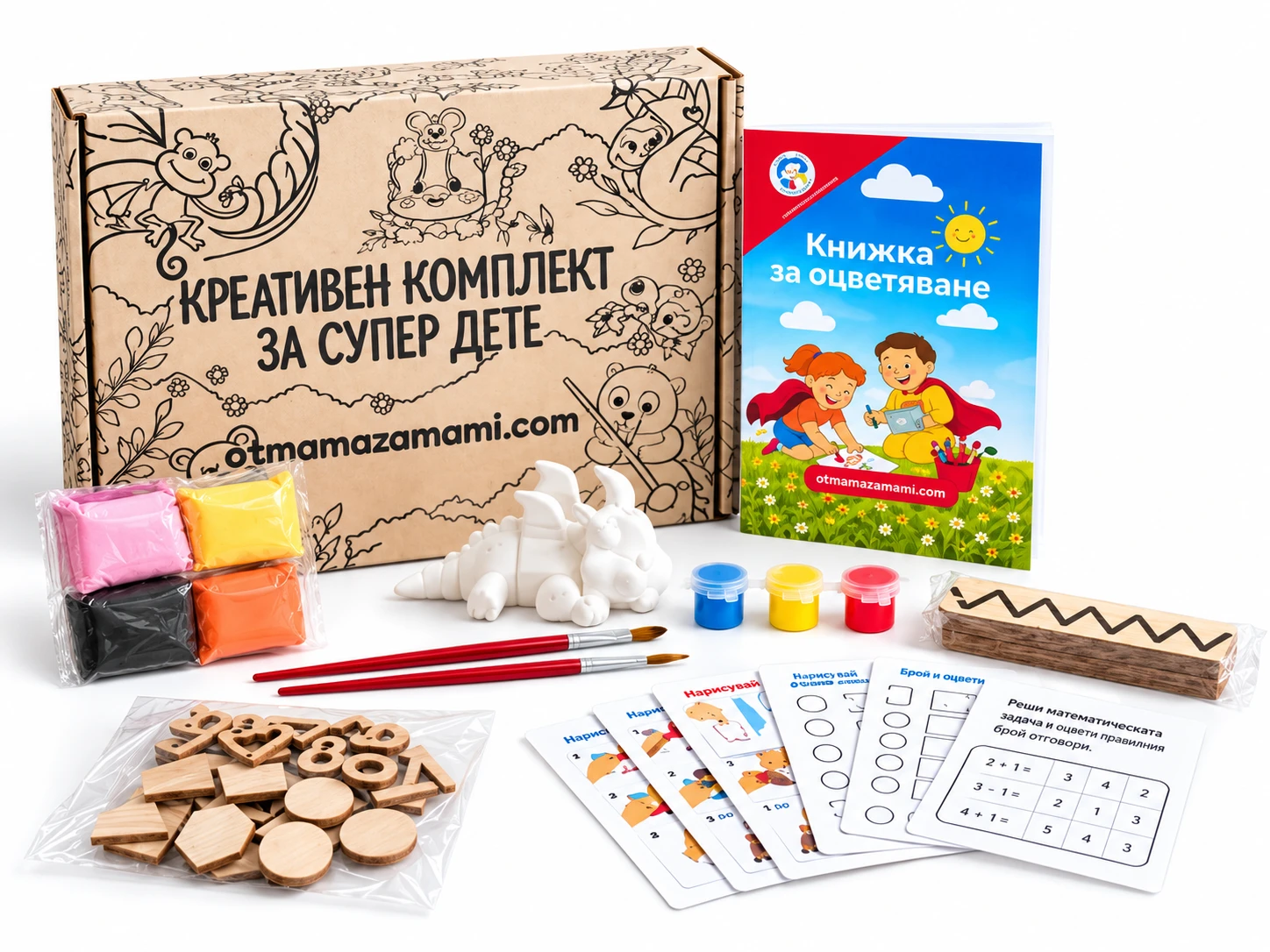
See how you can support your child's development: https://otmamazamami.com/komplekti/