








Fussy Eaters SOS: Practical Guidance and Real Solutions for Healthy Eating
5 min read От Мама За Мами

Almost every parent faces a moment when their child refuses to eat. Sometimes it is a passing phase, but at other times it turns into a daily routine full of tension, cajoling and worry about whether your child is getting everything they need.
Fussy eating isn't a parenting failure, nor is it "bad behaviour" on your child's part. In most cases, it's a natural stage that many children go through. The key isn't to fight it, but to understand it and approach it in a way that builds calm and trust around mealtimes.

What does it mean when a child is a "fussy eater"?
When we talk about fussy eating, we often picture a child who "won't eat" at all. In reality, most fussy eaters do get enough food, but their choices are limited. They stick to familiar flavours, refuse new foods, or lose interest in meals they used to enjoy.
This behaviour isn't random. In the early years, children start building their independence, and food becomes one of the first areas where they can exercise control. That's exactly why refusing food is often part of normal development.
Why does fussy eating happen?
Stubbornness is rarely what's behind a child refusing food. Much more often, the cause is a combination of development, emotions and environment.
Between the ages of one and three, children start to realise they have choices. This naturally leads to testing boundaries, including at mealtimes. On top of that comes what's known as food neophobia, a wariness of new foods that makes children stick to what's familiar and safe.
Sometimes, without realising it, we as parents contribute to the problem too. When we start insisting, persuading or worrying too much, mealtimes gradually turn into a tense situation, and children pick up on that very quickly.
How to help a fussy eater without the stress
One of the most important principles is to change our role. A parent shouldn't "make" a child eat, but should create conditions where mealtimes are calm and predictable.
When food is offered without pressure, children gradually relax and start showing interest. It doesn't happen overnight, but it works in the long run.
It's also important to accept that new flavours take time. A child might refuse a food ten times before deciding to try it. That's not a failure, it's part of the process of getting used to something new.
Small tricks that make a big difference
Sometimes it's not the menu that needs to change, but the way food is presented. A colourful plate, food arranged in a fun way, or letting your child help prepare a meal can significantly boost their interest.
Getting children involved in the kitchen often has a surprising effect. Even the smallest tasks, like washing vegetables or stirring a bowl, create a sense of involvement and curiosity about food.
Having a routine matters just as much. When meals happen at roughly the same time each day, the body naturally builds a sense of hunger, which reduces the need for persuading.
As much as we want to help, some reactions can actually make things worse. Chasing a child around with a spoon or turning on the television to get them to eat teaches them to ignore their own body's signals.
The same goes for offering an alternative straight after a refusal. That teaches your child that waiting a little will get them something they'd prefer instead.
Real change happens when mealtimes are freed from tension and simply become part of everyday life.
In most cases, fussy eating is a temporary phase. But if your child starts refusing entire food groups, isn't gaining weight, or mealtimes become a constant source of stress, it's worth seeking advice from a specialist.
Getting support early can bring peace of mind and a clear direction for how to approach things.
Is it normal for a child to eat the same foods over and over?
Yes, it's very common. Children go through phases where they prefer a limited range of foods. This gradually changes over time.
How can I get my child to try a new food?
The best approach isn't to force it, but to give your child the chance to see the food and get used to it. Curiosity builds gradually.
Should I worry if my child eats very little?
If your child is active, growing well and has energy, there's usually nothing to worry about. It's important to look at overall development, not individual meals.
How long does it take to overcome fussy eating?
There's no set timeline. For some children it takes months, for others it takes longer. What matters most is a consistent, calm approach.
Fussy eating isn't a battle to be won, but a process to be understood. When we replace tension with patience and control with trust, mealtimes gradually become something natural and calm.
The most valuable outcome isn't simply getting your child to clear their plate, but helping them build a healthy relationship with food, free from fear and pressure, and with a sense of security.
Start today with one small change: a calm atmosphere at the table. Sometimes that's the first and most important step.

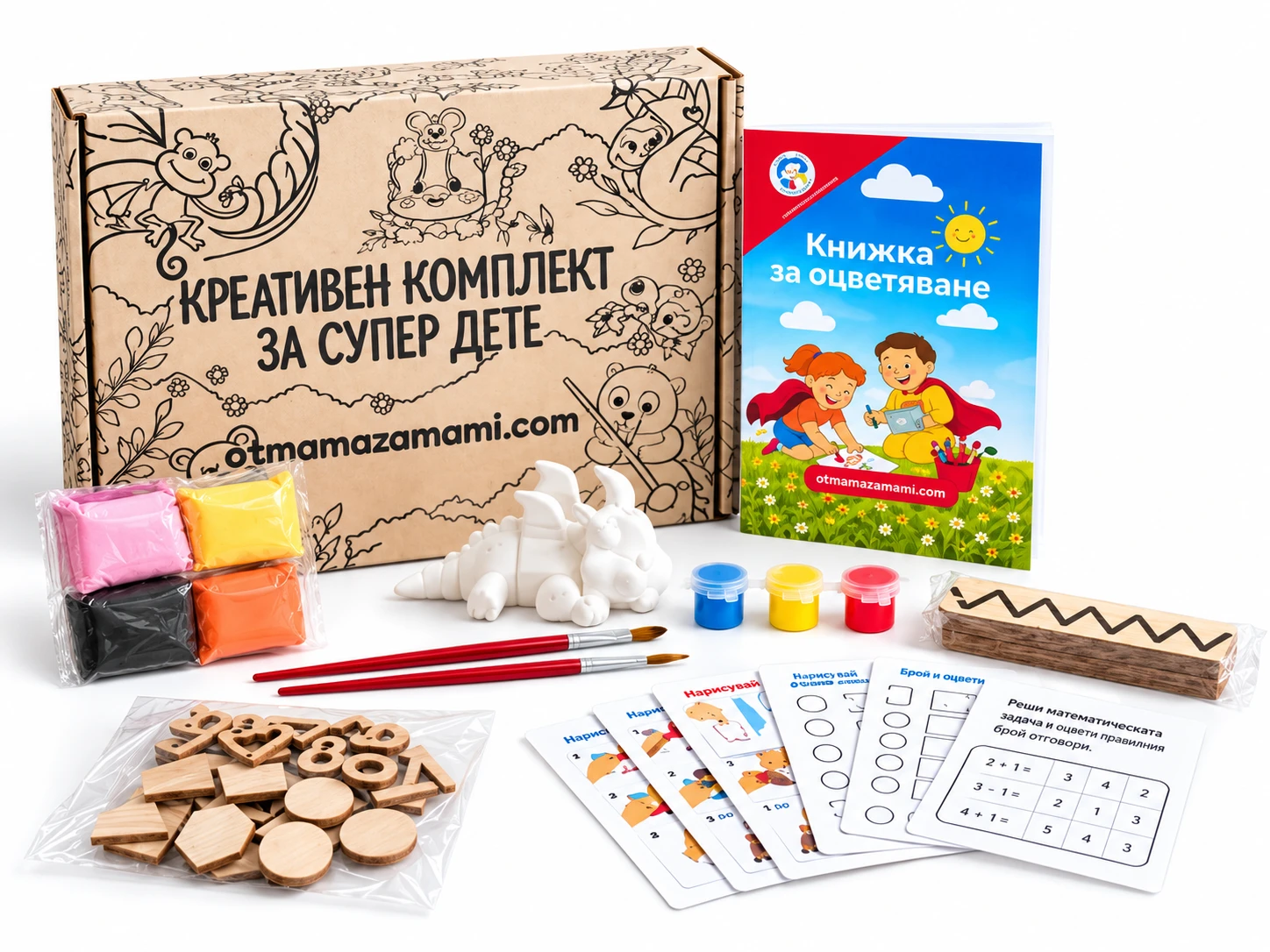
See how you can support your child's development: https://otmamazamami.com/komplekti/