







The 'Inner Child': What It Means and How to Work Through It
4 min read От Мама За Мами
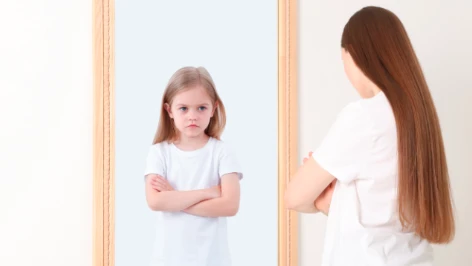
Everyone carries memories, emotions and experiences from childhood. Some are joyful, but others can leave deep marks. In psychology, the term "inner child" is often used to describe this part of us that holds onto our early emotions, needs and experiences.
Understanding our inner child can help us recognise why we react in certain ways during difficult moments, especially once we become parents. When we learn to take care of this part of ourselves, we often find more calm, understanding and compassion, both for ourselves and for our children.
What does "inner child" mean?
The term "inner child" is used in psychology to refer to the emotional part of our personality that carries the memories and experiences of childhood.
the need for love and attention
early fears and disappointments
the joy of play and curiosity about the world
When these needs were met, the inner child usually shows up as a feeling of trust and stability. But when we've been through difficult moments, this part of us can carry pain, insecurity or fear instead.
How childhood experiences shape the adult we become
Many of our reactions as adults are shaped back in our early years. The way we were supported, comforted or criticised can affect how we see ourselves and the world.
Some people, for example, experience:
difficulty expressing emotions
a tendency toward self-criticism
These reactions are often linked to childhood experiences that continue to shape our behaviour.
How the inner child shapes parenting
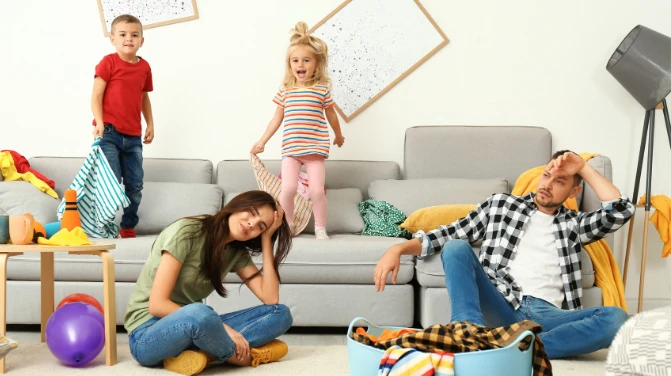
When we become parents, old emotional patterns can sometimes resurface. Situations with our own children can unexpectedly stir up memories or feelings from our own childhood.
a strong reaction to a child crying
feeling guilty for not being "good enough" parents
fear of repeating our own parents' mistakes
Becoming aware of these reactions is the first step toward calmer, more mindful parenting.
Techniques for connecting with your inner child
Working with your inner child doesn't mean constantly dwelling on the past, but understanding your emotions and needs better.
One simple technique is to write your thoughts down in a journal.
You could ask yourself questions like:
What made me feel happy as a child?
Which moments were difficult?
What did I feel was missing back then?
This exercise helps us recognise our experiences and look at them with more understanding.
Meditation and inner dialogue
Short moments of quiet and meditation can help us connect with our emotions.
Try picturing yourself as a child and asking:
How does this child feel?
How can I support them today?
This practice often creates a sense of acceptance and inner calm.
Sometimes the easiest way to connect with our inner child is through activities that bring us joy.
These moments remind us that play and joy don't belong to childhood alone.

How to respond when your child explodes with impatience
Impatience often turns into a meltdown. In that moment, your child isn't able to "listen".
"It's really hard for you to wait. I'm here."
These reactions increase the tension.
How parents influence patience
Children learn most from example.
Your child watches whether we
Patience is "passed on" through our behaviour.
When to expect real progress in patience
It's important to have realistic expectations.
2-3 years: very brief waiting
4 years: a few minutes, with support
5-6 years: longer waiting, with reminders
Every child develops at their own pace.
Is it normal for my child to not be able to wait at all?
Yes, especially under 4 years old.
Should I insist my child waits if they can't?
It's better to support them than to insist.
What should I do if my child always wants to go first?
That's normal. Taking turns is learned gradually.
Patience isn't taught through waiting, but through presence. When we stay by our child's side while things are hard, they gradually learn to hold on, regulate their emotions and trust that their needs won't be forgotten.
Start with small steps, brief waits and plenty of understanding.
That's the path to real patience.
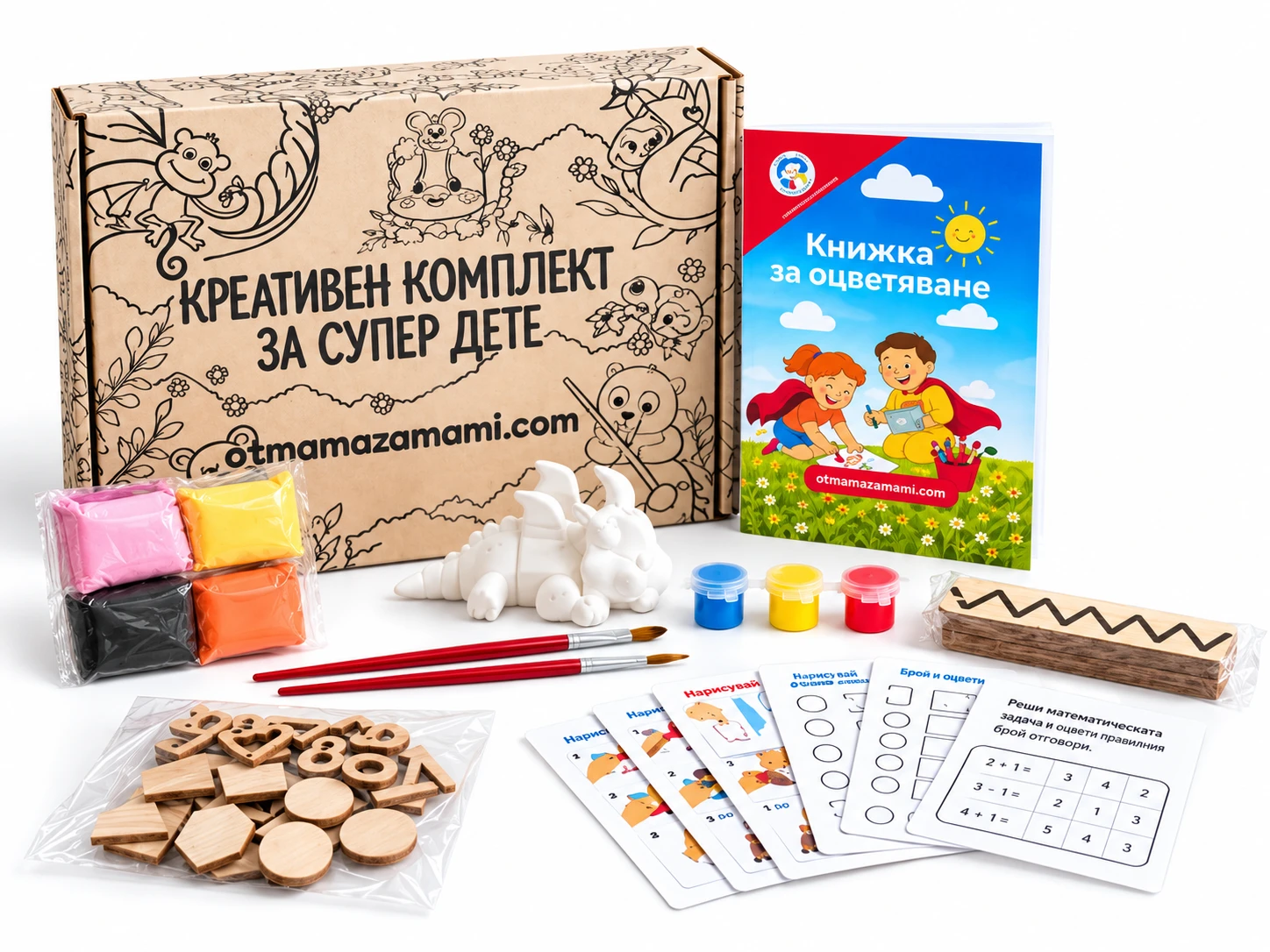
See how you can support your child's development: https://otmamazamami.com/komplekti/