




Baby Puts Everything in Their Mouth - Why This Actually Matters for Development
6 min read От Мама За Мами

Almost every parent notices an interesting pattern at some point, whether it's a toy, a book, a little hand, a spoon, or something totally unexpected like the remote control or a set of keys, sooner or later everything seems to head in one direction: straight into the mouth of your little explorer. If this is your first child, you've likely wondered at least once whether that's normal. Why does your baby constantly want to chew on things? Are they teething? Are they hungry? Or have they picked up a habit you need to stop?
The truth is, in most cases this behaviour isn't just normal, it plays a far more important role than you might think. In fact, putting objects in their mouth is a natural part of development and one of the ways babies start to get to know the world around them.
What's Actually Going On?
While adults take in the world mainly through sight, things work very differently for babies. They can't yet ask questions, can't analyse what they see, and can't work out what an object is just by looking at it. Their world is still falling into place, and every new thing is a small mystery waiting to be explored.
That's why the mouth plays a much bigger role in the first year than we often realise. The lips, tongue and gums are extremely sensitive and packed with receptors that send information straight to the brain. That means when your baby puts something in their mouth, they're not just chewing it for no reason. They're actually gathering information, trying to work out what's in front of them: whether it's soft or hard, smooth or rough, warm or cold, light or heavy.
What looks like a habit to us is a learning process for your baby. And although it seems like a small thing, these little experiences gradually build important connections in the brain. Your child starts telling different sensations apart, develops their senses, improves hand-eye coordination, and gathers information that will help them later on in many other areas of development.
Why Is This Stage So Important?
As parents, we sometimes see this behaviour as just a phase to wait out. But behind it are processes far more significant than they first appear.
In the first year, a baby's brain develops at an incredible pace. Every day they learn something new, build new connections, and start to make sense of the world bit by bit. When your child puts different objects in their mouth, they're not just playing. They're running small experiments and gathering information that helps their brain develop.
These seemingly ordinary actions support the development of fine motor skills, coordination, sensory awareness, and lay the groundwork for later skills like eating, talking and chewing. In fact, long before your baby says their first words, they're already training the muscles around their mouth through sucking, chewing and all kinds of movements.
That's exactly why it can help to see this stage not as a problem to be stopped, but as an important part of natural development.
What If It's Teething?
This is where things often get even more confusing. Between around the fourth and seventh month, many parents notice the urge to chew getting even stronger. Suddenly everything ends up in the mouth: toys, clothes, little hands, blankets, and sometimes even the edge of the cot.
It's only natural to wonder whether teething is behind it. And in many cases, it is. As the gums become more sensitive, pressure brings temporary relief, so babies naturally start looking for more things to chew on.
This stage often comes with other signs too: more drooling, a constant urge to put their hands in their mouth, irritability, or slightly more restless sleep.
It's worth remembering, though, that not all chewing means teething. Sometimes your child has simply entered a stage where this is how they explore the world.
When Should You Pay Closer Attention?
In most cases, there's no cause for concern. This behaviour is a normal part of development and gradually fades as your child grows and finds new ways to play and explore.
That said, there are situations worth paying closer attention to. For example, if your child keeps compulsively putting objects in their mouth well past the usual age, if it becomes their only way of playing, or if the behaviour seems unusually intense and comes with other unusual signs.
That doesn't necessarily mean there's a problem. It just means it can help to check in with a specialist for peace of mind.
How Can You Help Safely?
Instead of constantly trying to stop your child and repeating "Don't put that in your mouth," it's far more useful to safely channel their curiosity. You can offer teethers, textured toys, soft books, and other age-appropriate objects.
More important than stopping the exploring is making the environment safe. Small objects, coins, batteries, and anything that could be swallowed need to be kept well out of reach.
Because the goal isn't to shut down curiosity. It's to give it room to happen calmly and safely.
Is It Normal for a Baby to Constantly Put Their Hands in Their Mouth?
Yes. It's one of the earliest forms of self-exploration and self-soothing.
Does This Mean They're Teething?
Not always. It's sometimes related to teething, but very often it's simply a natural stage of development.
Should I Stop My Child Doing This?
Generally, no. It's more important to provide a safe environment and suitable objects.
How Long Does This Stage Last?
It's usually most pronounced between six months and eighteen months, but every child has their own pace.
Parenting sometimes puts us in situations that feel strange, confusing, or even worrying. But not every behaviour is a sign that something's wrong. Sometimes, behind a baby who puts everything in their mouth, there's simply a little person trying to understand the world around them in the only way they know how. And while to us it might just look like another soggy toy or teether lost under the sofa, to them it's an important step towards learning, growing, and getting to know the world.
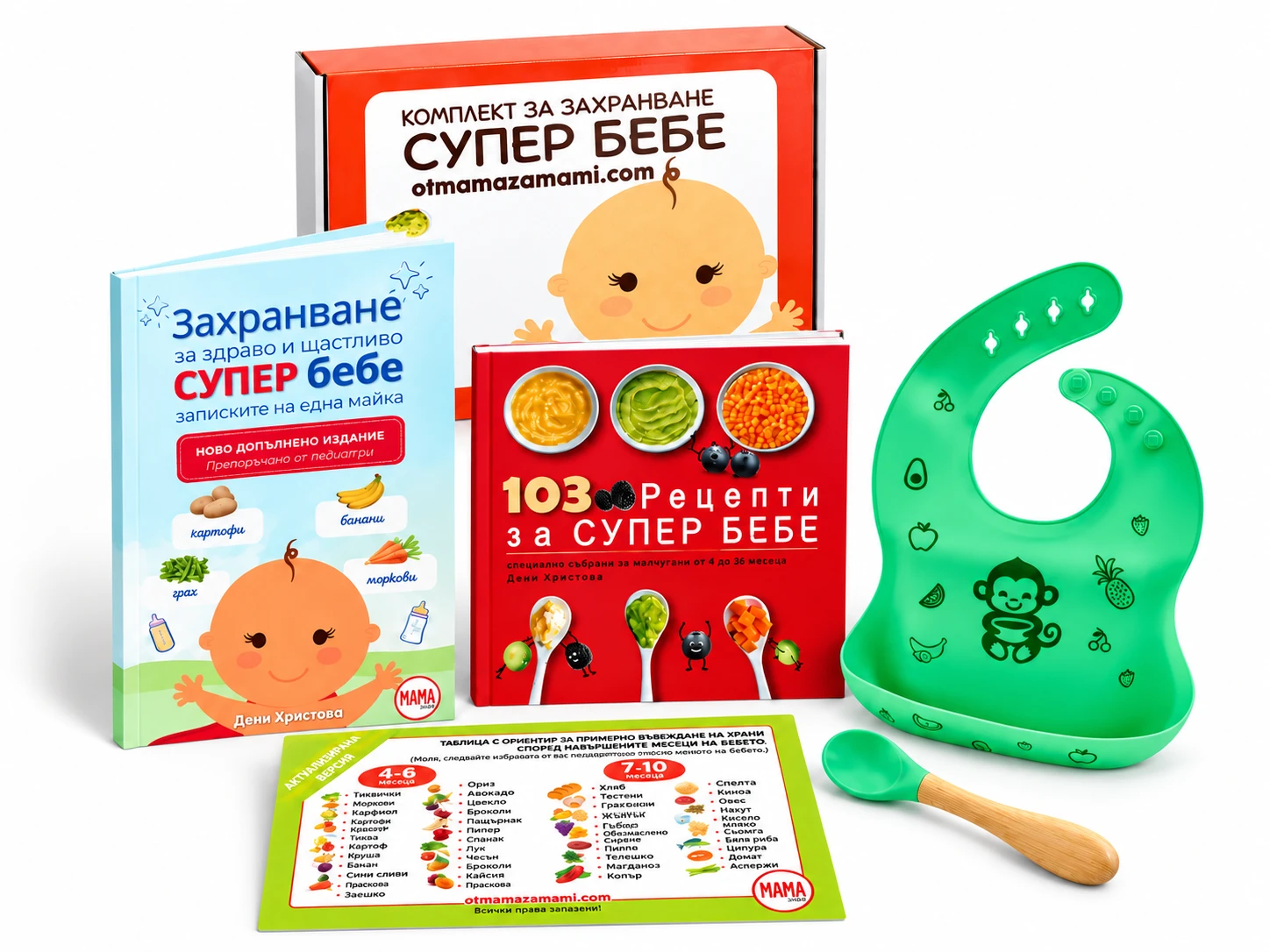
See how to support your child's development: https://otmamazamami.com/komplekti/