





When a Child Only Wants One Parent - What's Behind It and How to Respond
4 min read От Мама За Мами

"Not you! I only want Mummy/Daddy! Don't come!" Words that can pierce straight through the heart of the parent left standing on the sidelines. Sometimes they carry pain, sometimes helplessness, and often tension between the adults too. In moments like this, we start to wonder: "Am I doing something wrong? Why is my child acting this way with me?" The truth, though, is that this kind of behaviour is a completely natural and common part of emotional development in children between the ages of two and six. It isn't a sign of a problem in the relationship, but a phase that many families go through.
Children look for predictability and security, and they usually find it in the person they spend the most time with. That's typically the parent who's home more often: the one who puts them to bed, cuddles them, feeds them. Attachment is built through repetition and closeness, and it sometimes shows up as a firm "I only want Mummy." In these moments, it isn't about rejecting the other parent, it's about reaching for what feels familiar and safe in that instant. The child isn't saying "I don't love you." They're saying "I need something I already know, something that settles me."
Sometimes this pushback comes from inner tension too: a new environment, starting nursery, a new sibling, illness, or exhaustion. In these moments, the child is looking for a sense of control and a way to express their emotions. By choosing one parent, they're building their identity, testing their influence, exploring boundaries. And however hard it may be for the parent left in the background, it shouldn't be taken as a personal insult. Being rejected isn't a verdict on you. It's an invitation to stay patiently present.
The parent in the more "distant" role often feels sadness or guilt. But their job isn't to compete with the other parent. It's to stay available: quietly, calmly, consistently. Every hand offered, every invitation to play, every shared moment builds an invisible bridge. It helps to create rituals of your own: a bedtime story that's just from you, a morning coffee together with the child (even if theirs is mostly milk), a short walk, or a trip to the shops. Over time, these moments become the foundation of the bond.
The parent the child favours also has an important role to play. Rather than basking in (or being burdened by) their "special" status, they can make room for the other parent too: bringing their partner into games, saying "Daddy's going to read you a story now, you two are going to have such fun!", and stepping back with confidence, handing over the baton with trust. When a child senses that both adults are secure, calm and supportive, they no longer need to choose between them.

In time, children grow out of this phase. They start seeking out both parents, sometimes even at once. What matters is that, along the way, blame, comparisons and hurt don't build up between the adults. Remind yourselves that this isn't a competition, it's shared parenting. The child shouldn't feel guilty for their preferences. Neither parent should feel guilty either: not the one chosen more often, and not the one chosen less. Love isn't measured in minutes or cuddles, but in the sense of being there when you're needed.
There's room in every family for connection of different intensities and colours. With understanding, patience and tenderness, it will grow. And one day, the child will know: "Both Mummy and Daddy are here. I can be loved by both of them, in different but equally important ways."
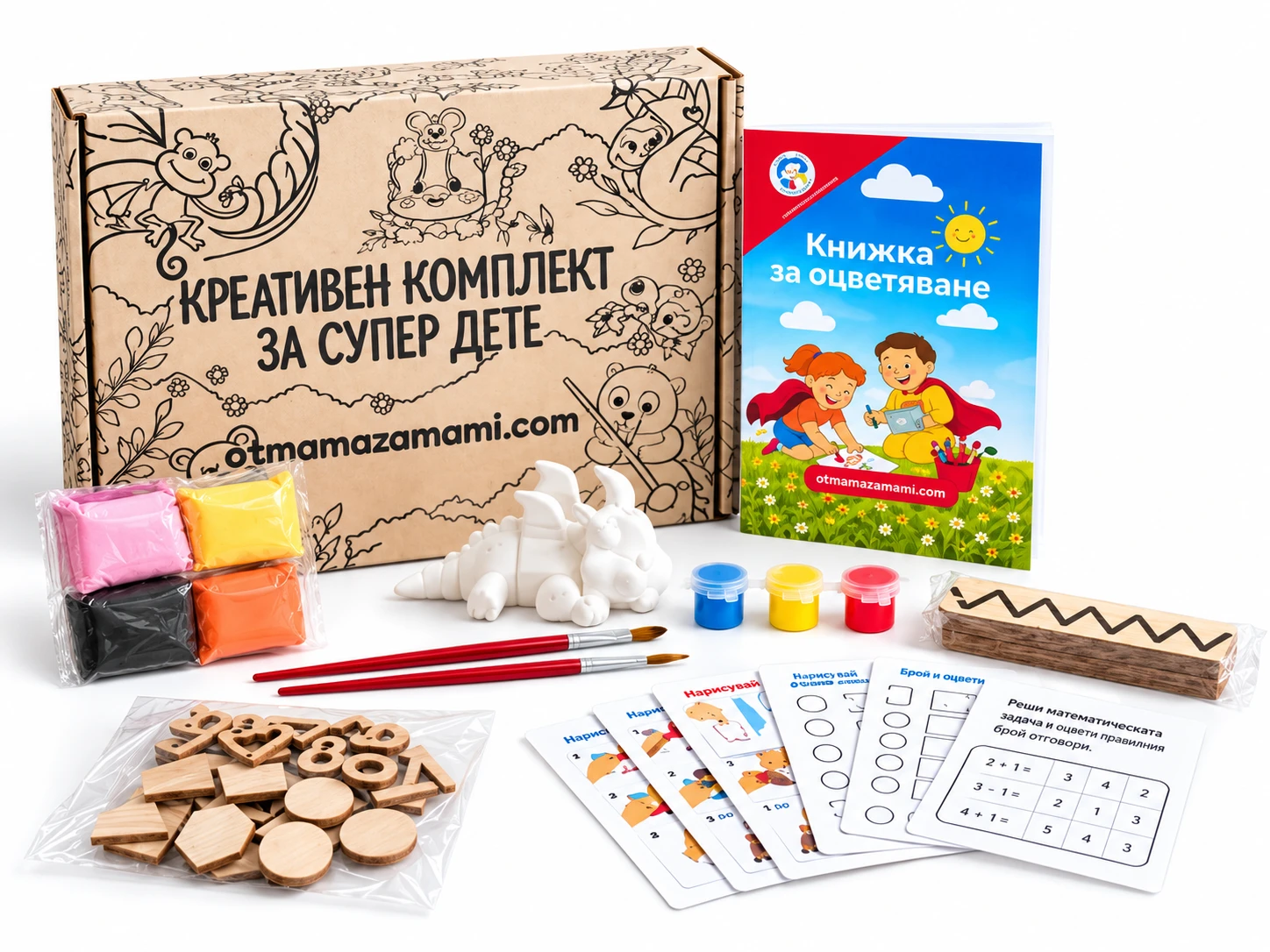
See how you can support your child's development: https://otmamazamami.com/komplekti/