






Winter Games and Activities to Play at Home with Young Children
4 min read От Мама За Мами
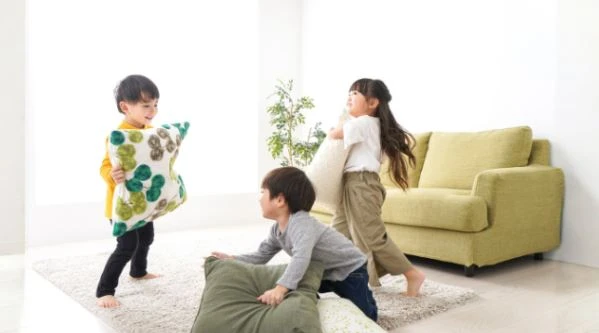
Winter brings cosiness and holiday magic, but also plenty of days when the weather just won't let you get outside. For young children that often means more energy, less movement, and a steady stream of "I'm booored." As parents, we need to get creative: not just to fill the time, but to come up with games that build thinking skills, fine motor control, emotional intelligence and imagination. The good news? You don't need expensive toys. Most of the best winter activities can be made with things you already have at home.
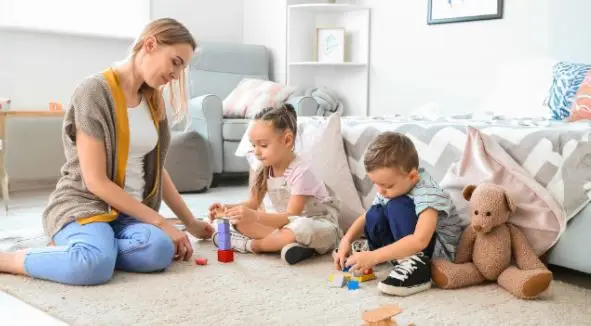
Why do winter games at home matter so much?
The cold months often mean less activity, more screen time and boredom. But games at home can change that.
developing logical thinking
building independence
improving motor skills
strengthening the emotional bond with parents
burning off energy in a fun way
Through play, children don't just have fun: they learn, grow and build skills that will serve them long after winter is over.
Active games for burning off energy
In cold weather, children miss out on movement. With a few simple ideas, you can turn your home into a mini playground.
Roll up white socks and have a "snowball" fight.
Children love this: it's safe, and it gets everyone laughing.
cushions to jump over
This helps children practise coordination, balance and strength.
Put on some winter music and play "Freeze Dance".
It develops:
Creative winter activities
Children love making things, and winter offers endless opportunities for beautiful, meaningful projects.
Painting with "ice paints"
Freeze water with a few drops of paint to make "ice paints" for your child.
They paint with them while watching the ice melt: a great little science lesson.
Cut out a mitten template for your child to decorate with:
This builds fine motor skills and creativity.
small figures (trees, snowmen)
Children play, pour and bury things in it: it's calming and stimulates the senses.
Games that build thinking and speech
Winter is a great time for cognitive games: quiet activities that give the brain a workout.
Sorting by colour or shape
Children sort items into bowls: this builds logic and concentration.
Choose larger pieces for the youngest children.
"Which animal sleeps through winter?"
Show pictures of a bear, a hedgehog, a squirrel and other animals.
Your child has to point out which ones hibernate.
Calm winter activities for before bed
Evening games should calm children down, not wind them up. Here are a few ideas.
books with winter illustrations
This builds language and imagination.
Colouring winter pictures
Colouring is soothing for children and parents alike.
A cosy "winter campout" in the living room
It turns the evening into a little adventure.
Games that strengthen the family bond
Winter is the perfect time to connect as a family.
Children love playing pretend:
Mum and Dad can join in as the audience or as fellow actors.
Homemade "snowflakes"
Cutting snowflakes out of paper: a simple activity that still feels magical.
Children can help with mixing, decorating and, of course, tasting.
How do I keep my child engaged if they get bored quickly?
Alternate active games with calm ones. Young children have short attention spans: that's completely normal.
At what age can children play independently?
Genuine independent play tends to start around age two or three, though still with you nearby.
Is it dangerous to use small objects in these activities?
For children under 3, yes: avoid small parts that could be a choking hazard.
How many games should we play a day?
As many as your child needs. There's no "right" number.
Winter activities at home aren't just a way to pass the time.
They create memories, teach children new skills and strengthen the bond between parent and child.
You don't need expensive supplies.
All you need is:
time, imagination and a willingness to be together.
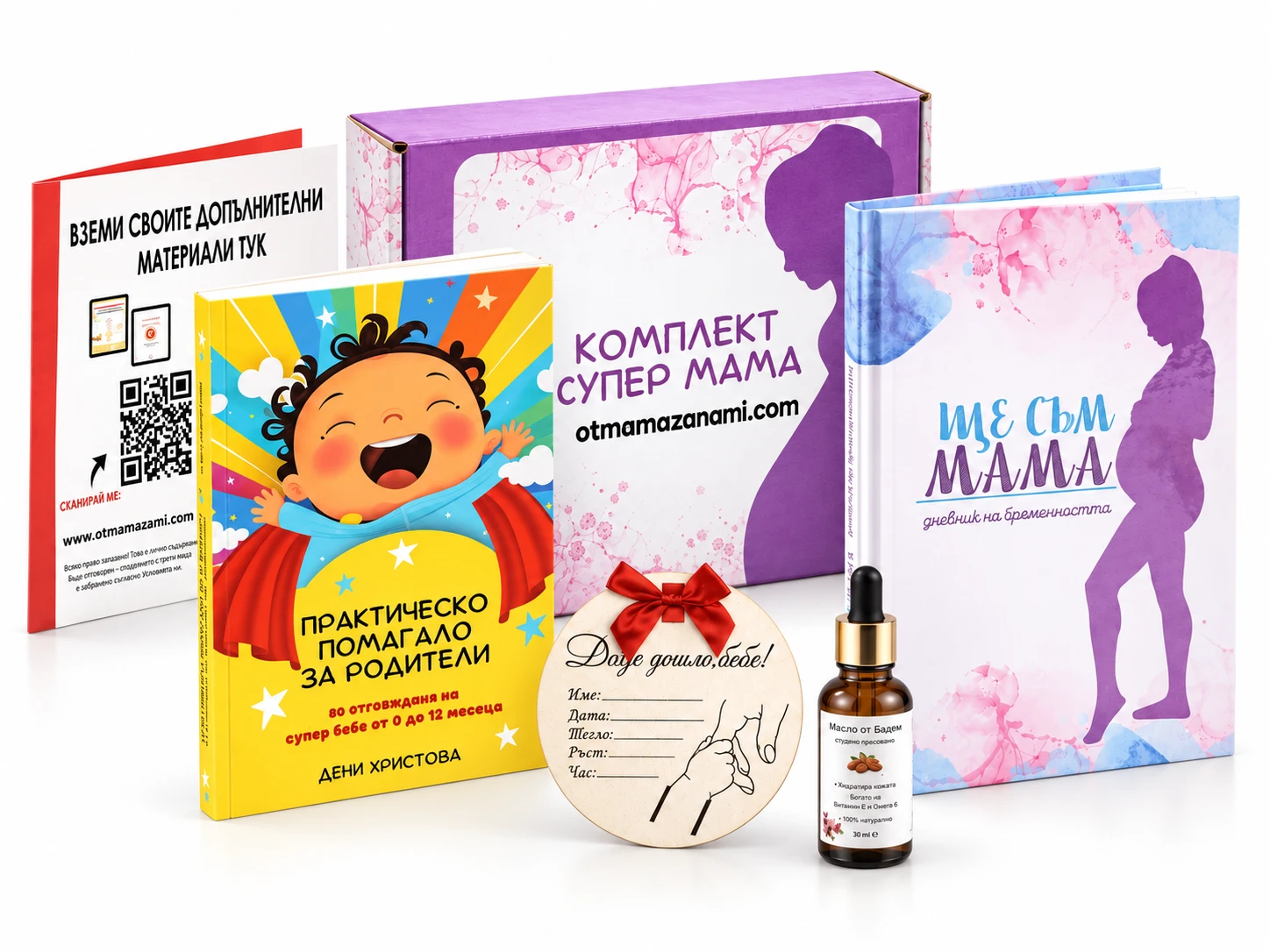
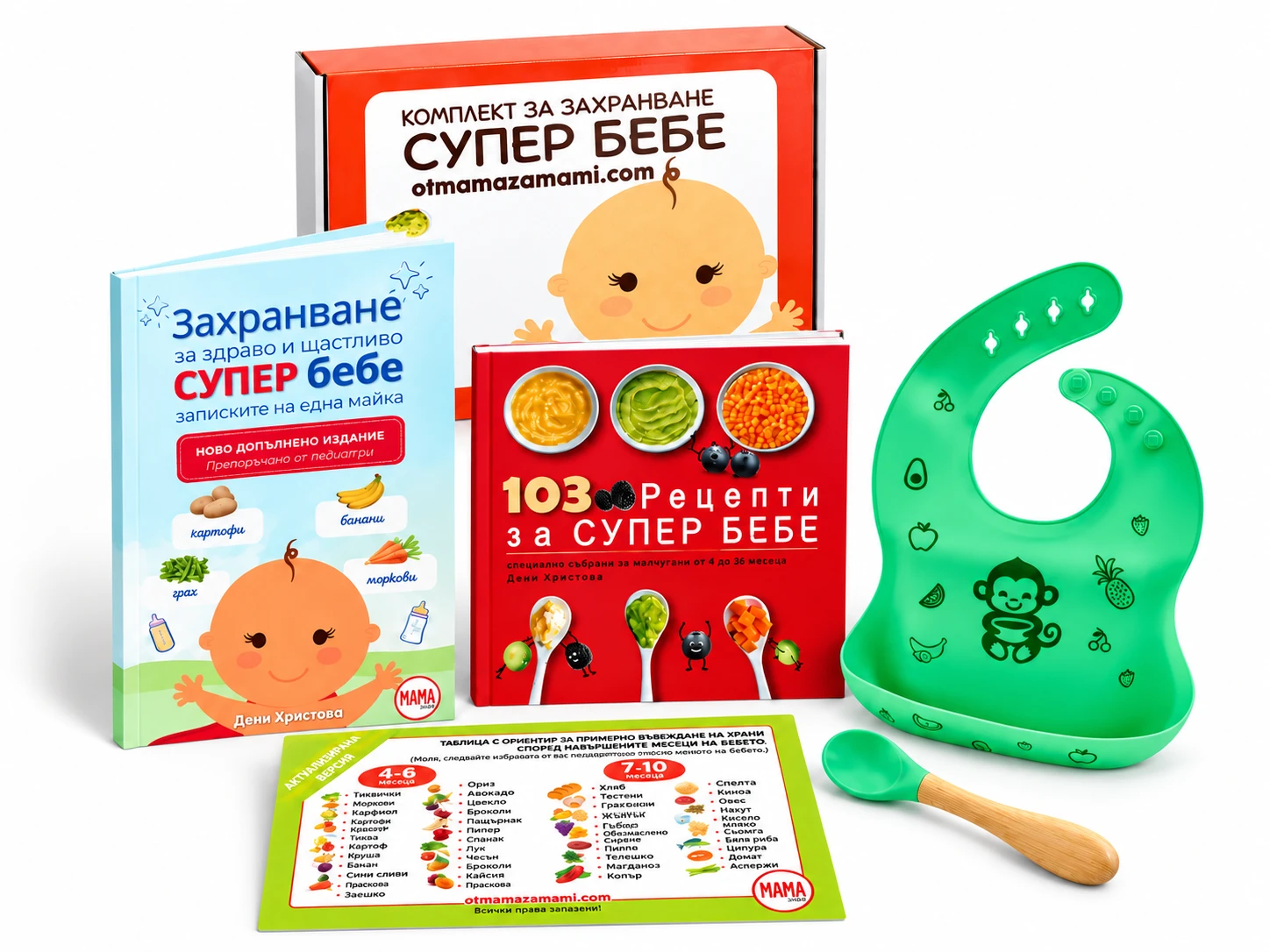
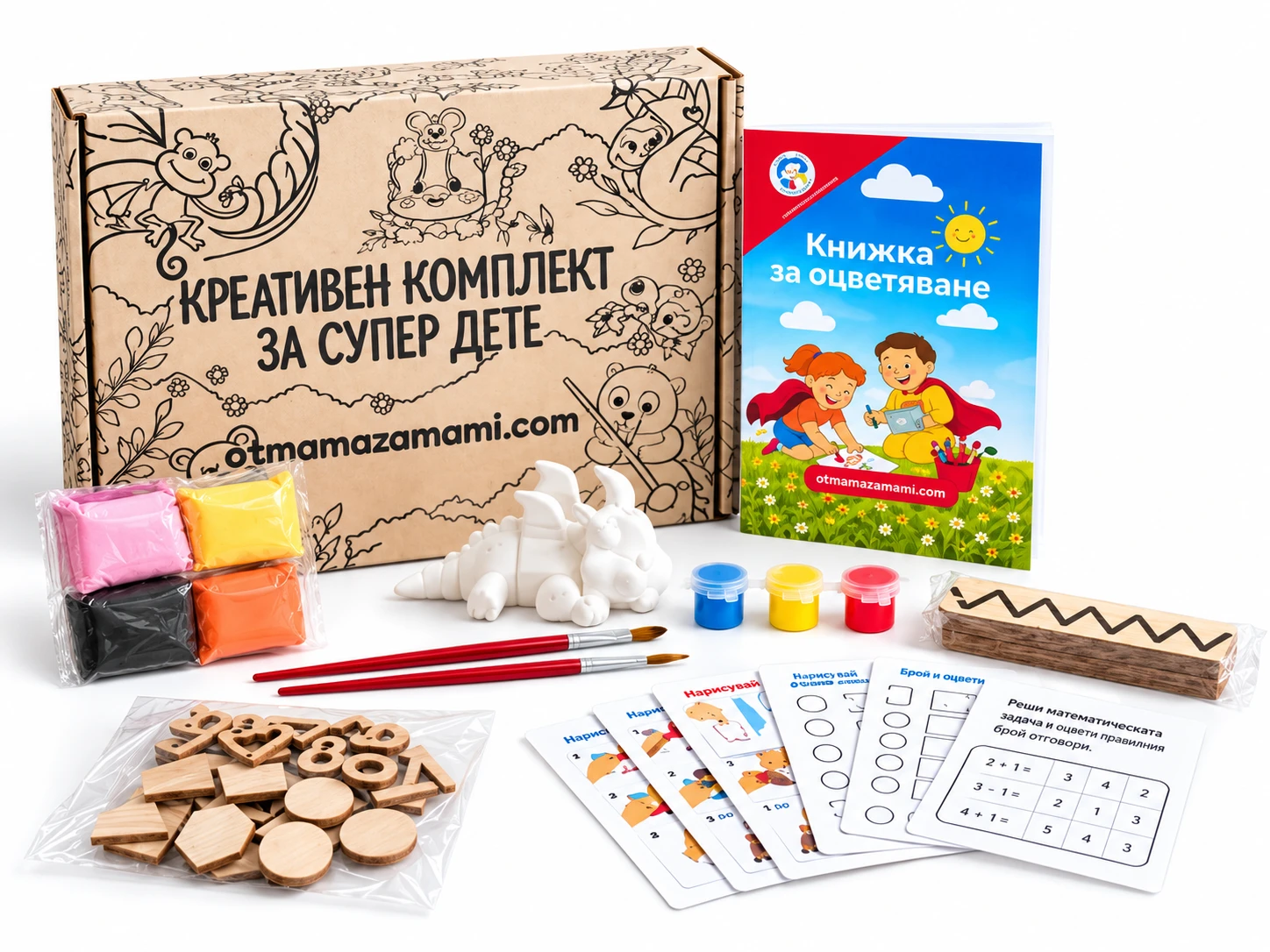
See how you can support your child's development: https://otmamazamami.com/komplekti/