







"Tantrums Aren't Stubbornness" - What's Really Behind Your Child's Meltdowns
5 min read От Мама За Мами

There are moments in parenting that throw us completely off balance. Your child cries, screams, throws themselves on the floor, and you stand there wondering exactly what's going on and how to respond. In these moments, it's easy to think your child is being stubborn, "testing" you, or simply refusing to listen. The truth, though, is far deeper and far more human.
A tantrum isn't behaviour your child consciously chooses. It's an expression of something they can't put into words. And when we start seeing these moments not as a problem to stop but as a signal to understand, it changes not just our reaction, but the whole dynamic between us and our child.
What is a tantrum, and why does it happen?
Tantrums are a natural part of early childhood development and appear most often between the ages of one and four. This is a period when children start to feel their desires strongly, but don't yet have the skills to express or regulate them. They feel emotions at full force, joy, anger, frustration, but don't know what to do with them.
When the tension becomes too much, it simply comes out. Crying, shouting, throwing things or dropping to the floor isn't an attempt to control the situation, it's the body's way of releasing that tension. This is important to understand, because it completely changes how we see the behaviour.
Your child isn't having a tantrum "to get something". They're having a tantrum because, at that moment, they have no other way to cope.
When we call this behaviour "stubbornness", we assign it intention, as if the child is deliberately deciding to act this way to oppose us or impose their will. This automatically triggers a response from us where we try to "win" the situation, through control, insistence or punishment.
In reality, though, during a tantrum your child isn't able to control their behaviour. They're overwhelmed by such a powerful emotion that logic has no place at all. This is a state adults sometimes experience too, but we have more tools to find our way back to calm. Children are still building theirs.
This shift in perspective is enormously important. When we stop seeing a tantrum as stubbornness and start seeing it as a need, our response changes too. We move from fighting to supporting.
How to respond during a tantrum
In the middle of a tantrum, the most important thing your child needs to find is calm. Not a perfect reaction, not the exact right words, but the presence of an adult who stays steady even when things are difficult. This isn't always easy, because these moments often stir up our own emotions too, irritation, helplessness, sometimes even anger.
And yet, when we manage to stay calm, we become an anchor for our child. There's no need to explain much, or to persuade. In that moment your child isn't looking for logic, but for a sense of safety. Sometimes a calm presence, a gentle tone or a short phrase like "I'm here" is more than enough.
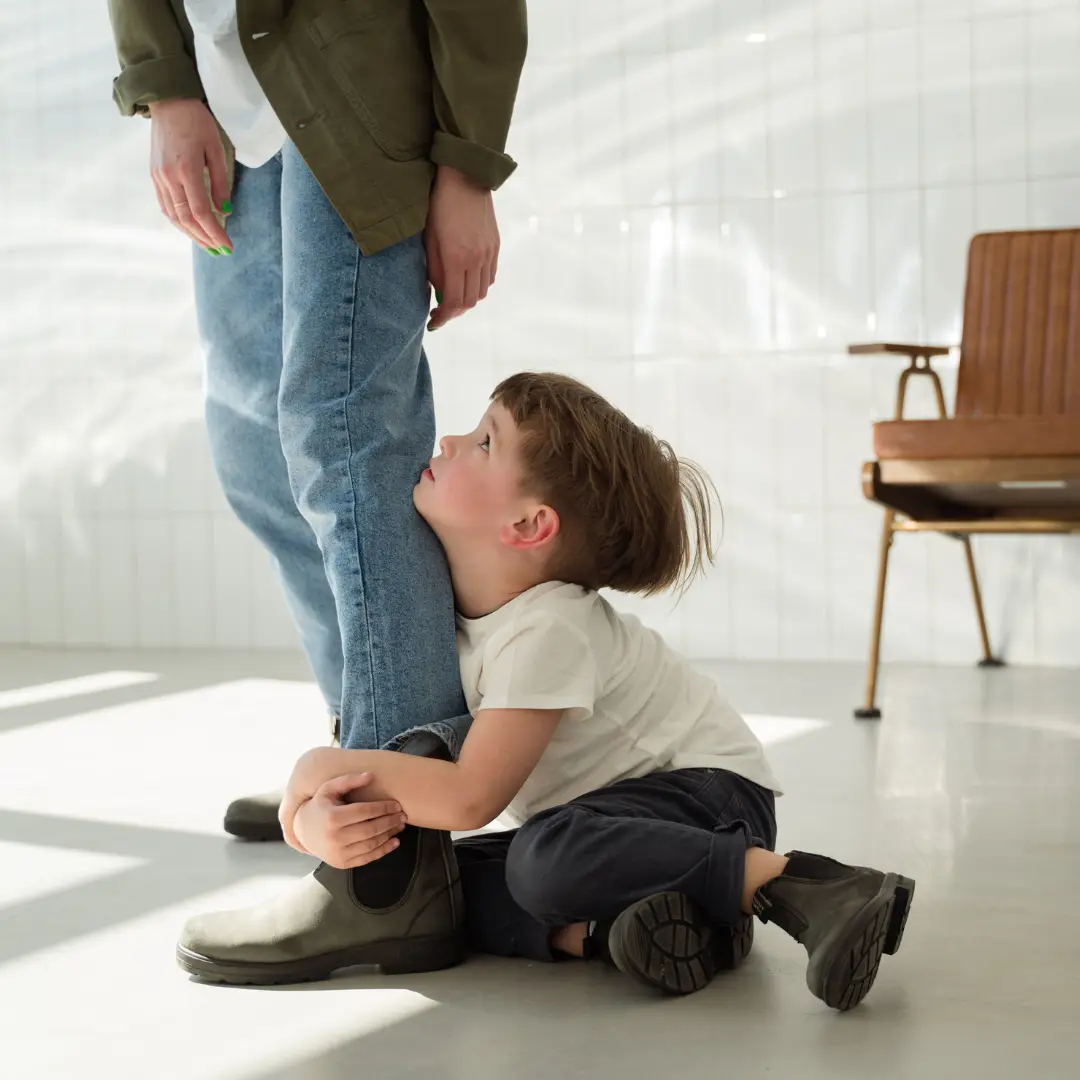
It's important to give the emotion time to pass. Trying to cut a tantrum short often leads to an even stronger reaction. When we let our child go through this experience without leaving them alone, we're actually helping them learn how to find their way back to balance.
In our wish to help, we sometimes react in ways that unintentionally make things worse. Raising our voice, threats or punishment don't teach a child how to cope with their emotions. They simply add more tension to what's already there.
At the other extreme is ignoring it completely. When your child is in the grip of a strong emotion, they don't need distance, they need presence. The balance between these two extremes is being there, calm, steady and clear, without getting drawn into the escalation.
How to reduce tantrums day to day
While we can't avoid these moments entirely, we can create conditions that make them less frequent. Children feel calmer when the world around them is predictable. A routine, clear boundaries and a little warning before a change all help your child prepare and ease the tension.
Feeling connected matters just as much. When a child gets attention, and has moments of play and closeness, the need to express emotions through outbursts lessens. Not because the underlying feelings disappear, but because the child feels safer.
Is it normal for a child to have tantrums every day?
Yes, especially at a young age. It's part of the process of learning to manage emotions.
What should I do if it happens in public?
Try to stay calm and, if you can, move somewhere quieter. The most important thing is not to let outside pressure get to you.
Should I punish my child?
No. A tantrum isn't behaviour your child fully, consciously controls.
How long does this phase last?
It varies from child to child, but it usually eases as speech and self-regulation skills develop.
A tantrum isn't stubbornness. It's part of the process of learning to be human, to feel, to experience and gradually to understand your own emotions. When we can look at these moments with more understanding, we not only help our child, we build a deeper connection with them.
Next time a tantrum happens, don't rush to stop it. Try to stay. Sometimes that's the most important thing your child needs.
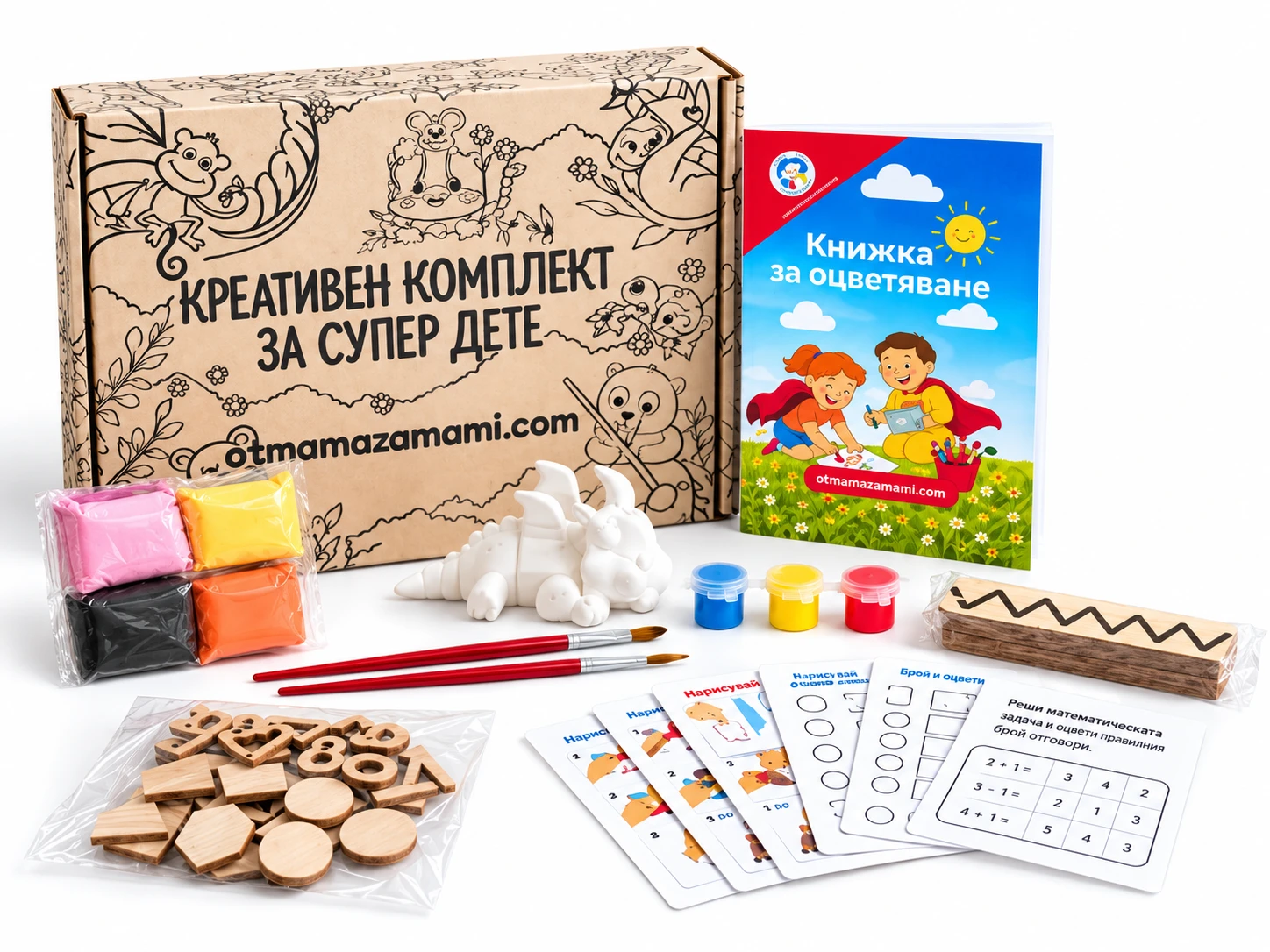
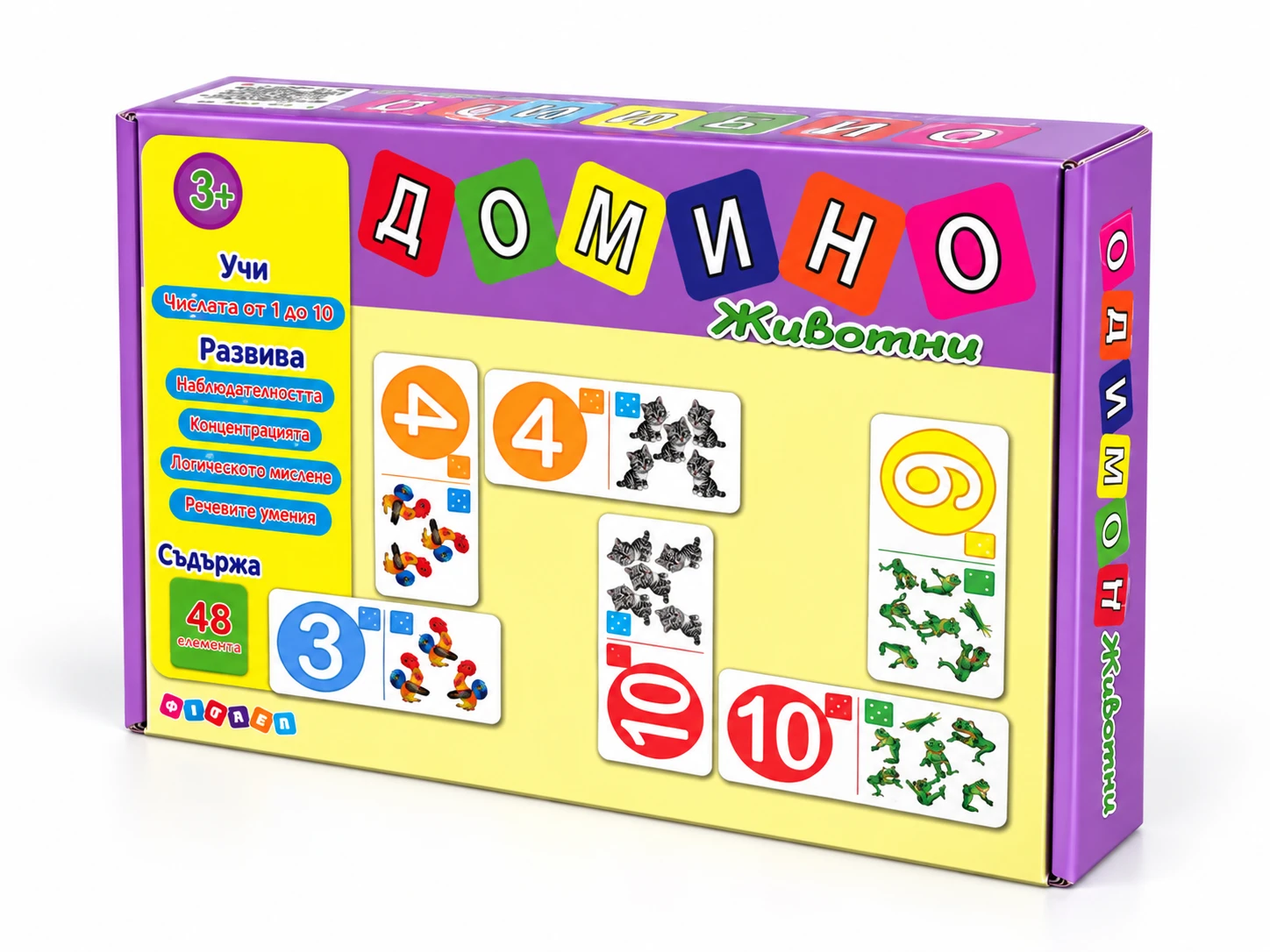
See how you can support your child's development: https://otmamazamami.com/komplekti/