





The "Inner Child" - What It Means and How to Work With It
4 min read От Мама За Мами
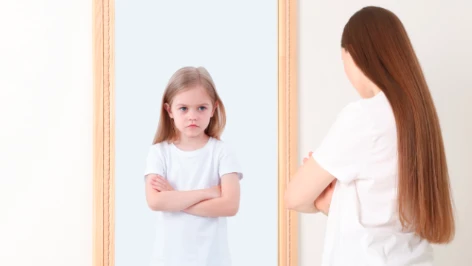
We all carry memories, emotions and experiences from childhood within us. Some are happy ones, but others can leave deep marks. The term "inner child" is often used to describe this part of us that holds onto our earliest emotions, needs and experiences.
Understanding our inner child can help us see why we react the way we do in difficult situations, especially once we become parents. When we learn to look after this part of ourselves, we often find more calm, understanding and compassion, both for ourselves and for our children.
What does "inner child" mean?
The term "inner child" describes the emotional part of our personality that carries the memories and experiences of childhood.
the need for love and attention
early fears and disappointments
the joy of play and curiosity about the world
When these needs were met, the inner child usually shows up as a feeling of trust and stability. But when we've been through difficult moments, this part of us can carry sadness, insecurity or fear instead.
How childhood experiences shape the adult we become
Many of our reactions as adults are shaped in our earliest years. The way we were supported, comforted or criticised can affect how we see ourselves and the world around us.
Some people, for example, experience:
difficulty expressing their emotions
a tendency towards self-criticism
These reactions are often linked to childhood experiences that continue to shape our behaviour.
How the inner child affects parenting
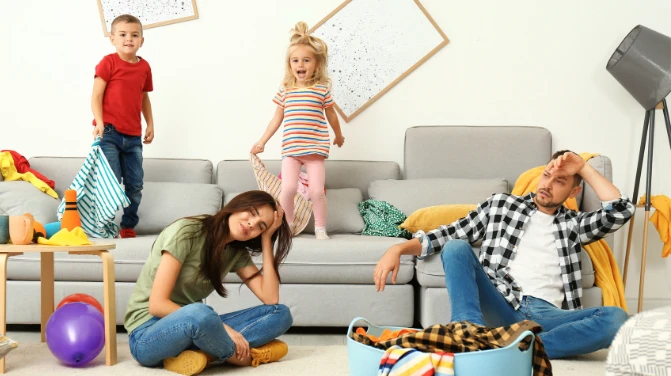
When we become parents, old emotional patterns can sometimes resurface. Situations with our own child can unexpectedly stir up memories or feelings from our own childhood.
a strong reaction to a child's crying
a feeling of guilt at not being a "good enough" parent
fear of repeating our own parents' mistakes
Recognising these reactions is the first step towards calmer, more mindful parenting.
Techniques for connecting with your inner child
Working with your inner child doesn't mean constantly dwelling on the past. It means understanding your emotions and needs better.
One simple technique is to write your thoughts down in a journal.
You could ask yourself questions like:
What made me feel happy as a child?
Which moments were difficult?
What did I feel was missing at the time?
This exercise helps us make sense of our experiences and look at them with more understanding.
Meditation and inner dialogue
Short moments of quiet and meditation can help us connect with our emotions.
Try picturing yourself as a child and asking:
How is this child feeling?
How can I support them today?
This practice often brings a sense of acceptance and inner calm.
Sometimes the easiest way to connect with your inner child is through activities that simply bring you joy.
These moments remind us that play and joy don't belong to childhood alone.

How to respond when your child has an outburst of impatience
Impatience often turns into a tantrum. At that moment, your child isn't able to "listen".
"It's really hard for you to wait. I'm here."
These reactions only increase the tension.
How parents shape patience
Children learn most of all by example.
Your child watches whether we
Patience is "passed on" through our own behaviour.
When to expect real progress in patience
It's important to have realistic expectations.
2-3 years: very brief waiting
4 years: a few minutes, with support
5-6 years: longer waiting, with reminders
Every child develops at their own pace.
Is it normal for my child to not be able to wait at all?
Yes, especially under 4 years old.
Should I insist they wait if they can't?
It's better to offer support than to insist.
What should I do if my child always wants to go first?
That's normal. Taking turns is learned gradually.
Patience isn't taught by waiting, but by presence. When we stay close to our child while things are hard, they gradually learn to hold on, to regulate their emotions and to trust that their needs won't be forgotten.
Start with small steps, short waits and plenty of understanding.
That's the path to real patience.
See how you can support your child's development: https://otmamazamami.com/komplekti/