








How to Build Patience in Young Children (and Why It's Not Taught by Waiting)
3 min read От Мама За Мами

"Wait a minute."
"In a bit."
"Not now."
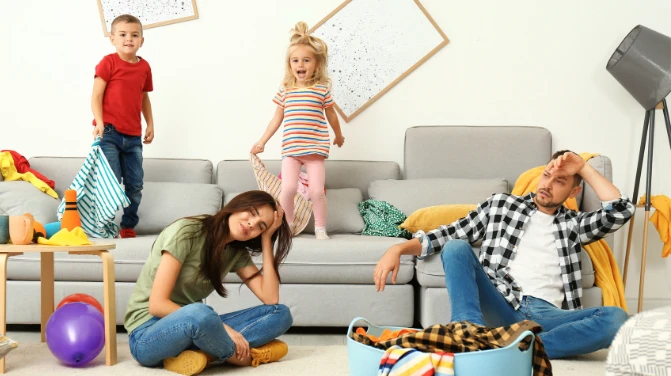
These words often trigger a storm: crying, tantrums, anger. Many parents wonder why their child is so impatient and whether they're doing something wrong. The truth is that patience isn't a skill children are born with. It develops gradually, alongside growing up and with an adult's support. So our goal isn't simply to make a child wait, but to help them cope with waiting without feeling lost and helpless.
Why patience is so hard for young children
A young child doesn't yet know how to control themselves the way we do. The ability to wait and to hold back their first impulse comes gradually, and takes years.
What a child goes through when they have to wait
a strong impulse of "I want it now"
no real sense of time
fear that their wish won't be granted
For a child, "in a bit" often means "never".
How impatience shows up day to day
Impatience rarely comes on its own. It shows up through behaviour.
This isn't bad upbringing, but a sign that the child doesn't yet have the inner resources they need.
Why "just let them wait" doesn't work
We often expect children to learn patience if we simply make them wait. But without support, waiting is empty and frightening.
how to cope with frustration
what to do while they wait
They're simply left alone with the intensity of the emotion.
How to build patience step by step
1. Start with very brief waits
Patience is trained in small doses.
The time gradually increases, but always in line with your child's age.
2. Name what's happening
When a child understands what's going on, waiting becomes more bearable.
"You're waiting while I finish this, then I'll be with you."
3. Give them something to do while they wait
Waiting with nothing to do is the hardest kind.
"While you wait, sort these blocks out."
This teaches a child how to fill the time.
4. Show that you see the effort
Even if a child doesn't quite manage it, the effort still matters.
"I saw how hard you tried to wait."
This builds inner motivation.

How to respond when your child has an outburst of impatience
Impatience often turns into a tantrum. At that moment, your child isn't able to "listen".
"It's really hard for you to wait. I'm here."
These reactions only increase the tension.
How parents shape patience
Children learn most of all by example.
Your child watches whether we
Patience is "passed on" through our own behaviour.
When to expect real progress in patience
It's important to have realistic expectations.
2-3 years: very brief waiting
4 years: a few minutes, with support
5-6 years: longer waiting, with reminders
Every child develops at their own pace.
Is it normal for my child to not be able to wait at all?
Yes, especially under 4 years old.
Should I insist they wait if they can't?
It's better to offer support than to insist.
What should I do if my child always wants to go first?
That's normal. Taking turns is learned gradually.
Patience isn't taught by waiting, but by presence. When we stay close to our child while things are hard, they gradually learn to hold on, to regulate their emotions and to trust that their needs won't be forgotten.
Start with small steps, short waits and plenty of understanding.
That's the path to real patience.
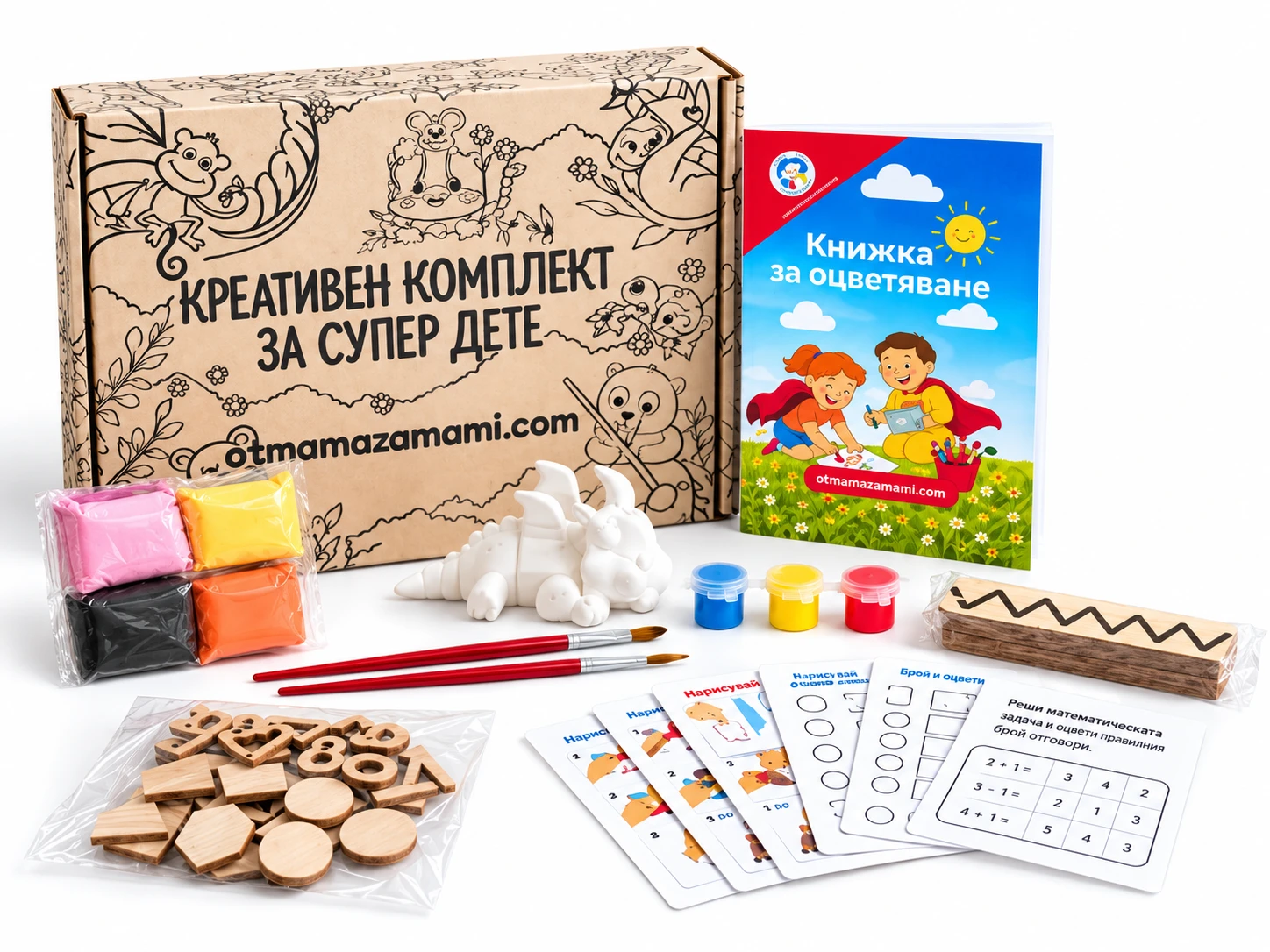
See how you can support your child's development: https://otmamazamami.com/komplekti/