





When Parents Separate - How to Help Your Child
6 min read От Мама За Мами
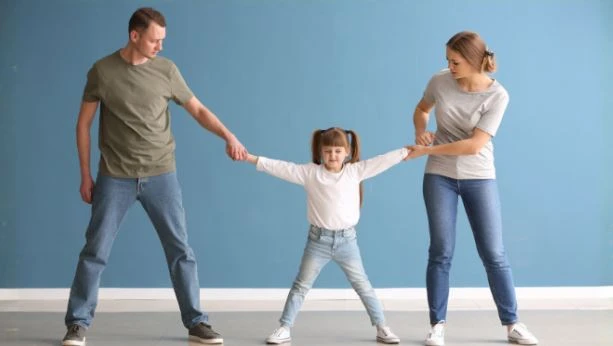
How does a parents' separation affect children?
Separation between two adults is always hard - but when a child is part of the equation, every word, look and decision leaves its mark. For young children, the world is measured by how stable mum and dad are. When that stability shakes, their sense of security cracks. Even so, with the right support and thoughtful behaviour from parents, a child can get through this process without lasting emotional scars.
How children perceive separation
Adults often underestimate how strongly children pick up on tension. They may not understand every word, but they feel everything - the tone, the looks, the changes in daily life.
Children under 3 - feel the change through one parent's absence. They become unsettled, struggle to fall asleep, or go back to earlier habits (for example, wanting a dummy again).
Children aged 4 to 7 - often look for blame in themselves. They might think: "If I'd been better, mum and dad wouldn't have argued."
Children aged 8 to 12 - are already aware of the conflict, but don't know how to handle feeling loyal to both parents.
Teenagers - may react with anger, withdrawal or even apathy, behind which lies deep sadness.
The emotional impact of separation
The biggest blow to a child doesn't come from the separation itself, but from how parents go through it and talk about it.
Guilt and confusion
Many children believe they're to blame for the separation. Even if no one has told them so, they link their own behaviour to the arguments at home.
Insecurity and fear of abandonment
When one parent leaves, a child may worry the other will disappear too. This often leads to clinginess, trouble sleeping or a fear of being alone.
Emotional tension can show up as rebellion, outbursts of aggression or withdrawal. Anger is often how a child expresses a sadness they can't put into words.
How parents can help
Separation doesn't have to leave a scar. Children have an amazing ability to adapt - as long as they feel loved and secure.
1. Talk openly and calmly
Children need clarity. Use simple words and don't assign blame. For example:
"Mum and dad won't be living together anymore, but we both love you and will always look after you."
2. Don't use your child as a go-between
Don't ask them to pass on messages or pick a side. That creates guilt and pressure they're not equipped to carry.
3. Give them space to express their feelings
Let them be sad, angry or confused. Acknowledge their feelings without dismissing them:
"I understand you're sad. I am too. But it will pass, and we'll get through this together."
Children feel secure when they know what to expect. Try to keep familiar rituals going - bedtime stories, Sunday breakfast, play days.
5. Respect your child's other parent
Even if the separation is difficult, avoid speaking badly about your ex-partner. To your child, this isn't "him" or "her" - this is their parent, part of who they are.
Long-term impact on a child's development
When separation is accompanied by conflict, a child may build protective patterns that carry into adulthood.
Distrust in relationships - a fear that love always ends in separation.
Difficulty with emotional communication - a tendency to suppress feelings to avoid conflict.
Excessive self-reliance - a feeling that they can't depend on anyone.
But when separation happens with respect and support, the effect can be the opposite - the child grows up more self-aware, with an understanding of boundaries and human differences.
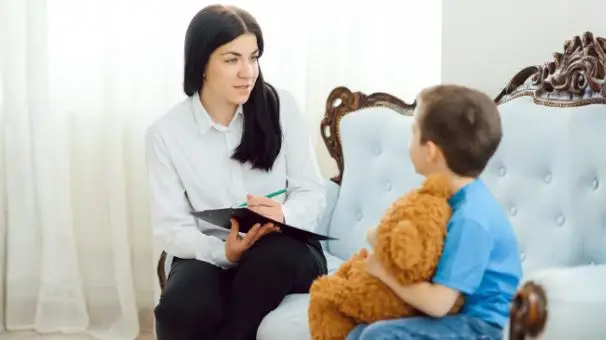
When a child needs more time
Some children take longer to adjust to change than others. If you notice your child is quieter and sadder than usual, stay close to them, give them more time together, and talk openly with the other parent, with teachers and with the people close to your child who know them well. Sometimes the biggest support is simply knowing they can come to you with anything.
Practical steps for a calmer adjustment
Set up a clear schedule for time with both parents
Give your child a comfort object for connection - a photo, a favourite toy, a note
Use books and stories for children that talk about separation
Don't try to "buy" their love with presents - they need time, not things
Remind them often: "This isn't your fault"
Separation isn't the end, it's a new beginning
Yes, separation hurts - for adults and children alike. But it can also become a lesson in love, maturity and empathy. When a child sees that their parents can remain respectful and caring even after separating, they learn that love takes many forms - and that a family doesn't disappear, it just changes.
What should I do if my child doesn't want to see the other parent?
Don't force it, but don't encourage the withdrawal either. Talk calmly about the reasons and suggest meeting in a neutral setting.
Should I tell my child the real reason for the separation?
Yes, but in an age-appropriate way. Avoid details about affairs or financial disputes. Share only as much as they can take in without it weighing on them.
How long does it take a child to adjust after separation?
There's no universal timeline. The first six months are usually the hardest, but with support and consistency, most children find their calm again.
Can separation have a positive effect?
Yes - if it removes constant conflict at home. Two calm households are better than one full of tension.
A parents' separation isn't the end of childhood - it can be the start of new maturity and a deeper bond, if it's handled with love and respect. Your child needs to hear one simple but powerful message:
"Mum and dad aren't together anymore, but we'll always be your parents."
If you're going through this, don't go it alone. Reach out for support - from family, other parents or a trusted friend. Looking after yourself is the first step towards looking after your child.
Discover how to support your child's development: https://otmamazamami.com/komplekti/