






What's Really Behind Anger in Young Children?
3 min read От Мама За Мами
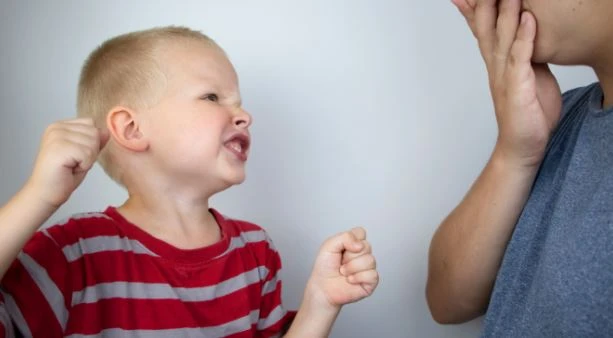
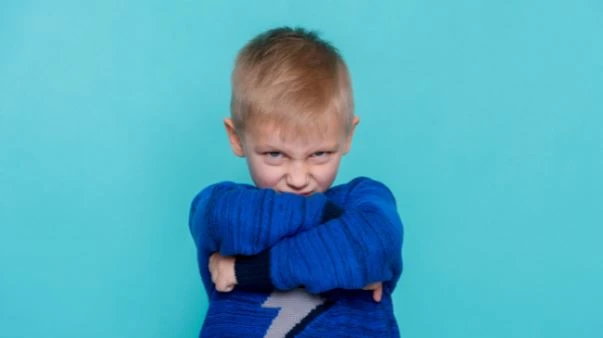
They hit. They pinch. They push. And you're left wondering: 'How can my little one do this?' 'What did I do wrong?' 'Should I punish them?' Parents' reactions are often a mix of shock, embarrassment, guilt and fear, especially when it happens in front of other people. But the truth is, aggressive behaviour at this age isn't a sign of a 'bad child' - it's a signal of emotional overload and an as yet undeveloped ability to cope with big feelings.
Young children often turn to aggression because they can't yet put into words what they're experiencing inside. Up until around the age of four, they're still learning to control themselves. Hunger, tiredness, too much stimulation - all of this can lead to behaviour that looks completely out of control. The child isn't thinking, 'I'll hit them because I'm bad.' They simply don't know any other way to express their tension, frustration or need for attention.
In these moments, the biggest challenge for a parent is staying calm. A response like 'We don't hit. I can see you're angry. I'll help you' shows the child that their feeling is valid, but that there's a better way to express it. Removing the child from the situation shouldn't be isolation or punishment, but a chance to calm down: 'We'll stay here together until you feel calmer.' This teaches boundaries without damaging the connection between you.
After an outburst of aggression comes the time to talk - not straight away, but once you've both calmed down. Instead of blame, offer understanding: 'You were angry because you wanted the toy. Next time you could say, "I'm not okay."' Conversations like this, repeated again and again, start to build an emotional vocabulary. Over time, your child will start using words instead of hands - not out of fear, but because they've learnt how.
It's also worth knowing what to avoid. Shouting, shaming a child in front of others, or using labels like 'bad child' erode trust and self-confidence. Young children don't have the capacity to grasp social nuance the way adults do. They don't realise aggression puts them in an awkward position - they're simply reacting to inner chaos. And the more we insult or punish them, the more that chaos grows.
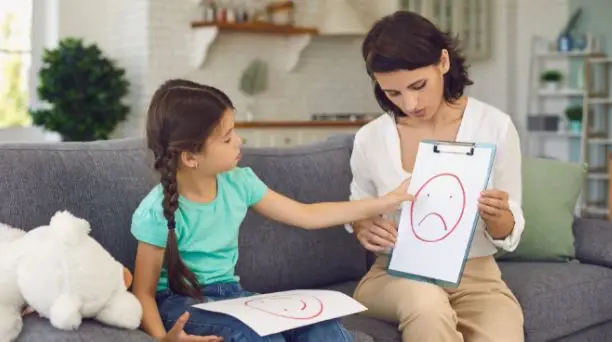
Long-term support comes down to small daily steps. Reading books about feelings, role-playing - 'What do we say when someone makes us angry?' - and plenty of movement. Dancing, running, jumping - physical activity helps the body release tension. And most importantly, a secure bond with an adult. When a child knows there's always someone to calm them, understand them and accept them, they gradually start to learn these patterns for themselves too.
Aggression isn't a failure. It's a call for help: 'Help me understand what's happening inside me.' And when we respond with clarity, boundaries and love, the child learns. Not out of fear. But through connection.
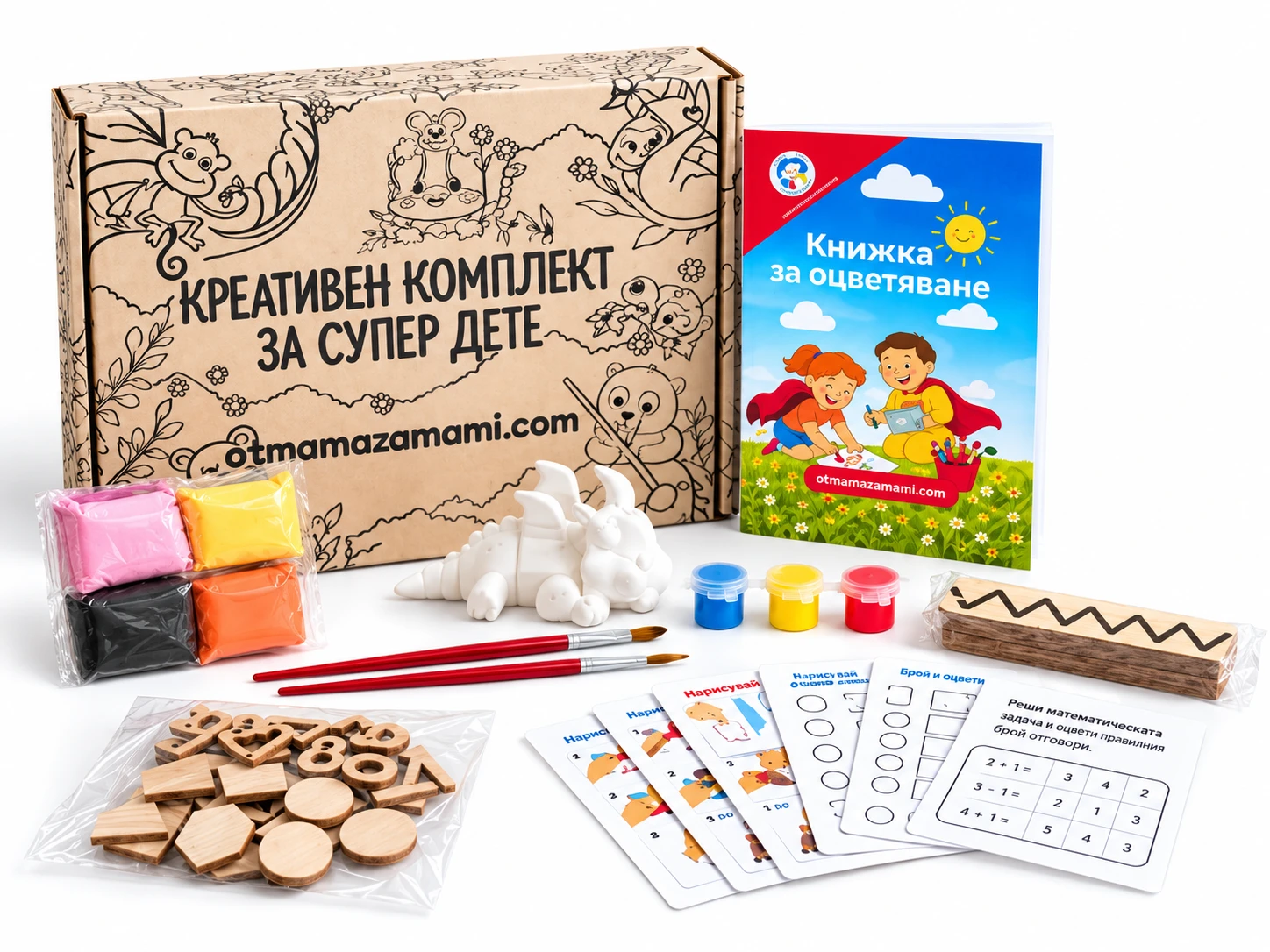
See how you can support your child's development: https://otmamazamami.com/komplekti/