





When Does a Child Learn to Wait - And Why 'Just Wait a Minute!' Doesn't Work
2 min read От Мама За Мами
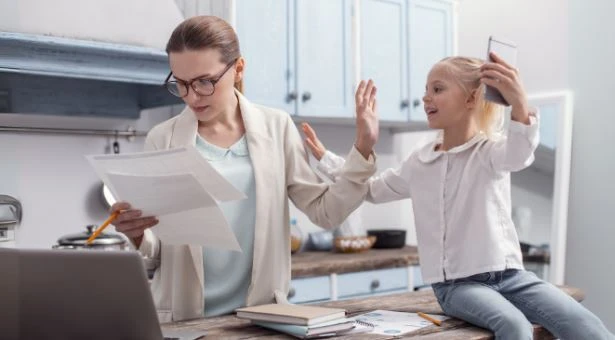
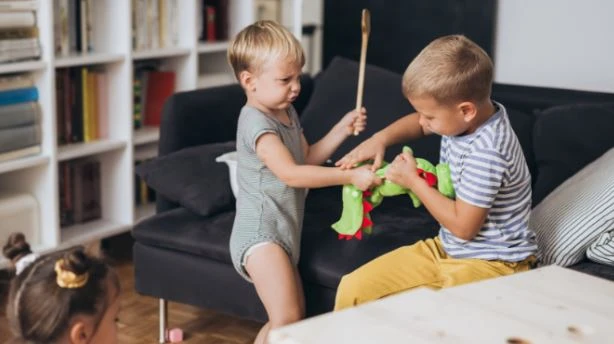
We say 'Just wait a minute!' while we're stirring a pot, on the phone, or tying their little brother's shoes. But our child is already restless, tugging at our sleeve, raising their voice, and often ends up crying or cross. And we wonder - why can't they just wait? Why don't they understand that we can't do it right now?
The truth is, patience isn't something children are born with. It's built - and slowly. Young children don't have the sense of time that we adults do. For them, 'in a bit' or 'five minutes' are just empty sounds that mean nothing concrete. They live entirely in the present moment, and if they want something, they want it now. Not because they're being difficult, but because that's simply how the world feels to them at this age.
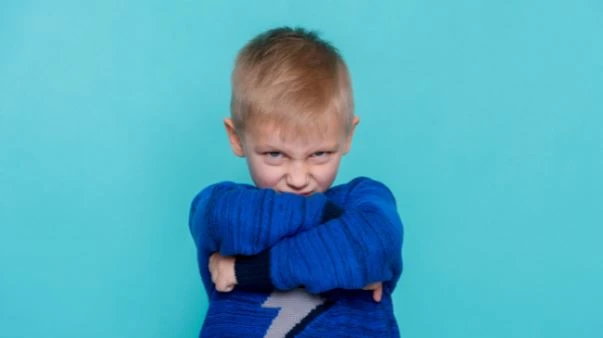
Parents often read impatience as 'bad behaviour' - as if the child is interrupting on purpose, being disrespectful, or not considering others. But look closely and you'll see it's more about inability than unwillingness. A young child simply doesn't yet know how to hold on to a wish, delay gratification, or regulate themselves.
So how is patience learned? First, through example. When a parent calmly says, 'I can see you really want to show me your drawing, and I'm finishing something right now. I'll sit down with you after that,' and then actually follows through, the child learns that their needs matter, but that sometimes waiting is part of it. Not through rejection, but through respect. Waiting becomes easier to bear when you know a response is coming afterwards.
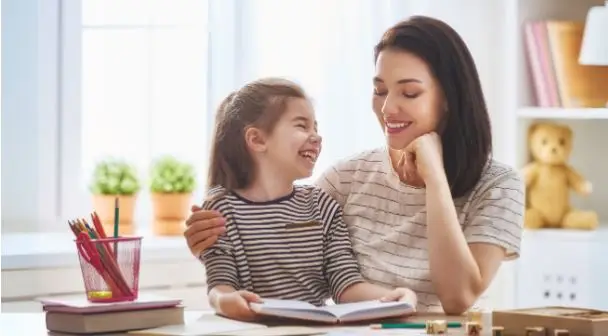
Another key point is giving real markers to wait for - not 'a bit later', but 'when the timer goes off', 'once I've washed my hands', 'when this song finishes'. This helps children start to connect time with something concrete. And more and more often, they manage. Sometimes they'll need a reminder. Sometimes they'll ask again. But over time, they learn.
And sometimes, when children insist, what they're really after isn't an answer but connection. Not 'Look at me!' but 'Be with me!' If we can look at them and say warmly, 'Yes, I see you, and I want to hear you - I'll be right there,' we've already taken half the step. Patience isn't taught through bans and punishments. It's taught through repetition. Through respect. And through the certainty that when we say 'in a minute', that 'later' really does come.
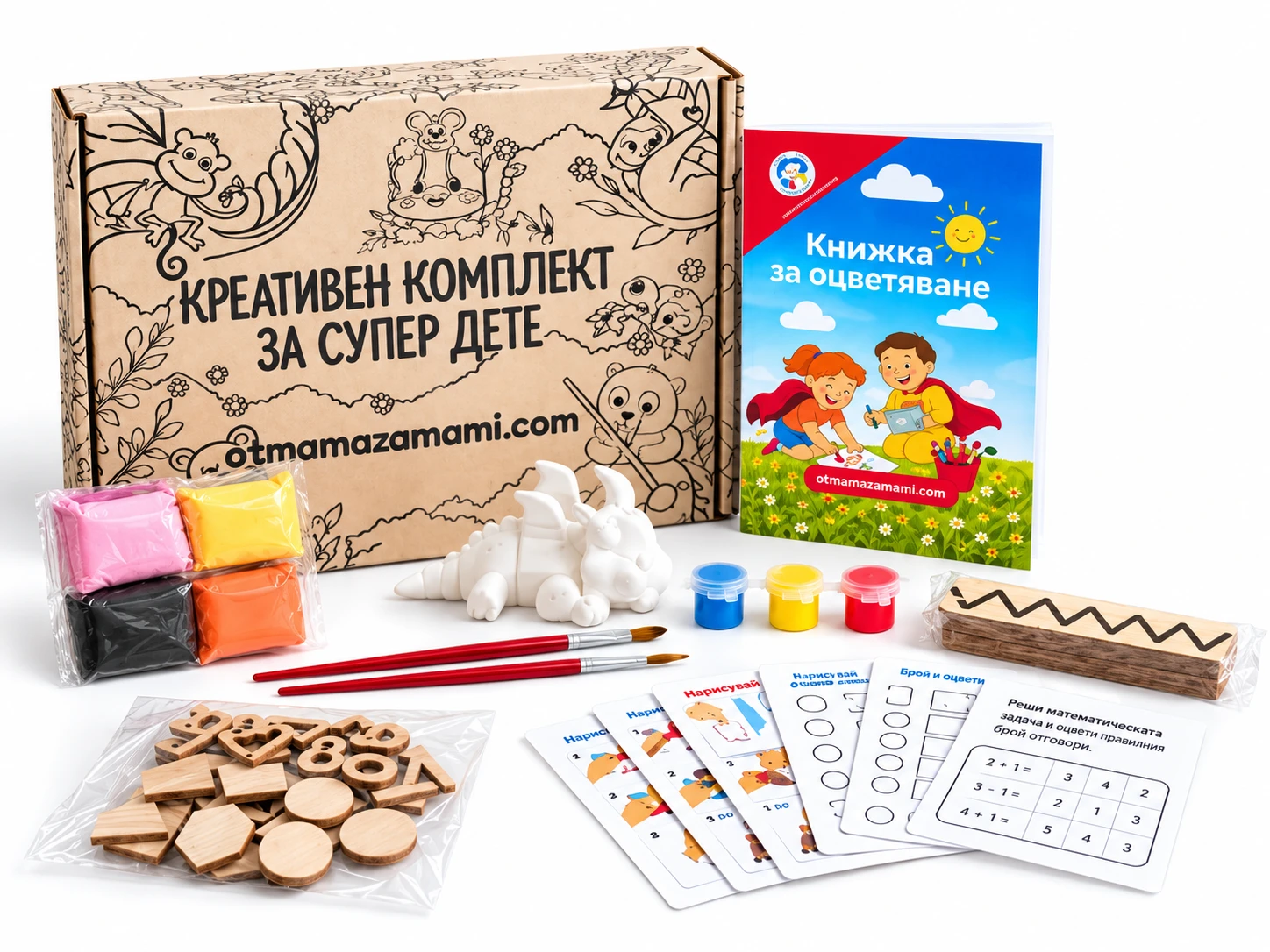
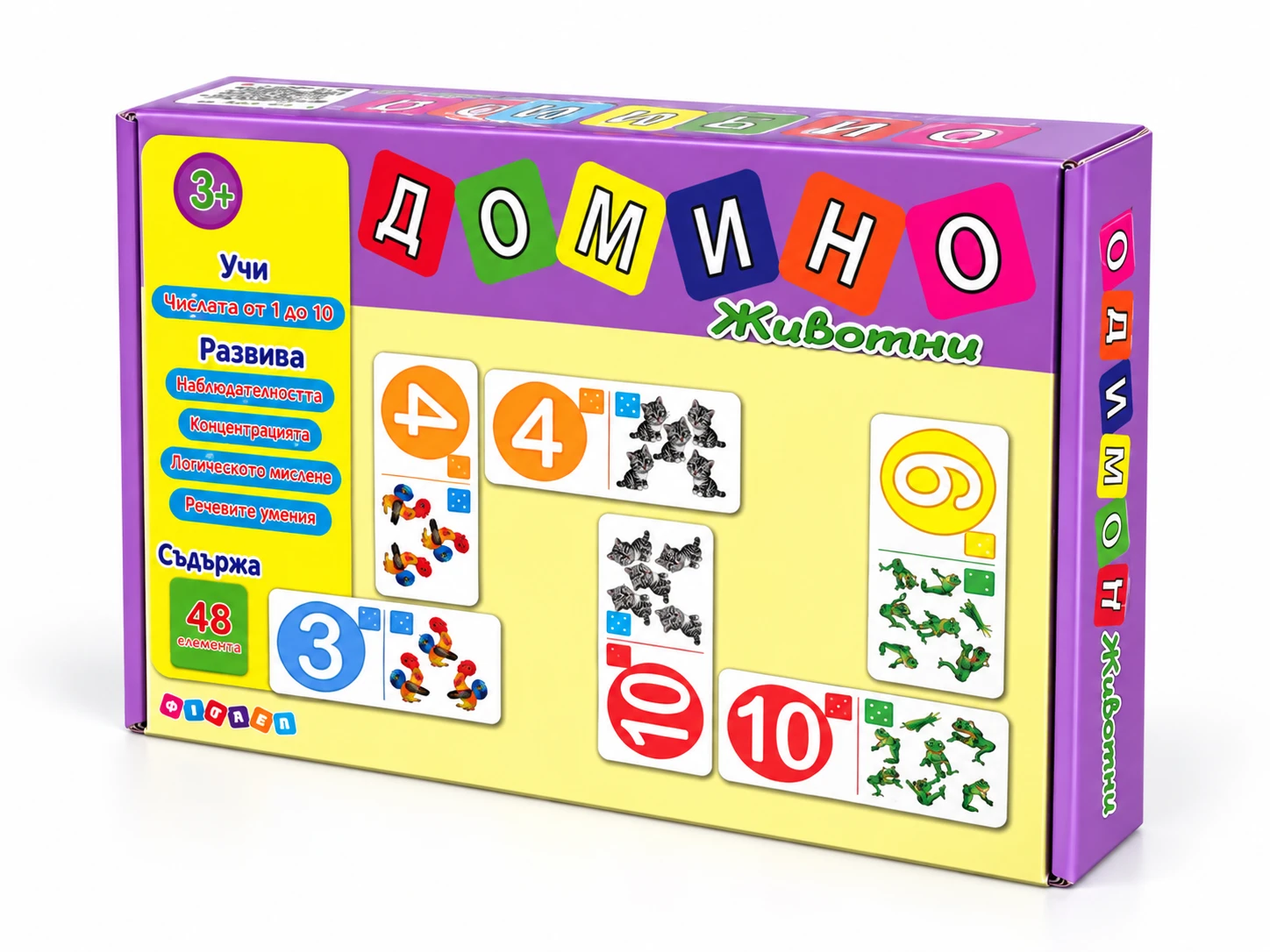
See how you can support your child's development: https://otmamazamami.com/komplekti/