


First Words - How Your Child's Speech Develops
5 min read От Мама За Мами
One of the most exciting moments for any parent is their child's first word. We wait for it eagerly, comparing, asking, watching. And if it's slow to come, a little worry naturally creeps in: "Is this normal?", "Should they be talking by now?", "Are we falling behind?"
The truth is, speech development is a process that unfolds differently for every child. And although there are guidelines, they are not strict rules. It's important to know what's normal, how to support your child, and when you genuinely need to seek help, without tipping into unnecessary panic.
How speech develops in the early years
Speech development begins long before the first word. From the very first months, a baby listens, observes and gradually starts to understand the world through sounds and tone of voice. Cooing, babbling and repeating syllables aren't just "cute sounds", they're important stages in this process.
Around their first birthday many children say their first words, but this can happen earlier or later too. More important than speaking itself is understanding. If your child responds to their name, follows simple instructions and shows interest in communicating, that's a very good sign.
Over time, their vocabulary gradually expands. Sometimes this happens smoothly, other times it comes in a "leap", when lots of new words appear in a short space of time. Both are perfectly normal.
When there's no need to worry
One of the most common causes of worry is comparison. We hear that another child the same age is already talking more, and we start to doubt ourselves. But every child has their own pace.
Some children start talking later but are very active when it comes to movement, play or observation. Others build up their understanding first and only then start speaking more confidently. This doesn't mean there's a problem.
If your child shows a desire to connect, looking us in the eye, trying to communicate, using gestures, sounds or words, that matters far more than the number of words they can say.
What we can do in the meantime
Every child finds their own way to words. The best thing we can do in the meantime is talk to them, sing to them, read together and enjoy every new sound. If something's nagging at you, share it with family or other parents, it often turns out you're not the only one wondering the same thing.
It's important to take a calm approach. The goal isn't to go looking for problems, but to be attentive and informed.
How we can support speech development
Speech development doesn't require special exercises or complicated methods. The biggest influence comes from everyday conversation. When we talk to our child, describe what we're doing, and name objects and actions, we give them a rich language model.
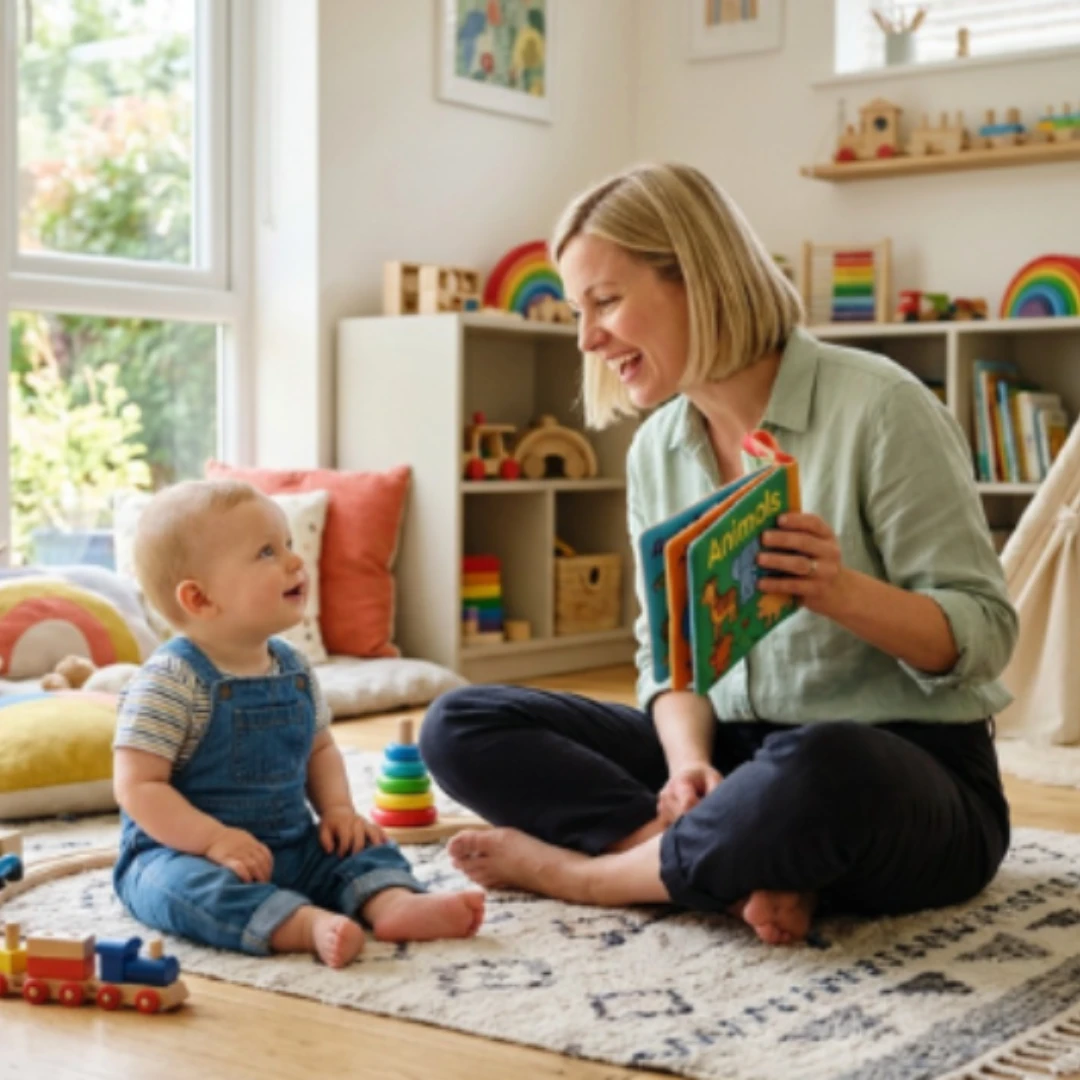
Reading books also plays a huge part. Even when a child is very young, they listen, watch and connect words with images. This builds the foundations of speech in a natural way.
It's just as important to give your child time to "reply". When we ask a question or say something, it's worth pausing instead of jumping straight in to finish the sentence for them. This gives them the space to try.
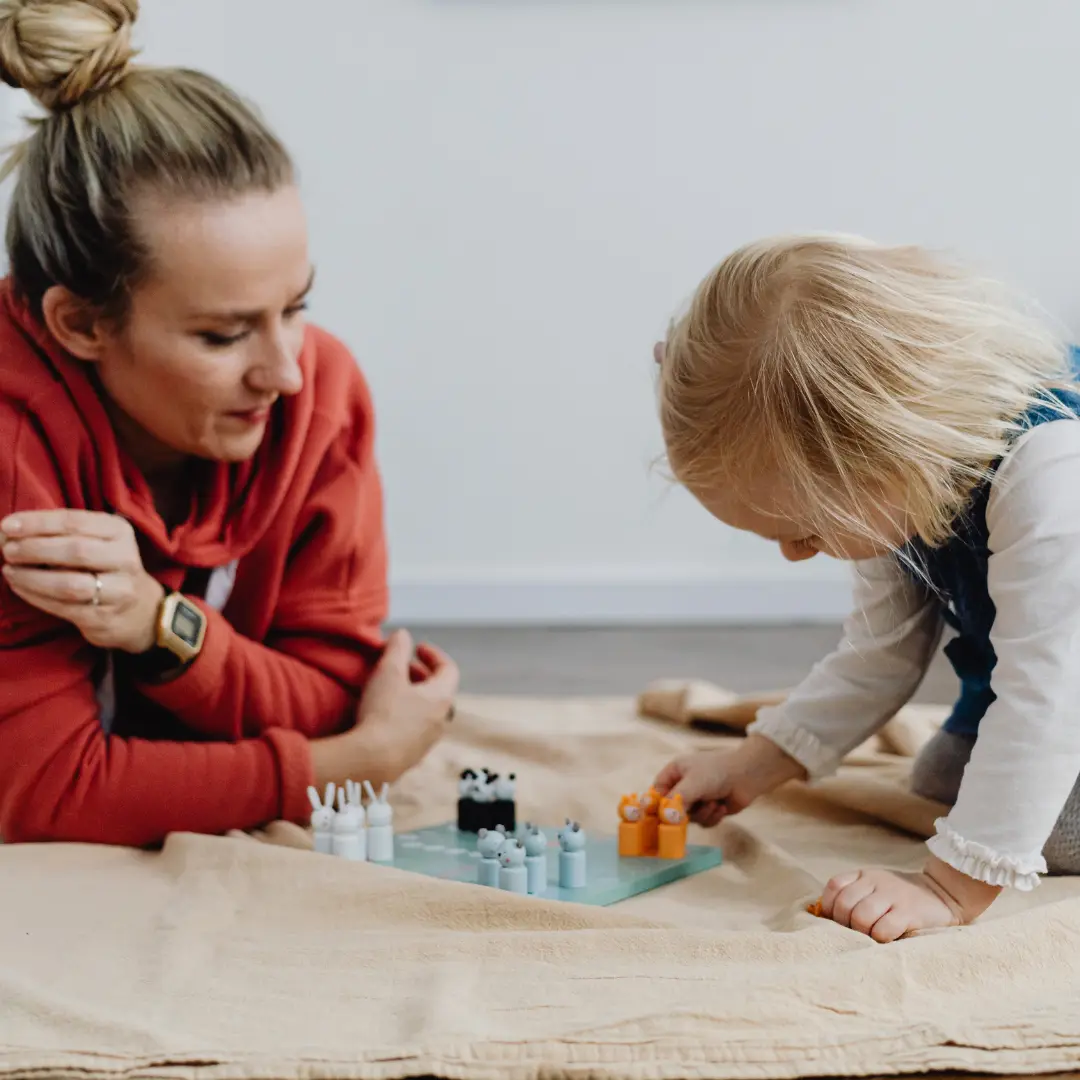
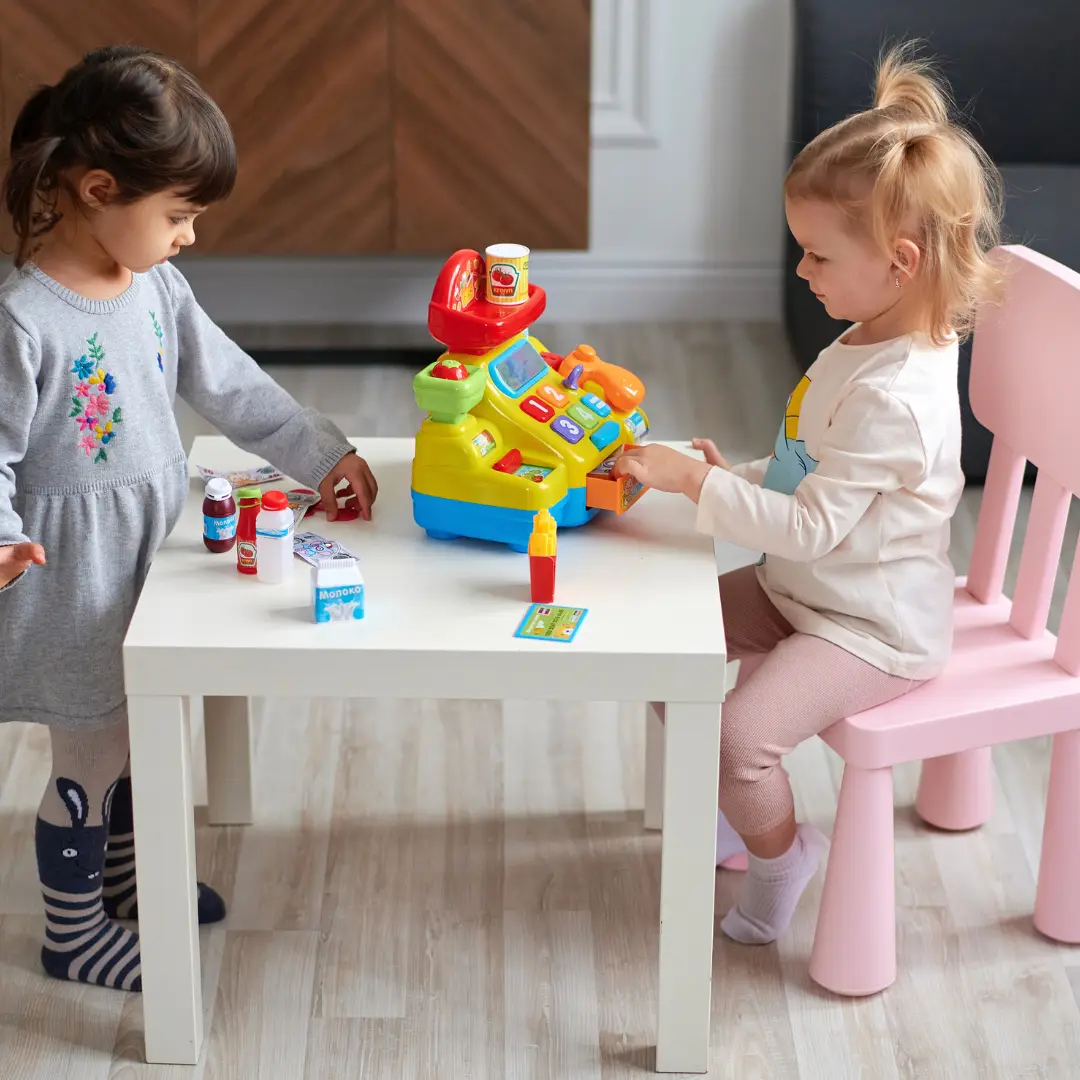
And last but not least, play. Children learn the most through play. When we play together, we talk naturally and create an environment where speech develops without pressure.
Sometimes, in our eagerness to help, we create tension instead. Constant correcting, insisting "say it properly" or comparing your child to others can backfire.
Too much screen time also reduces opportunities for real communication. Children need live contact, a face, a voice that responds to them.
Speech develops through connection, not isolation.
When should my child say their first word?
Usually around 10-14 months, but it's perfectly normal for this to happen later too.
How many words should they be saying at age two?
Many children use around 20-50 words, but there's a lot of variation. What matters more is whether your child is communicating.
Is it normal for a child to understand but not speak?
Yes, this is very common. Understanding always comes before speaking.
Should I make them repeat words?
No. It's better to lead by example than to insist on repetition.
First words are an important milestone, but they're not a race. Every child has their own rhythm and their own way of getting there. The most valuable thing we can give them is calm, presence and an environment where communication happens naturally.
Instead of asking yourself "When will they start talking?", try asking "How can I be there for them through this process?" That's where the real development happens.
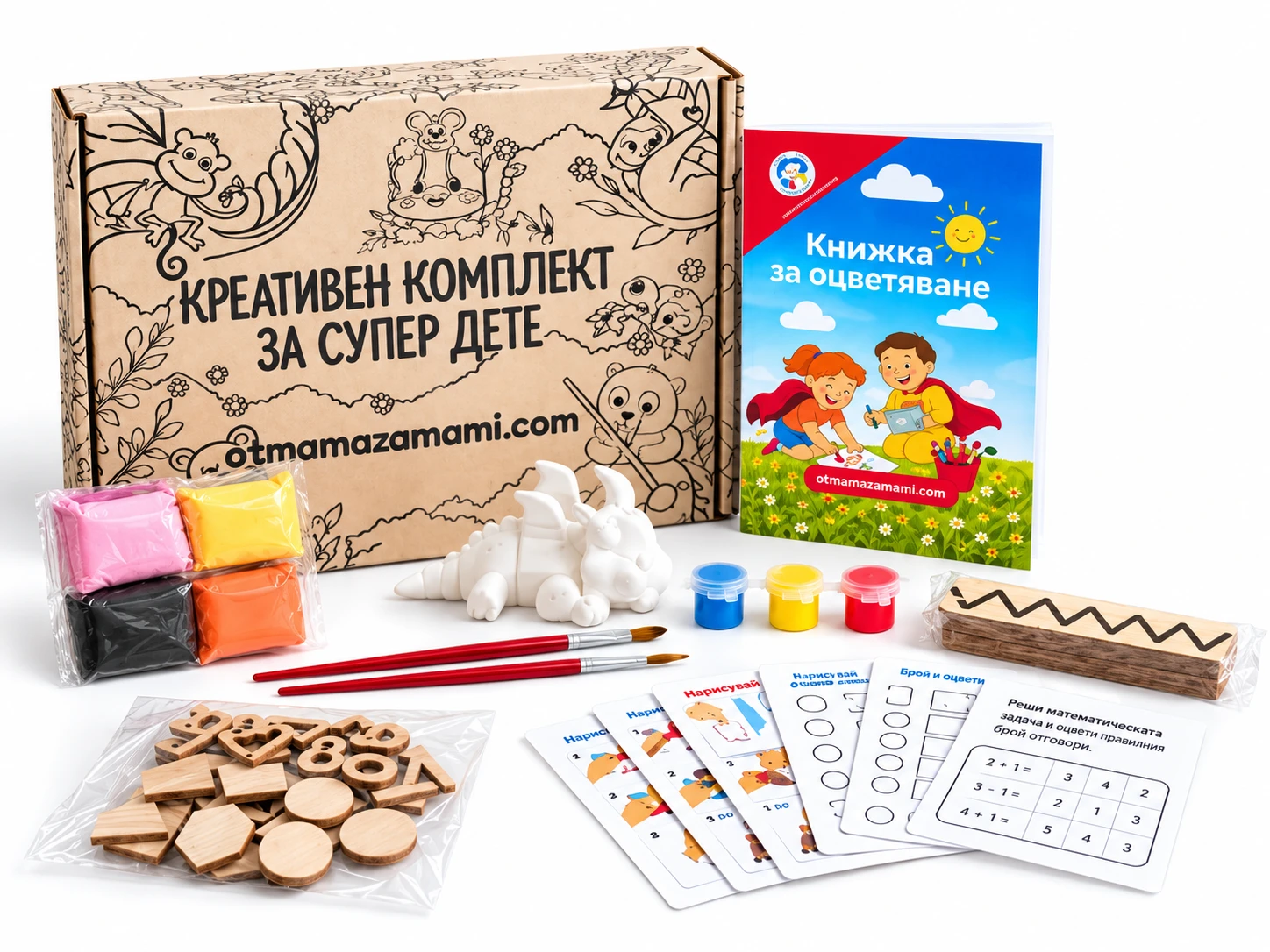
See how you can support your child's development: https://otmamazamami.com/komplekti/