





When Does a Child Learn to Wait - and Why "Just a Second!" Doesn't Teach Them How
2 min read От Мама За Мами
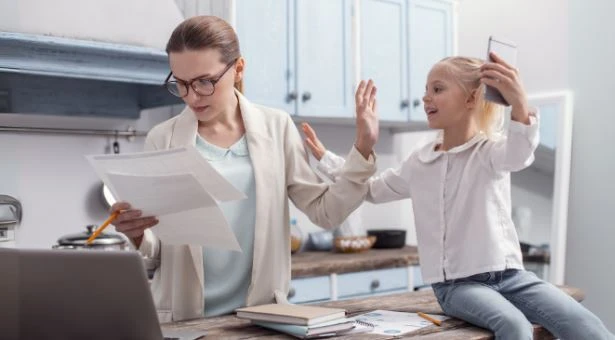
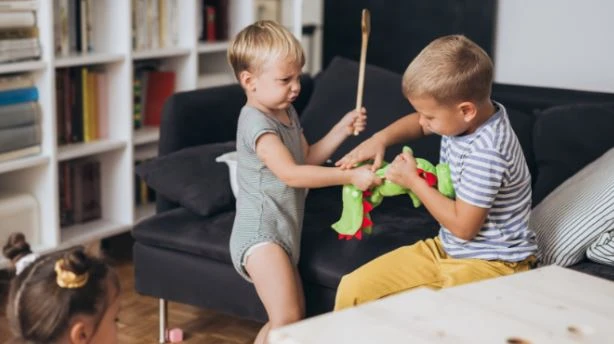
"Just a second!" we say, while stirring a pot, taking a phone call, or tying a sibling's shoelaces. But the child is already restless, tugging at our sleeve, raising their voice, and often ending up in tears or a strop. And we wonder: why can't they just wait? Why don't they understand that we can't do it right now?
The truth is, patience isn't innate. It's built up, slowly. Young children don't have the same sense of time that we adults do. To them, phrases like "in a bit" or "five minutes" are just empty sounds that mean nothing concrete. They live entirely in the present moment, and if they want something, they want it now. Not because they're being difficult, but because that's simply how their brains work.
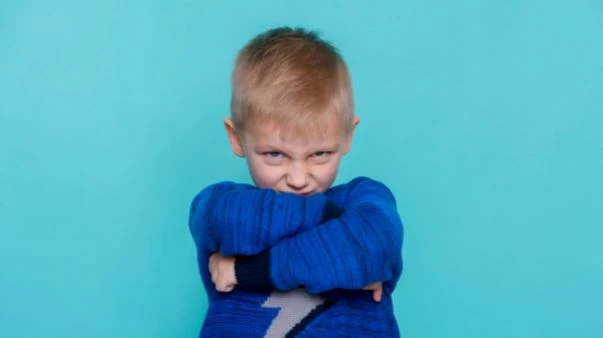
Parents often read impatience as "bad behaviour": that the child is interrupting on purpose, being disrespectful, refusing to cooperate. But if we look closely, we'll see it's less about unwillingness and more about genuine inability. A young child simply hasn't yet learned how to hold onto a desire, delay gratification, or regulate their emotions.
So how does a child learn patience? First, through example. When a parent calmly says, "I can see you really want to show me your drawing, and I'm just finishing something up. I'll sit down with you in a moment," and then actually follows through, the child learns that their needs matter, but that waiting is sometimes part of the deal. Not rejection, but respect. Waiting becomes far more bearable when you know a response is coming.
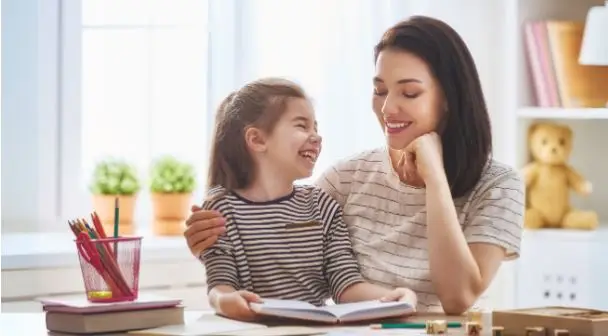
Another key step is giving children real, concrete markers, not "a little later," but "when the timer rings," "once I've washed my hands," or "when this song finishes." This helps children start linking time to something tangible. And more and more often, they manage. Sometimes they'll need a reminder. Sometimes they'll push back again. But over time, they learn.
And sometimes, when children insist, what they're really after isn't an answer, it's connection. Not "Look at me!" but "Be with me!" If we can look at them and say warmly, "Yes, I see you, and I want to hear you, I'll be right there," we've already covered half the distance. Patience isn't taught through bans and punishments. It's taught through repetition. Through respect. And through the certainty that when we say "in a bit," that "later" really does arrive.
See how you can support your child's development: https://otmamazamami.com/komplekti/