









Regression in Babies and Toddlers - Why Does Everything Suddenly Seem to Go Backwards?
6 min read От Мама За Мами
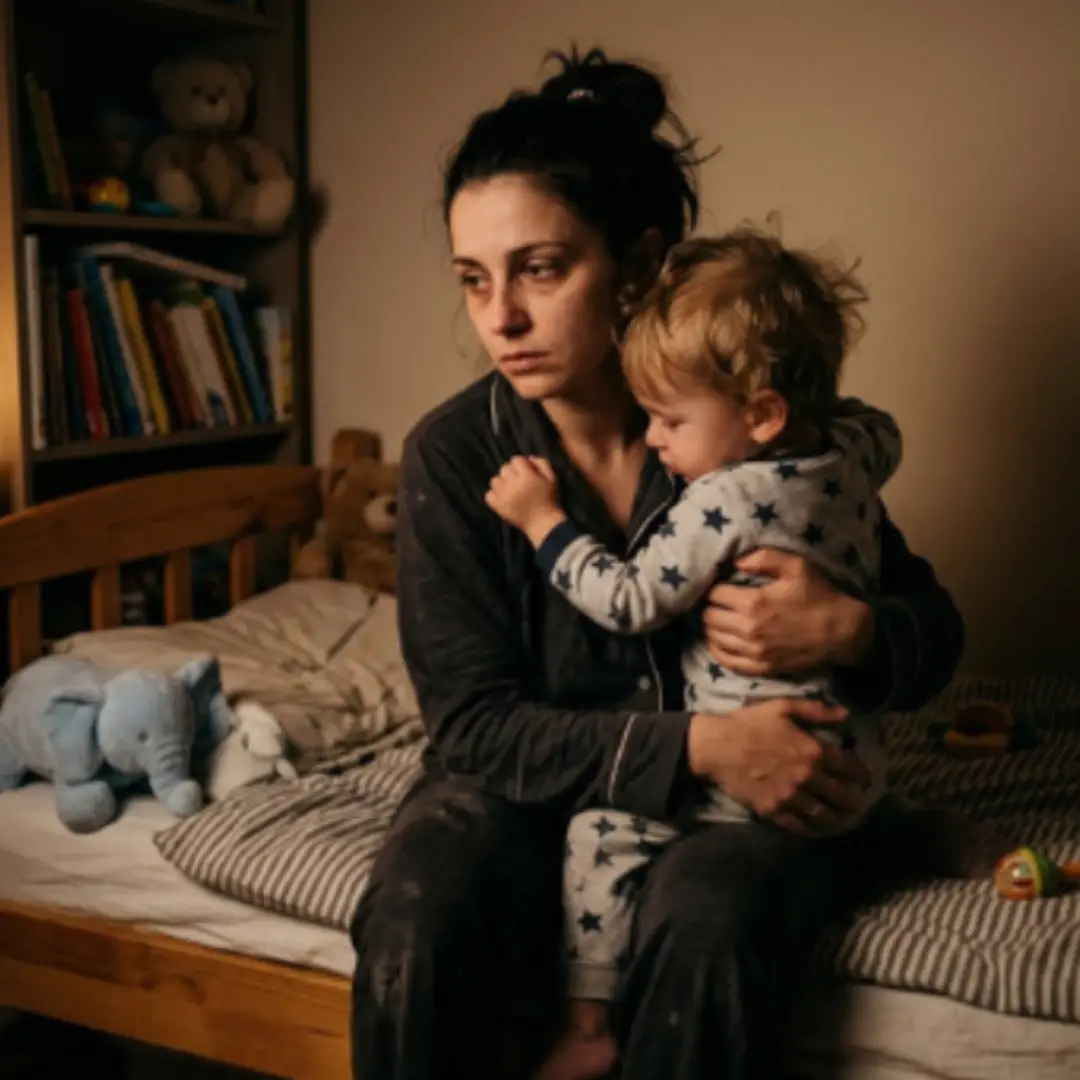
There's a moment in parenting that almost every family goes through. After days, weeks, or even months of finally feeling a bit of calm, things suddenly change. The baby who'd finally been sleeping better starts waking often again. The toddler who used to settle happily with someone else suddenly clings to you and cries at every goodbye. The little one who'd started eating more easily refuses their food and wants only what's familiar.
In moments like these, many parents wonder if they've done something wrong. They start looking for a cause, changing routines, tweaking habits, or worrying that something's gone off track. The truth is, more often than not, this isn't a problem at all. It's not about spoiling, stubbornness, or "undoing" habits you've worked hard to build. In many cases, what you're seeing is what's known as regression - a completely natural stage that's part of development.
Strange as it sounds, sometimes right before a big leap forward comes a stretch that looks like a step back.

What Is Regression, Really?
When we hear the word "regression," we often picture a child losing skills they'd already mastered and slipping backwards. It can feel like starting over - sleep changes again, habits you've spent months building suddenly vanish, or your child starts needing help again with things they were managing fine on their own just yesterday. And that's exactly what confuses parents most, because it feels like something has shifted out of nowhere and everything you'd achieved is slipping away.
In reality, child development almost never moves in a straight line. It's not a ladder that a child climbs step by step, without hesitation or pause. It's more like waves - calmer stretches followed by moments of big change, and then a new stage, a new skill, or a new way of seeing the world begins. That's what makes development so beautiful, and so confusing for parents, because sometimes right before a leap forward comes a moment that looks like a step back.
In the first years of life, a child's brain works at an extraordinary pace. In a very short space of time, a baby doesn't just grow physically, they start to see the world in a completely different way. New movements are learned, new sensations pile up, and there's more emotion, more understanding, and more awareness of what's going on around them. In just a few weeks, a child can start noticing people differently, spotting new connections between events, and experiencing the world far more intensely.
That's an enormous amount of work for such a small being. And when so many processes are happening at once inside a child, it's entirely natural for them to seek out more security and more support. That's why, during these periods, you'll often see more need for closeness, more wanting to be held, stronger clinging to mum, or a return to habits that bring a sense of calm and predictability. This isn't a sign that your child is losing skills or that something's wrong. It's simply their way of moving through a big internal change.
Why Does It Feel Like Everything Changes Overnight?
The most confusing thing about regression is that it almost always seems to appear out of nowhere. Yesterday everything was calm, sleep was easier, goodbyes went smoothly, daily life had a rhythm. Then suddenly there's a day when your child cries more, wakes more often, wants constant contact, and it feels like everything has changed.
The reason is that big developmental leaps rarely happen quietly. They place real strain on the brain and nervous system. Imagine that, in a very short time, the world around you starts feeling bigger, louder, and far more interesting. Suddenly you're noticing new faces, new objects, new possibilities. You're starting to understand more about space, separation, movement, and your own wants. For a small child, that's a huge shift, and it's no surprise it sometimes shows up as more tension, more crying, and a greater need for security.
That's why regressions often bring more night waking, more need for contact, and more friction around everyday habits. Some children start wanting help with feeding again, others no longer want to stay with people they used to feel comfortable with, and some just seem more sensitive and quicker to get upset. These changes can feel alarming, but more often than not, they're not a sign that something's wrong, they're a sign that something much bigger is happening inside your child.
How Can You Help Your Child Through a Regression?
When you see a sudden change, the natural reaction as a parent is to start looking for a fix. You want to get back to the familiar calm as quickly as possible, back to feeling like you know what's going on. You start wondering whether you need to change the routine, the way your child falls asleep, feeding, or daily habits. But the truth is, regression isn't a problem to be solved. It's a stage your child needs to be guided through.
More often than not, the biggest help isn't a new method or a clever trick. It's security. When a child has predictability around them, familiar routines, closeness, calm, and someone who stays close, getting through this stage becomes easier. Sometimes that means more cuddles, more patience, or simply accepting that for a little while your child will need you more than usual. That's not spoiling them. It's giving them support at a time when their world temporarily feels bigger, louder, and a little harder to make sense of.
See how to support your child's development: https://otmamazamami.com/komplekti/