


First words without the panic - how children's speech develops
5 min read От Мама За Мами
One of the most exciting moments for any parent is their child's first word. We wait for it eagerly, compare notes, ask questions, watch closely. And if it's slow to arrive, it's only natural for worry to creep in. "Is this normal?", "Should they be talking by now?", "Are we falling behind?"
The truth is that speech development is a process that unfolds differently for every child. And while there are general guidelines, they aren't strict rules. What matters is knowing what's normal, how to support your child, and when you genuinely need to seek help - without tipping into needless panic.
How speech develops in early childhood
Speech development begins long before the first word. From the very first months, a baby is listening, watching and gradually learning to make sense of the world through sounds and tone of voice. Cooing, babbling and repeating syllables aren't just "cute noises" - they're important stages in this process.
Many children say their first words around their first birthday, though it can happen earlier or later. Understanding matters more than talking itself. If your child responds to their name, follows simple instructions and shows an interest in communicating, that's a very good sign.
Vocabulary gradually expands over time. Sometimes it grows smoothly, other times it comes in a "burst," with lots of new words appearing in a short space of time. Both are completely normal.
When there's no need to worry
One of the most common causes of worry is comparison. We hear that another child the same age is already talking more, and we start to doubt ourselves. But every child has their own pace.
Some children start talking later but are very active in movement, play or observation. Others build up their understanding first and only start speaking confidently afterwards. Neither means there's a problem.
If your child shows a desire to connect - making eye contact, trying to communicate, using gestures, sounds or words - that matters far more than how many words they can say.
When it's worth paying closer attention
While variation is normal, there are situations worth watching more closely. If your child doesn't respond to sound or their name, doesn't seek contact, doesn't use gestures and shows no interest in communicating, that could be a sign they need extra support.
Similarly, if there are no words or attempts at talking at all by around age two, it's worth consulting a specialist. That doesn't necessarily mean there's a problem, but early support is always the best approach.
The important thing is to stay calm. The goal isn't to go looking for problems, but to stay attentive and informed.
How you can support speech development
Speech development doesn't call for special exercises or complicated methods. The biggest influence comes from everyday communication. When we talk to our children, describe what we're doing, and name objects and actions, we're giving them a rich language model to learn from.
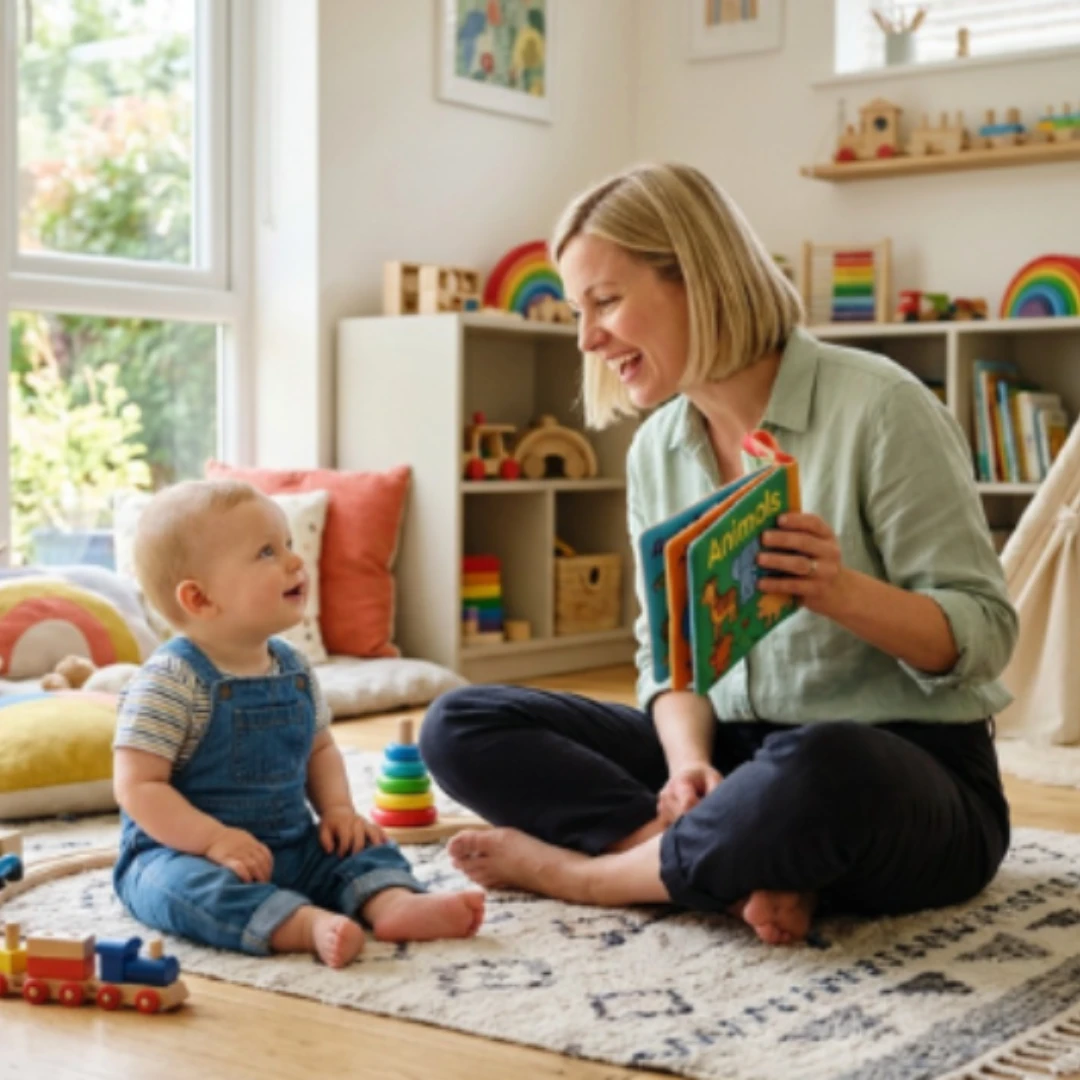
Reading books also plays a huge role. Even when a child is very young, they're listening, watching and linking words to images. This builds the foundations of speech in a completely natural way.
It's just as important to give your child time to "answer." When you ask a question or say something, it's worth pausing instead of jumping in to finish the thought for them. That gives them room to try.
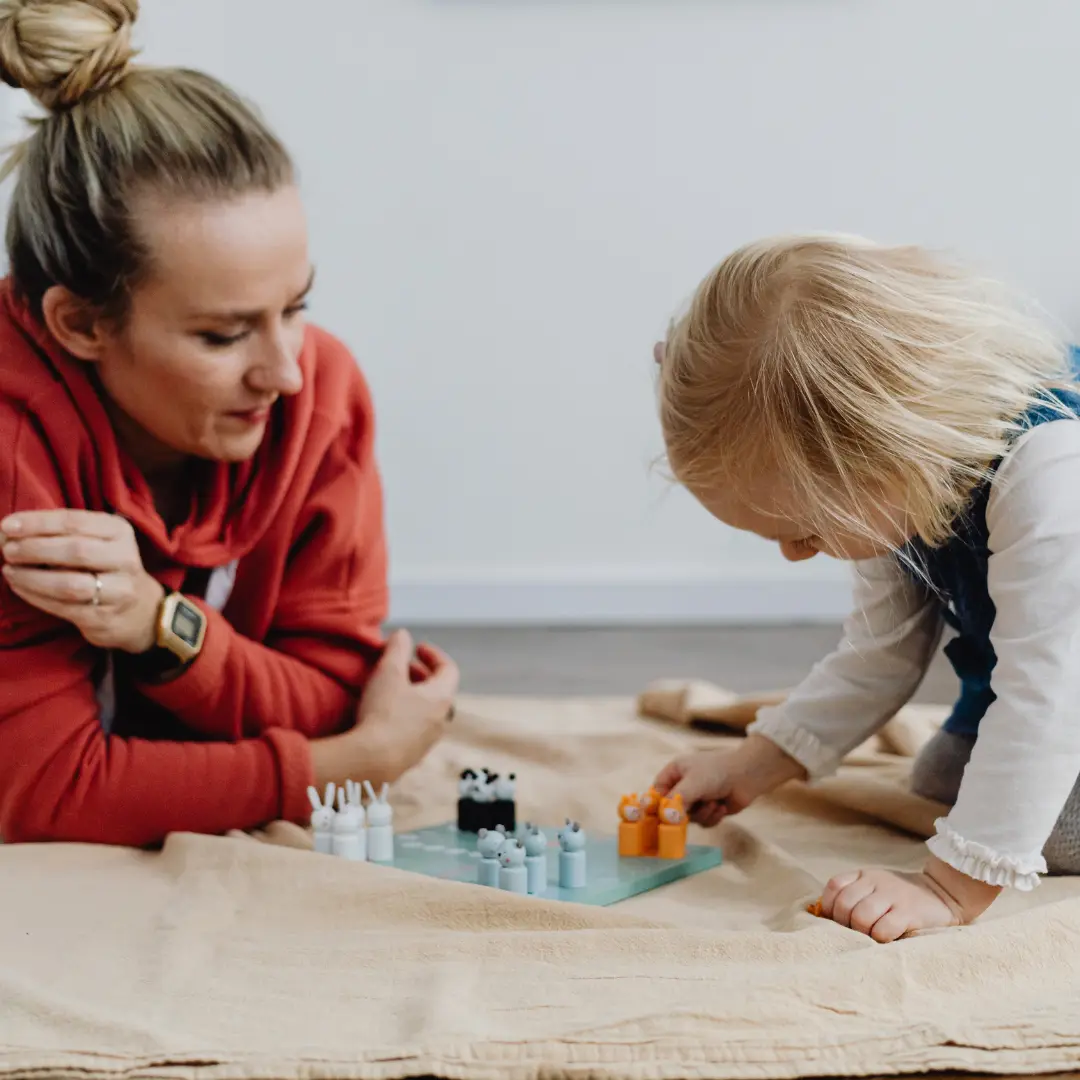
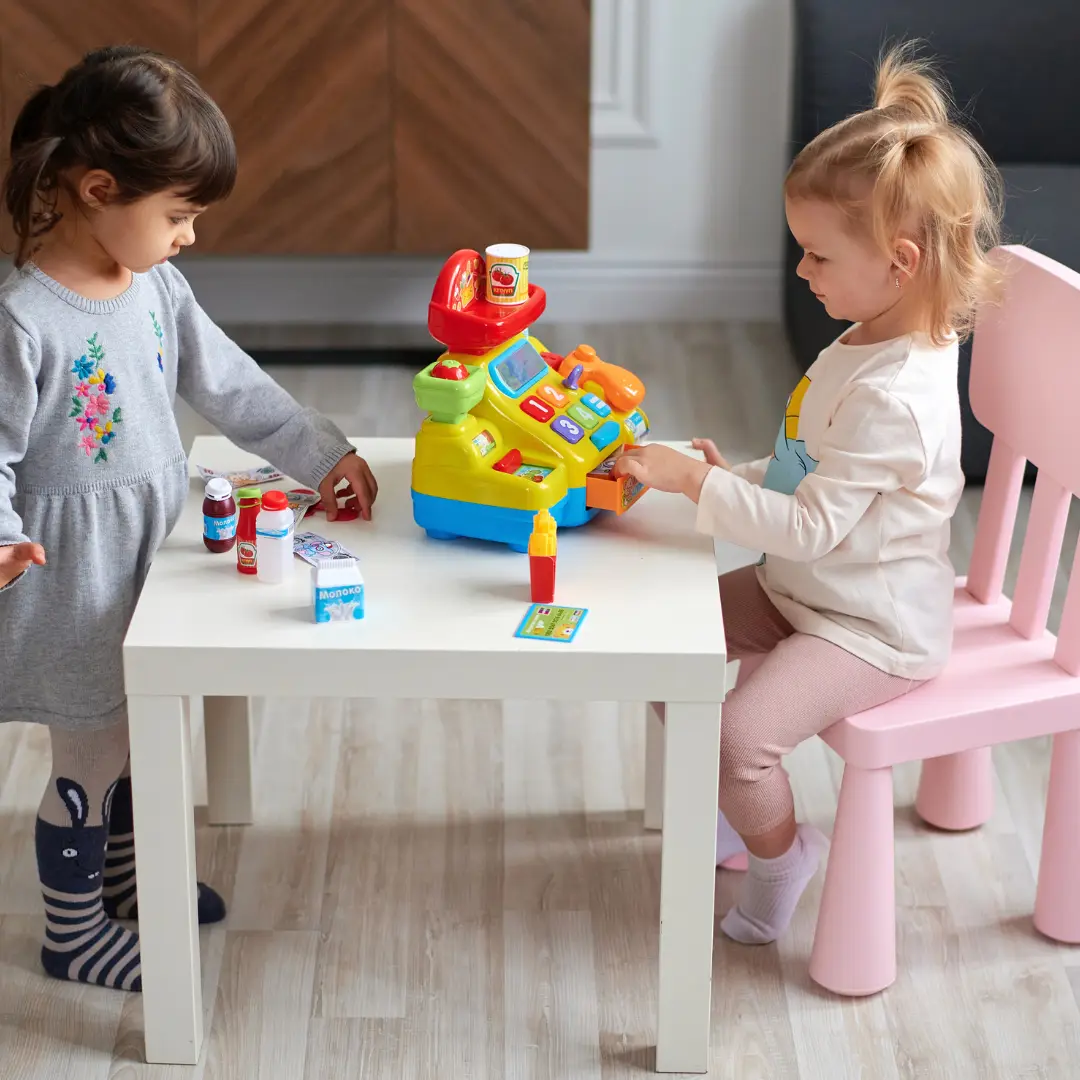
And last but not least - play. Children learn best through play. When we play together, we talk naturally and create an environment where speech develops without pressure.
Sometimes, in our eagerness to help, we create tension instead. Constant correcting, insisting on "say it properly," or comparing your child to others can all backfire.
Too much screen time also cuts down on opportunities for real communication. Children need live interaction - a face, a voice that responds to them.
Speech develops through connection, not in isolation.
When should a child say their first word?
Usually around 10-14 months, but it's completely normal for it to happen later too.
How many words should a child say at age two?
Many children use around 20-50 words, but there's a wide range. What matters more is whether your child is communicating.
Is it normal to understand but not talk?
Yes, this is very common. Understanding always comes before speaking.
Should I make them repeat words?
No. It's better to model the words yourself than to demand repetition.
First words are an important milestone, but they're not a race. Every child has their own pace and their own way of getting there. The most valuable thing we can offer is calm, presence, and an environment where communication happens naturally.
Instead of asking "When will they start talking?", try asking "How can I be there for them in this process?" That's where the real development happens.
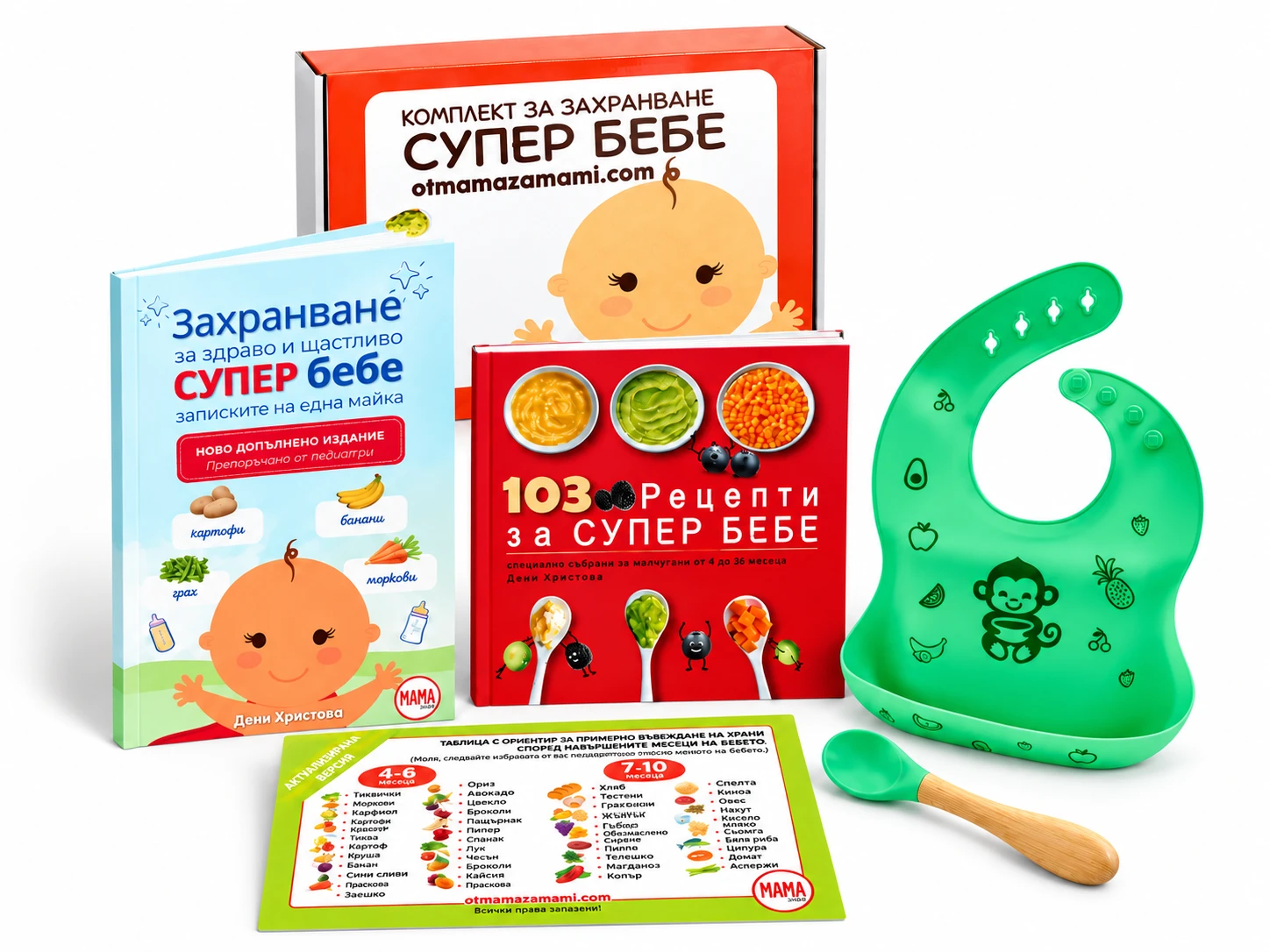
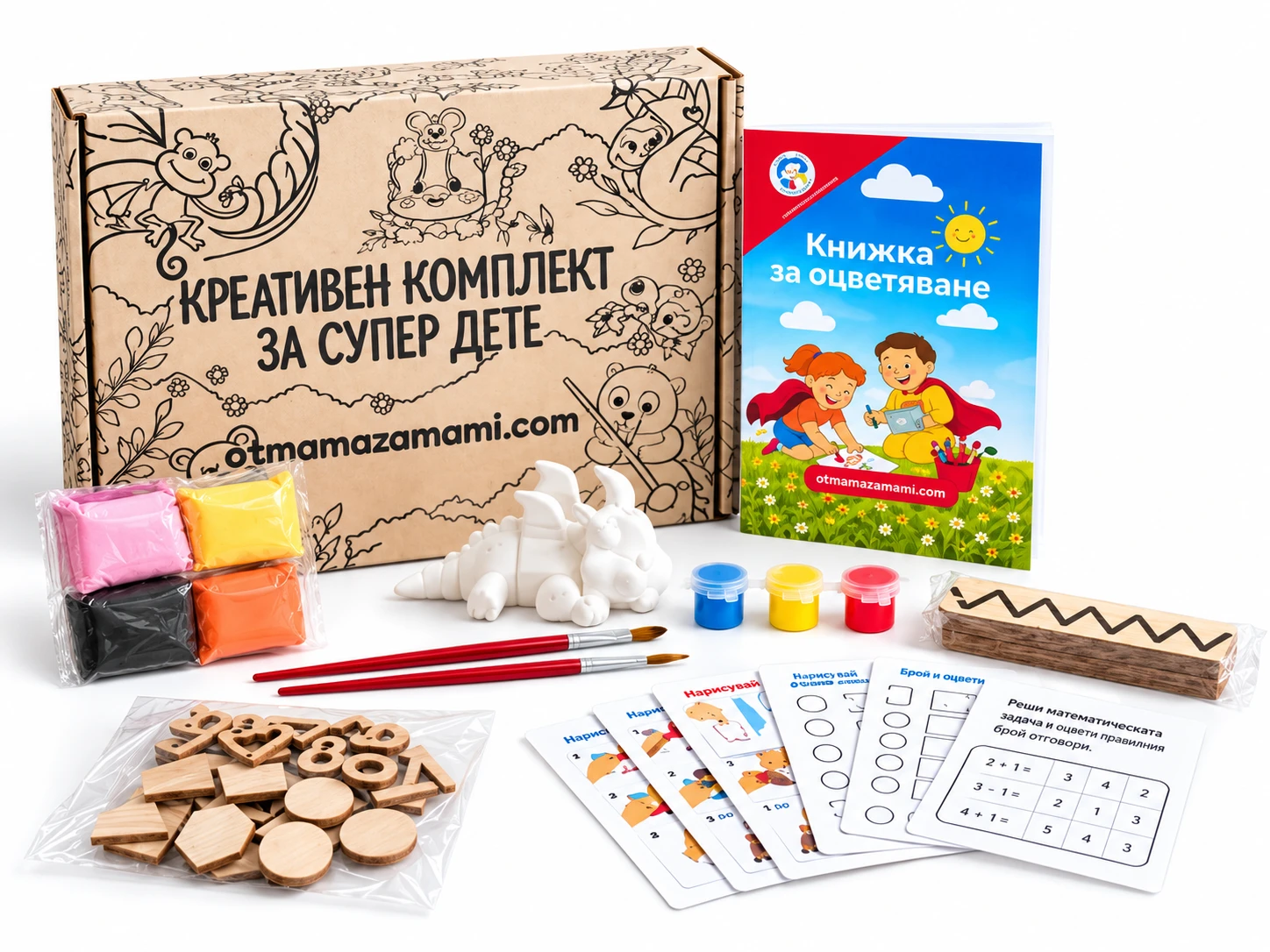
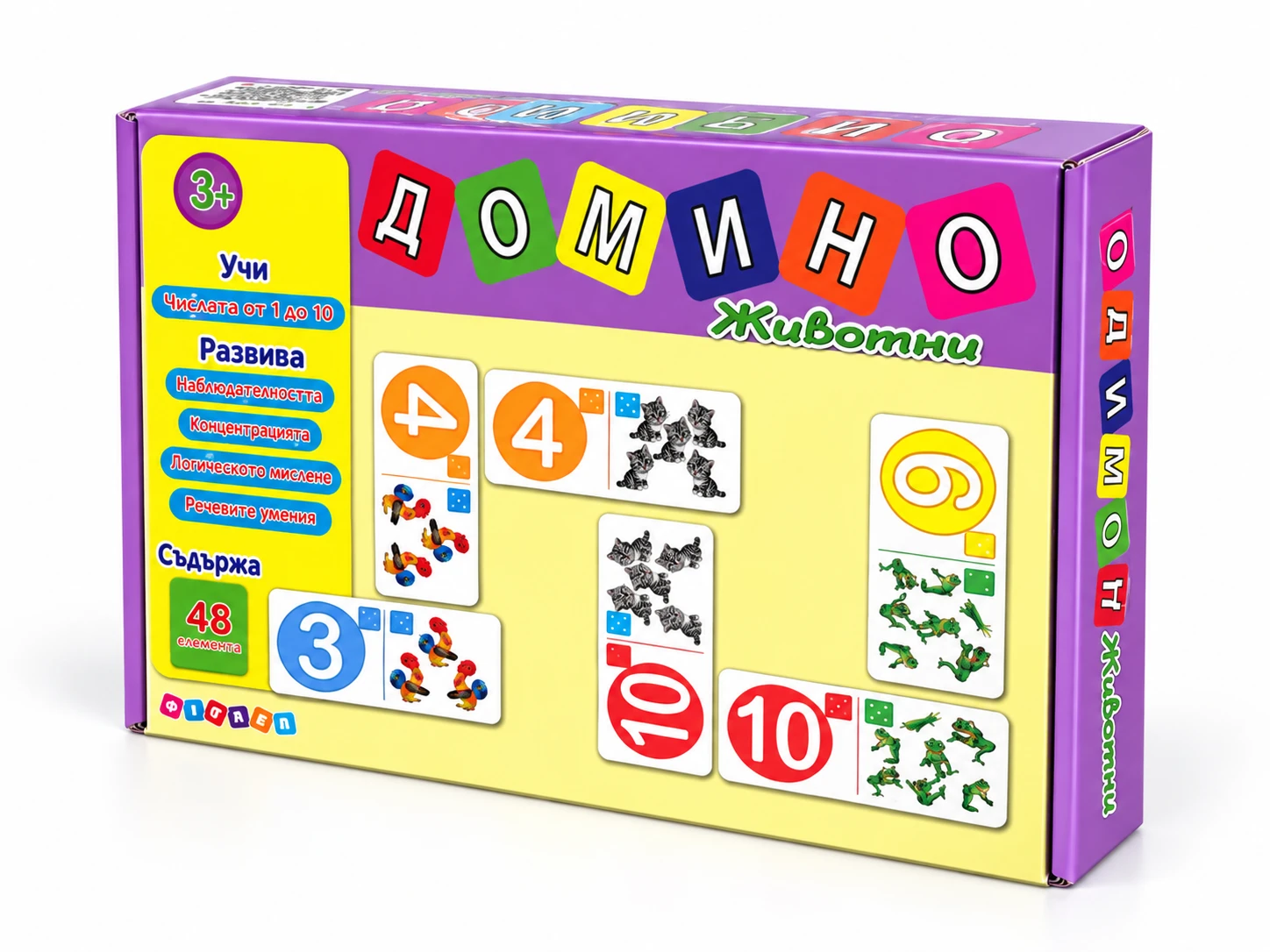
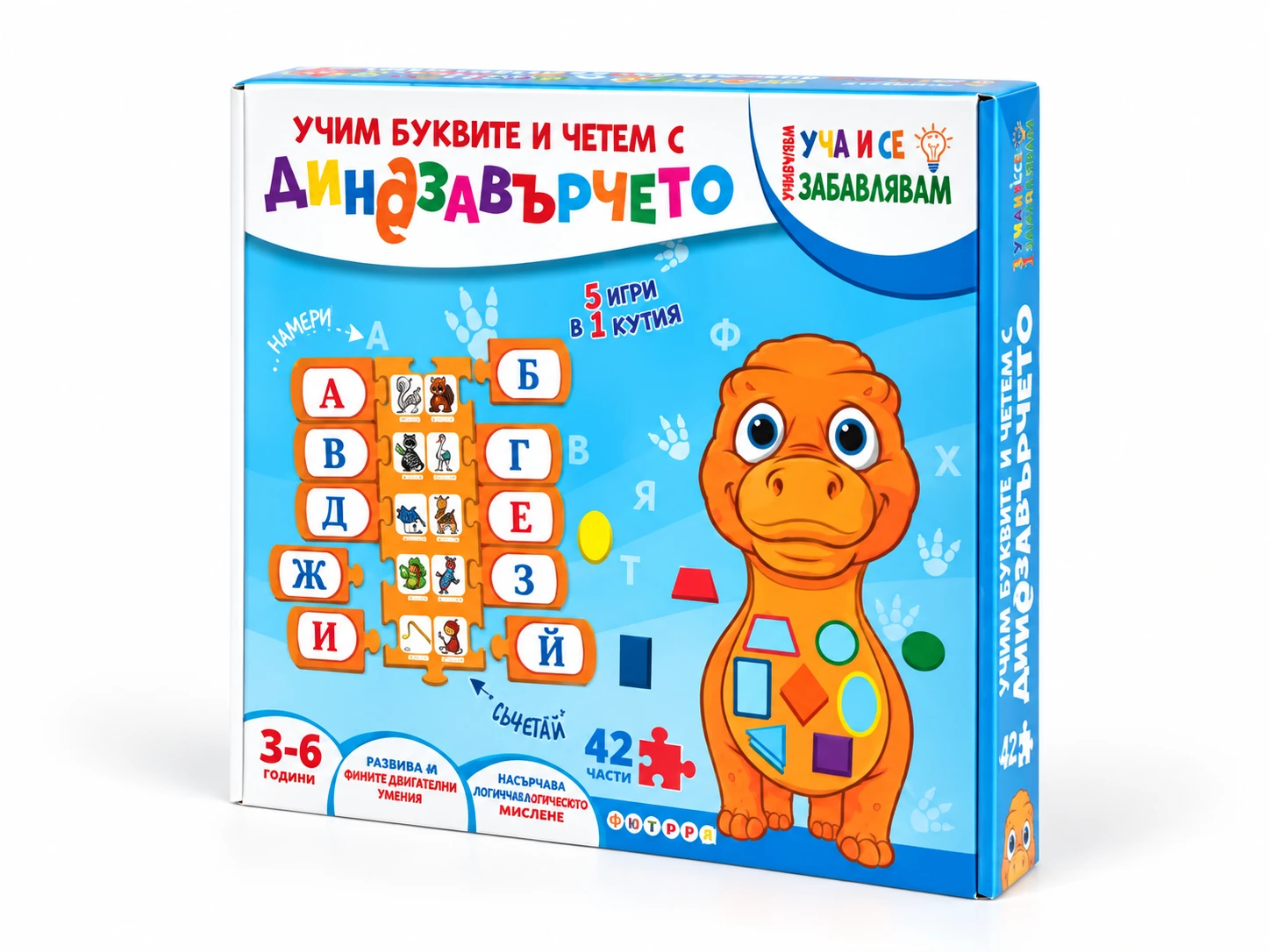
See how you can support your child's development: https://otmamazamami.com/komplekti/