



Play That Develops: Practical Activities by Age, Without the Pressure
12 min read От Мама За Мами
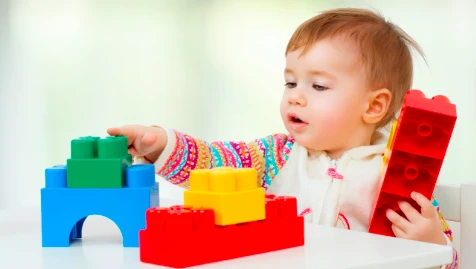
Play isn't just about "filling the time". It's how children learn about the world, and how we get to connect with them, without turning into full-time entertainers. Because real life is loud, tiring, and fuelled by coffee grabbed in three sips, I've put together activities below that are easy to do at home, cheap, and genuinely developmental, split into activities for little ones (0-3) and preschoolers (3-6).
Paediatricians say something very reassuring: play isn't "frivolous". It supports the brain and skills like self-control and focus.
And there's a "mysterious" principle in child development that's actually the most natural one of all: "serve and return", where the child "serves" (a look, a sound, a gesture) and the adult "returns" it (a response, a word, a smile). This back-and-forth "rally" is linked to the way brain connections are built.
And one more very practical point: the World Health Organization stresses that young children need safe, play-based physical activity, and that "sedentary" time should be quality time, such as reading, storytelling, singing, puzzles, not just screens.
What reassures me most is this: the early years are a foundation, not just for "skills", but for wellbeing and connection.
(age range: 0-3 years)
Before we start: at this age, "progress" is often about tiny things, ten more seconds of focus, one new little sound, one "more!". Play at this stage is gentle and short: 3-10 minutes is plenty.
What it's for: connection and "serve and return" in its purest form.
Develops: attention, language, social interaction.
How (steps): 1) get down to your child's level; 2) wait for them to "serve" (a look/sound/gesture); 3) "return" it with a brief response; 4) repeat 5-10 times.
If it's not working: stop "quizzing" and just describe what your child sees or does; reduce stimulation (TV/phone).
What to say: "I see you. You're showing me…" / "Oh, you heard that!"
Sign you're making progress: your child starts seeking out your gaze more often or repeating a sound/gesture.
Tummy time as an adventure
What it's for: building body strength, preparing to crawl.
Develops: neck/back strength, coordination, arm support.
How: 1) place your baby tummy-down on a firm, safe surface; 2) lie down facing them; 3) show them a high-contrast toy slowly; 4) stop before they get upset.
What you'll need: a high-contrast book/toy, a blanket.
Time: 1-3 minutes, several times a day; for babies who aren't yet mobile, the goal is often at least 30 minutes total per day, spread out.
If it's not working: try it on your chest instead (more soothing); change locations; keep it very short but frequent.
What to say: "Here I am. I'm right here."
Sign of progress: holding their head up longer or reaching for a toy.
What it's for: screen-free sensory exploration.
Develops: touch, concentration, curiosity.
How: 1) put 6-10 safe objects in a basket; 2) let your child choose; 3) just name what they pick up.
What you'll need: a wooden spoon, a silicone brush, fabric, a large lid (no small parts!), a cardboard box.
If it's not working: reduce the objects to 3-4; remove the loudest/brightest ones.
What to say: "This is smooth… this is noisy…"
Sign of progress: playing longer with one object instead of switching every second.
What it's for: the "magic" of cause and effect.
Develops: coordination, patience, early maths (more/less).
How: 1) give your child two bowls; 2) add large, safe items (big building blocks/pompoms for older children); 3) demonstrate once; 4) let your child take the lead.
What you'll need: bowls, tongs, large items.
If it's not working: use fewer "filler" items; play on a tray/in the bath (easier cleanup).
What to say: "Oops! Full… empty…"
Sign of progress: starting to coordinate both hands or "aim" more accurately.
What it's for: "where did it go?", a skill that builds security.
Develops: object permanence, attention, problem-solving.
How: 1) hide a toy under a cloth; 2) wait; 3) if your child struggles, lift the cloth slightly.
What you'll need: a cloth, a favourite toy.
If it's not working: start by hiding it "halfway"; turn it into peekaboo.
What to say: "Where is it? I think it's here…"
Sign of progress: your child starts searching on their own and enjoys finding it.
What it's for: turning weaning into play, not a battle.
Develops: texture awareness, independence, fine motor skills.
How: 1) offer safe food to touch (banana/avocado/soft-cooked potato); 2) serve small portions; 3) allow "mess".
What you'll need: a bib, a mat, a baby spoon.
Time: 10-20 minutes (as part of an actual meal).
If it's not working: go back to one bite plus a pause; don't persuade, just offer.
What to say: "It's your choice. I'm here."
Sign of progress: your child reaches for food on their own or tries a new texture without a fuss.
What it's for: first steps toward understanding "how I feel".
Develops: emotional vocabulary, self-regulation.
How: 1) stand in front of a mirror together; 2) make a "happy face"; 3) then a "surprised" one; 4) let your child take the lead.
If it's not working: try it with a doll instead; don't push it.
What to say: "This is 'angry'. This is 'calm'."
Sign of progress: your child starts pointing to/imitating an expression or using a sound for an emotion.
What it's for: movement and body confidence.
Develops: gross motor skills, balance, spatial awareness.
How: 1) make a "tunnel" from a blanket draped over chairs; 2) put a toy at the far end; 3) encourage your child to crawl through.
What you'll need: chairs, a blanket, cushions.
If it's not working: start with a wider "tunnel"; go through it first yourself.
What to say: "I'm here. Come to me."
Sign of progress: going through more confidently, stopping less.
What it's for: language and focus, without pressure.
Develops: vocabulary, attention, "joint attention" (looking at the same thing together).
How: 1) choose a book with clear pictures; 2) point to one object; 3) say one word; 4) repeat, without "testing" your child.
If it's not working: let your child turn the pages; you just narrate.
What to say: "Cat. Meow." / "The car goes vroom."
Sign of progress: pointing, turning pages, repeating a sound/word.
What it's for: self-control as a game.
Develops: listening, impulse control, joy.
How: 1) put on some music; 2) dance together; 3) stop the music and say "stop"; 4) start again after 2 seconds.
What you'll need: music/a phone (for music only).
If it's not working: keep the "stop" very brief; praise the effort, not the success.
What to say: "You stopped! Well done, your body is listening."
Sign of progress: stopping more quickly or waiting for you to say "go".
Games for preschool age
(age range: 3-6 years)
This is where the "big magic" appears: imagination. At preschool age, the process of play matters in its own right, your child adapts, invents, tries things out.
What it's for: social skills and language.
Develops: conversation, turn-taking, maths (counting), self-confidence.
How: 1) set up "goods" (fruit/empty packaging); 2) set up a "till"; 3) take turns playing shopkeeper and customer; 4) add a "rule" (e.g. 3 items).
What you'll need: bags, empty packaging, coins/buttons.
If it's not working: start as the customer yourself; don't correct your child, follow their lead.
What to say: "How much is this?", "Can you help me?"
Sign of progress: your child starts using "please/thank you" or forming longer sentences.
The "What happens next?" story game
What it's for: thinking and language.
Develops: sequencing, prediction, speech.
How: 1) read one page; 2) stop; 3) ask "what do you think happens next?"; 4) accept every answer.
If it's not working: offer a choice: "A or B?" instead of an open question.
What to say: "Tell me your version."
Sign of progress: answering with more than one word; starting to use "because".
What it's for: planning and patience.
Develops: fine motor skills, executive function (planning/control).
How: 1) agree on a "plan" (a tower of 10 blocks); 2) build it together; 3) if it falls, "restart without drama".
What you'll need: blocks/building set.
If it's not working: lower the target; make it "my turn/your turn".
What to say: "Let's try again. It's okay."
Sign of progress: less frustration/more attempts after a setback.
What it's for: movement and attention.
Develops: categorisation, concentration, language.
How: 1) say "find 3 green things"; 2) then "round things"; 3) then "soft things".
If it's not working: start with one object; give an example.
What to say: "How did you know it was green?"
Sign of progress: finding things faster; starting to suggest categories on their own.
What it's for: independence and getting involved, without battles.
Develops: coordination, following instructions, confidence.
How: 1) washing a piece of fruit; 2) stirring a salad/porridge; 3) arranging it on a plate.
What you'll need: a bowl, a spoon, safe foods.
If it's not working: give one task only (just stirring); praise the effort.
What to say: "You're my little helper."
Sign of progress: wanting to help again; following steps in order.
Play dough for finger strength
What it's for: preparing for writing and fine motor skills.
Develops: finger muscles, concentration.
How: 1) squish it; 2) roll balls; 3) flatten it; 4) make "snakes".
What you'll need: play dough, sticks, bottle caps.
If it's not working: start with a softer material; keep it short.
What to say: "Show me your longest snake!"
Sign of progress: a better grip; holding attention for longer.
What it's for: emotional literacy.
Develops: empathy, naming feelings, self-regulation.
How: 1) choose a character; 2) ask "how are they feeling?"; 3) ask "what would help them?"
If it's not working: start by sharing an example of your own.
What to say: "If you were their friend, what would you say?"
Sign of progress: your child starts naming "angry/sad/worried" instead of just exploding.
What it's for: social skills and self-control.
Develops: patience, rules, "mine/yours".
How: 1) play a memory game or a dice game; 2) set clear rules; 3) keep rounds short.
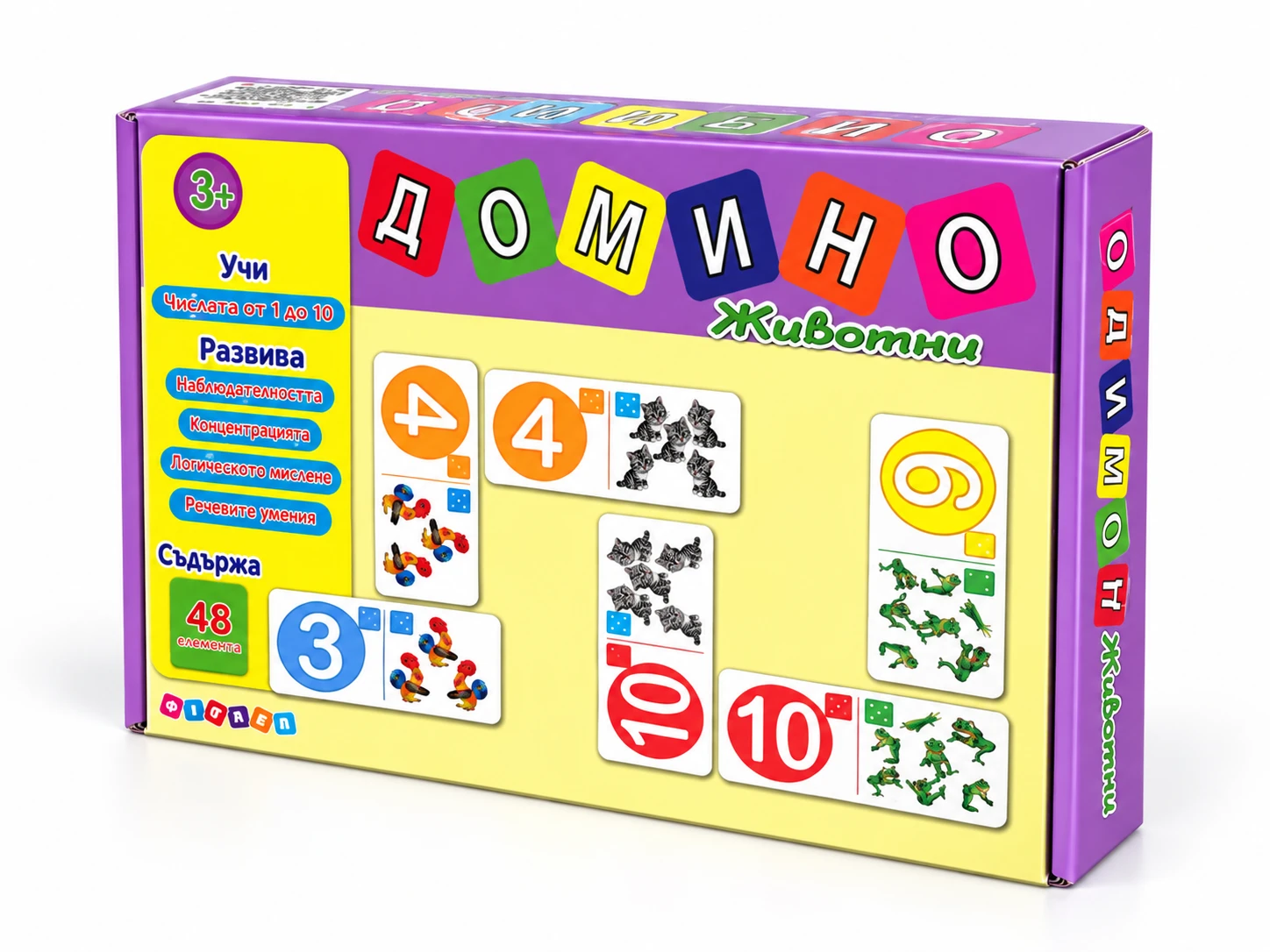
What you'll need: cards/dice/dominoes.
If it's not working: shrink the game to 5 minutes; the "win" is staying calm.
What to say: "It's your turn now. Then mine."
Sign of progress: interrupting less often; accepting a loss more easily.
What it's for: body awareness, confidence, movement.
Develops: balance, coordination, strength.
How: 1) tape on the floor as a "bridge"; 2) walk along it; 3) carry an object across.
What you'll need: tape/string, a small cushion.
If it's not working: make the "bridge" wider; simplify the task.
What to say: "Slow like a cat…"
Sign of progress: stepping off the line less often; more confidence.
What it's for: curiosity and early science.
Develops: observation, forming hypotheses, language.
How: 1) a basin of water; 2) 5 objects; 3) ask "before we drop it in, what do you think will happen?"
What you'll need: a basin, a spoon, a small stone, a bottle cap, a sponge.
If it's not working: use fewer objects; try ice too (with supervision).
What to say: "You predicted it! How did you know?"
Sign of progress: starting to "predict" and explain.
How to play without burning out
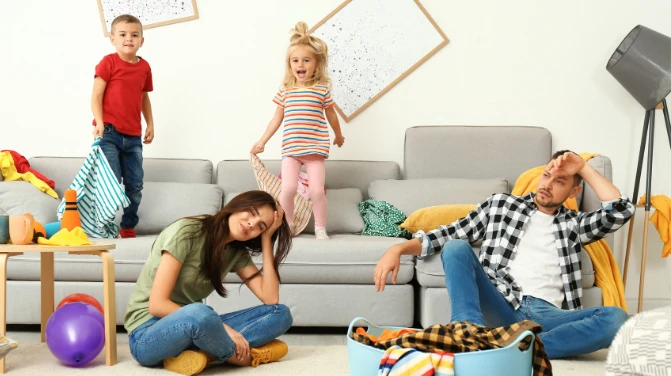
Sometimes the hardest part of playing isn't the child. It's our own exhaustion. And what you need here isn't another "should". You need permission for it to be enough.
Here's how to look after yourself as a parent:
Make play sessions short and regular, rather than rare and elaborate. 10 minutes a day is worth more than 1 hour once a week.
Go in with "one job": to connect, not to teach.
When you feel yourself about to snap: pause, breathe out, drop your shoulders. Sometimes that's the whole day's progress right there.
Use the "serve and return" principle for yourself too: your child gets activated, you respond with presence, not control.
And if you need one phrase to hold the boundary:
"We're together for 10 minutes now. Then mum needs a rest."
A boundary isn't coldness. A boundary is care.
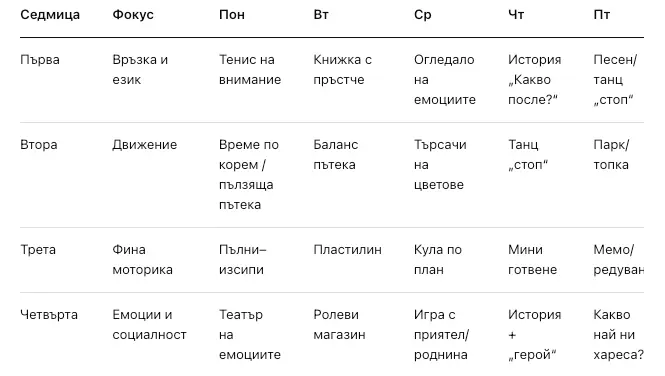
Sample four-week plan and checklist
The idea is simple: 4 weeks, 10-20 minutes a day, no heroics required. The days are just a suggestion, adjust them to fit your routine.
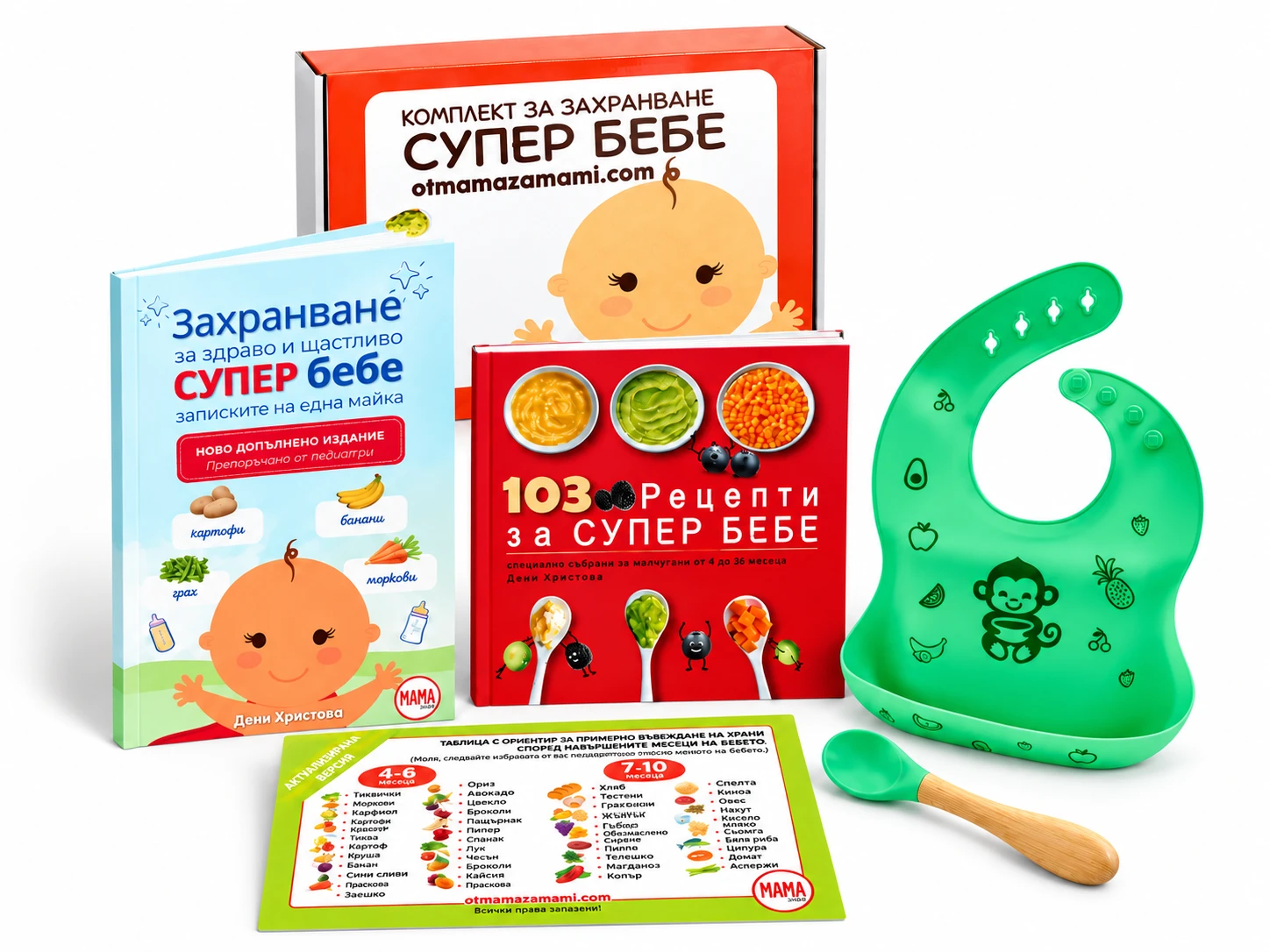
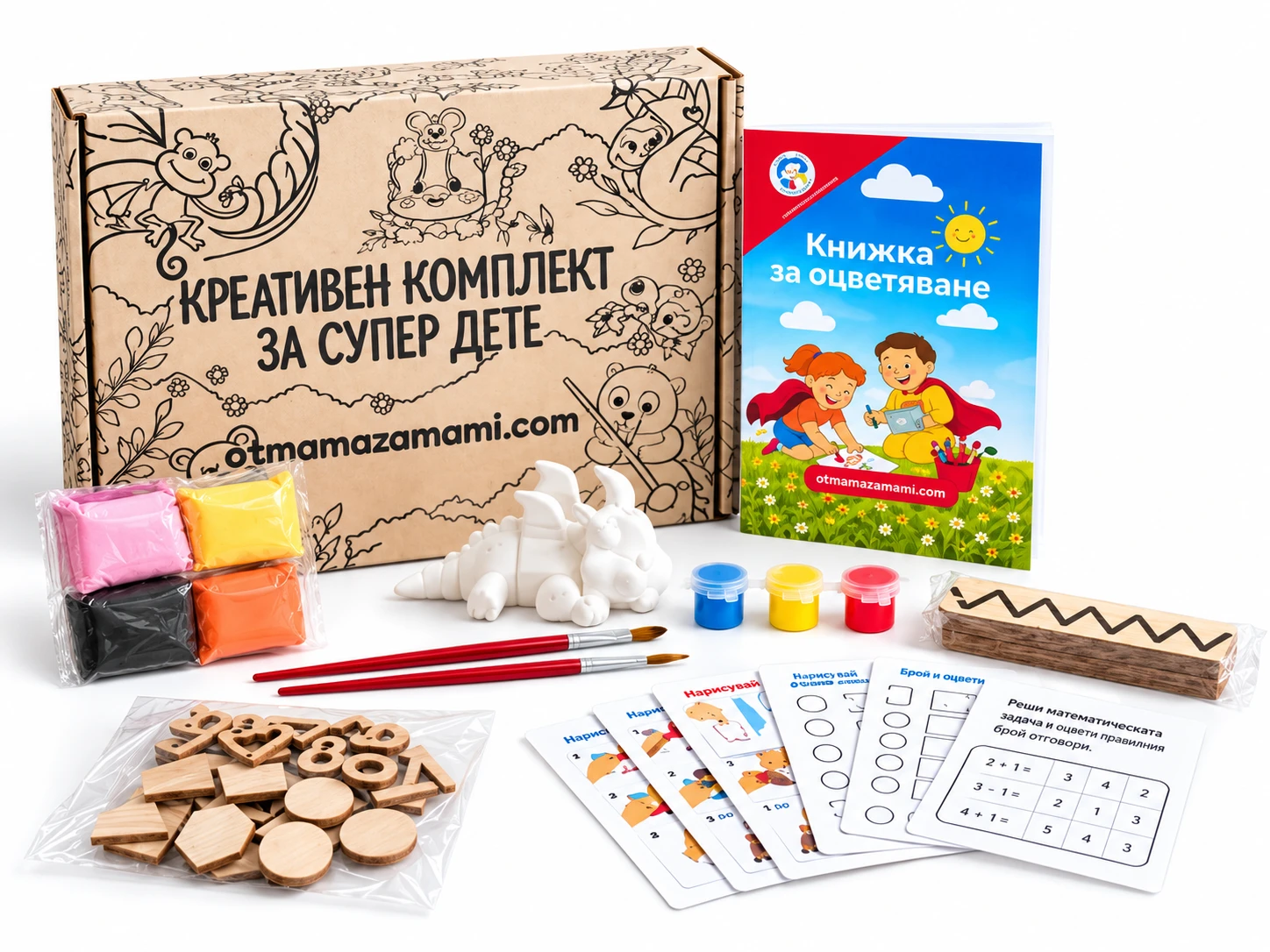
See how you can support your child's development: https://otmamazamami.com/komplekti/