







Isn't Your Child Talking Yet? Here's What You Should Know
3 min read От Мама За Мами

"She only says 'mum' and 'no'..."
"The neighbour's child can already count to ten."
"And mine's two and just mutters - is that normal?"
Speech development is one of the topics that worries parents most, and rightly so: language is how children connect, express themselves and engage with the world. But the truth is that talking doesn't happen on a schedule, and every child has their own pace.
Sometimes it happens gradually: one word, then two, then a full sentence. Other times it seems to stall, then suddenly bursts forward. That doesn't mean something's wrong. It means a complex process is unfolding in the child's body and brain that isn't always visible from the outside. Some children are more expressive, others more observant. Some talk earlier, others wait and then catch up with ease.
The reasons behind "slower" speech can vary: temperament, family dynamics, older siblings who "talk for them", a bilingual household, or simply needing more time to process internally. A child who isn't yet stringing sentences together doesn't mean they don't understand or think. They just aren't ready to turn thoughts into words yet.
Parents often worry they've "fallen behind" or missed an important milestone. But what matters more than age is whether the child is communicating, even without words. Do they make eye contact? Do they point? Do they make sounds to get a message across? Are they trying to connect? In the early stages, these signals often matter more than the words themselves.
What can we do to support speech development?
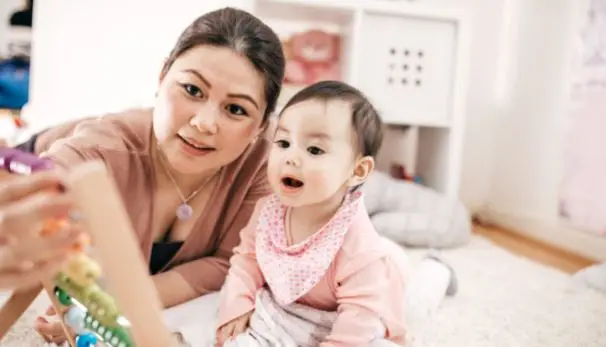
Most of all: talk. Describe what you're doing. Repeat things happily and without pressure. Use simple sentences and rhymes. Read picture books, point things out, smile, and wait. The strongest motivation for a child to start talking is feeling understood, and feeling they have something worth saying.
Of course, if a child genuinely isn't using any words after two to two and a half years, doesn't respond to their name, or shows no interest in connecting with others, it's worth checking in with a specialist, not out of fear, but for peace of mind. In most cases, though, this isn't a problem at all, just an individual path. And just as a flower doesn't bloom on command, words arrive when a child is ready.
See how you can support your child's development and bring more harmony to your family by joining the community of all Super Parents, because being a confident parent is a set of skills, and shared experience is the most valuable thing of all: https://superroditeli.com/