








Nurturing Creativity in Our Children: Unleashing the Power of Imagination
8 min read От Мама За Мами
As parents, we believe in the importance of nurturing our children's creativity. By encouraging their imagination, we help them develop valuable skills, foster self-expression and inspire a lifelong love of learning. Join us as we explore the wonderful world of nurturing creativity in our little ones.
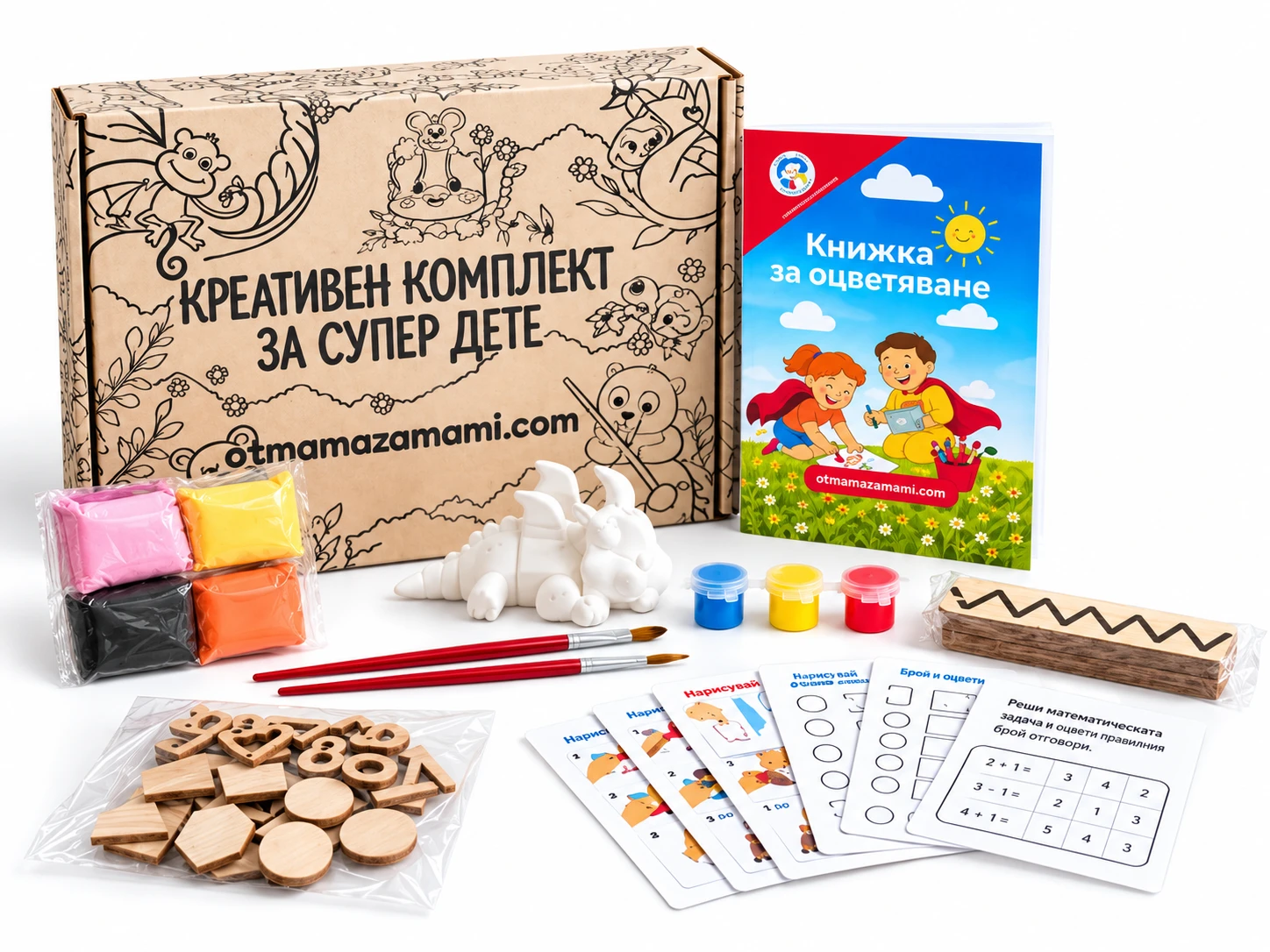
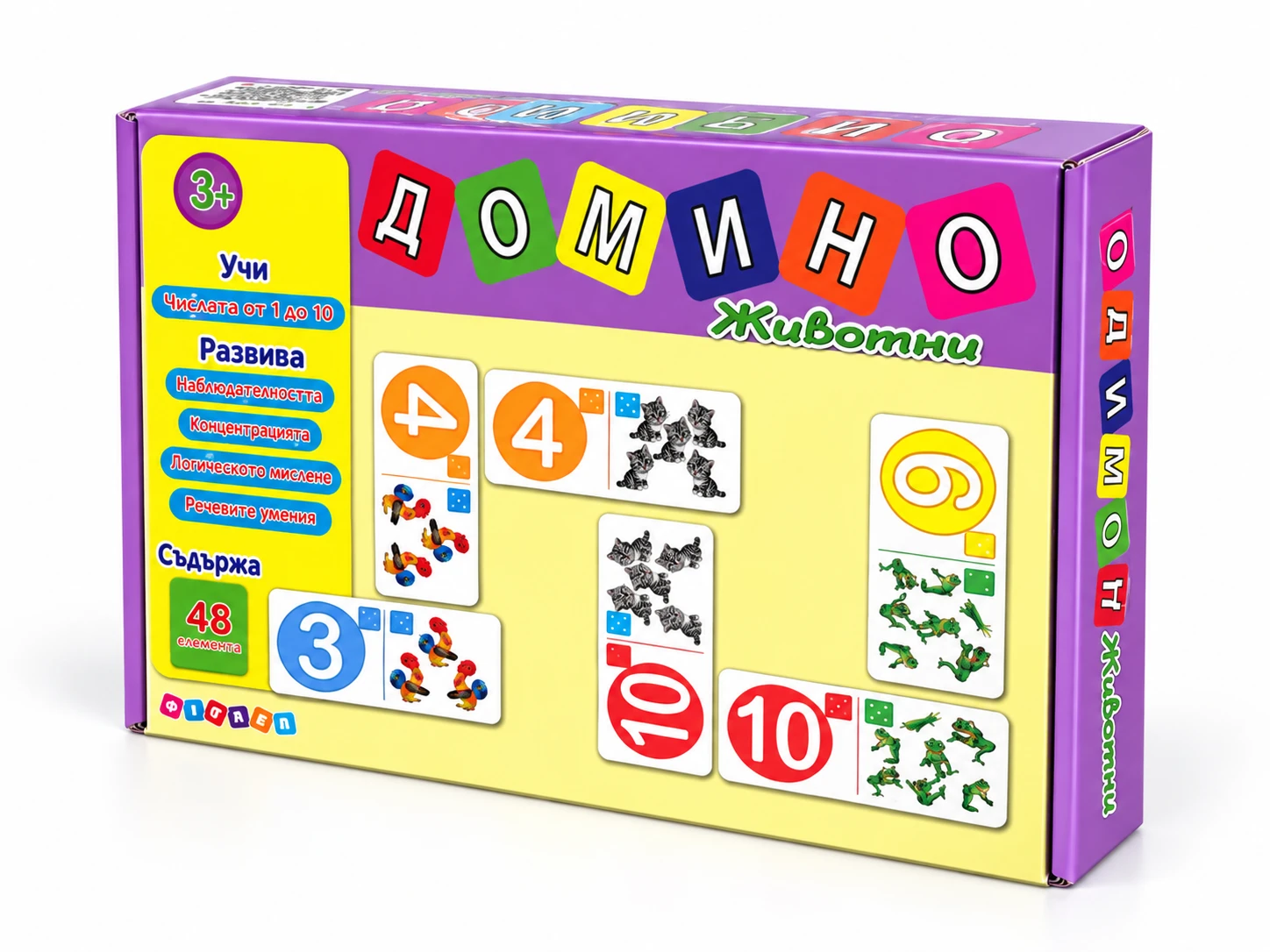
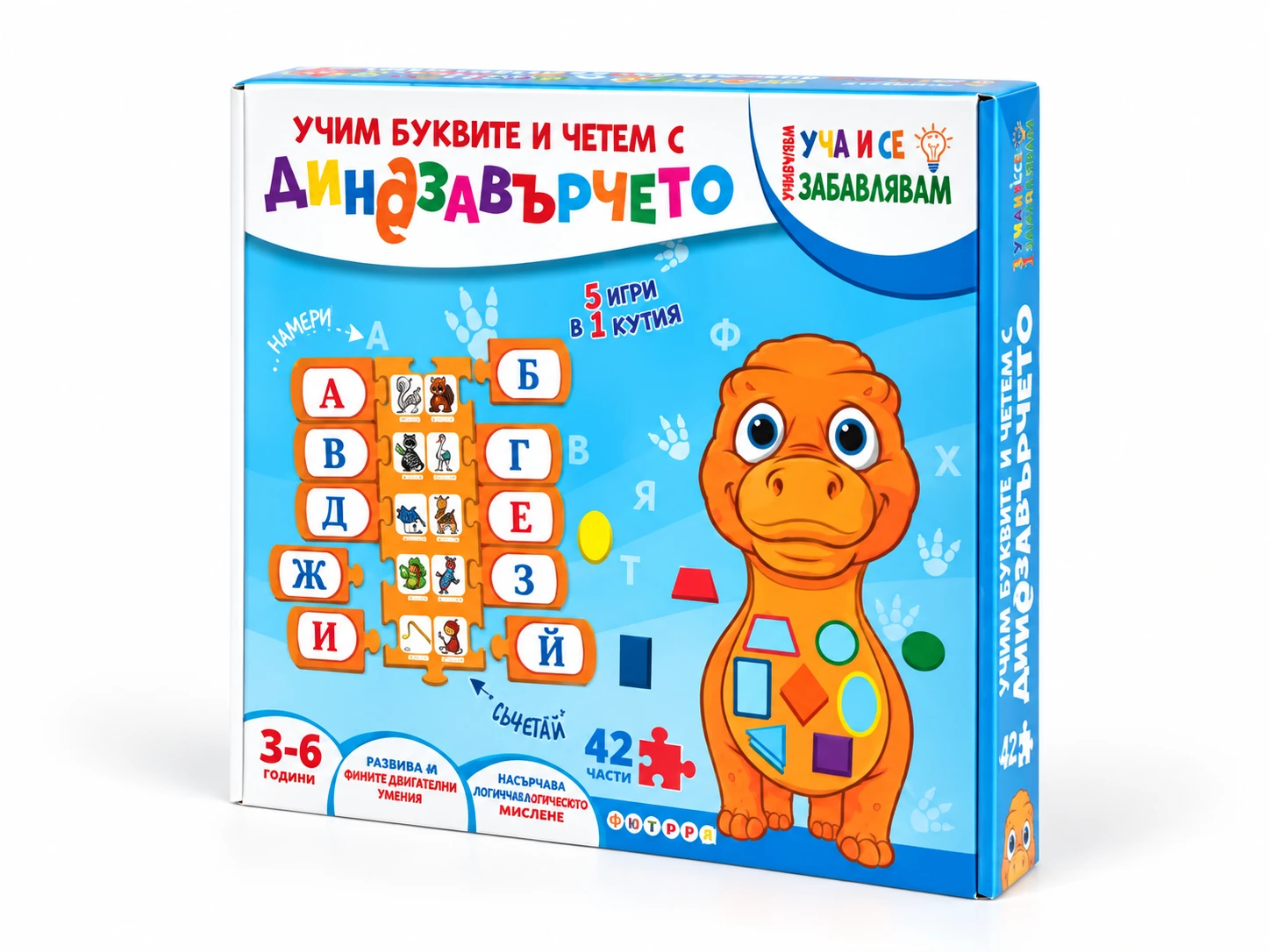
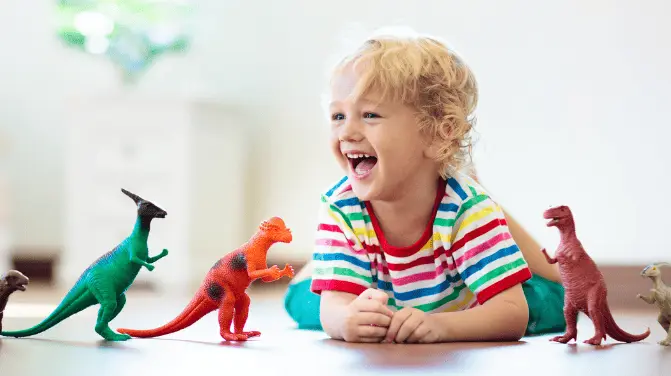
Embrace open-ended play: We've found that providing opportunities for open-ended play is key to unlocking our children's creativity. From building blocks to art supplies, we encourage them to explore and create without limits. This lets their imagination run wild as they invent stories, build unique structures and express their ideas freely.
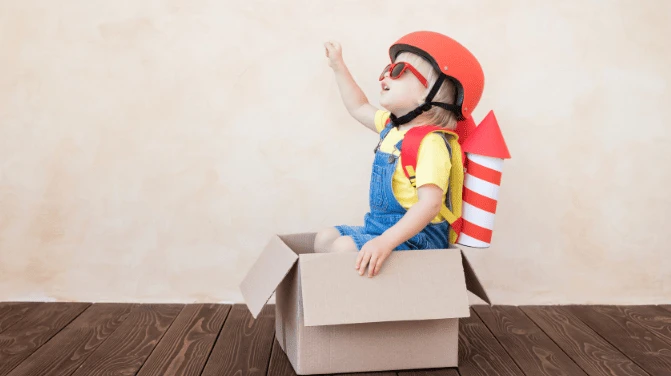
Encourage pretend play: Pretend play is a powerful tool for nurturing creativity. We love watching our children transform into characters from their favourite stories or dream up imaginary worlds. By providing dress-up clothes, props and play sets, we support their imaginative journeys and get to see their creativity in action.
Create a creative space: We've set aside a corner of our home as a creative space, filled with art supplies, books and musical instruments. Having this dedicated area encourages our children to take part in spontaneous creative activities and gives them easy access to materials that inspire their artistic expression.
Celebrate their uniqueness: We understand the importance of celebrating our children's unique ideas and creations. By valuing their individuality, we empower them to trust their creative instincts and embrace their own style. We proudly display their artwork, share their stories and encourage them to pursue their passions.

Experience the arts: We expose our children to different art forms, such as visiting museums, attending performances and exploring different musical genres. These experiences broaden their horizons, inspire their creativity and spark their curiosity about the world around them.
Encourage journaling or storytelling: We provide journals or notebooks where our children can freely express their thoughts, ideas and stories. By encouraging them to write or draw, we support their language development and give them a platform to explore their imagination through words and illustrations.

Explore nature: We believe that connecting with nature sparks our children's creativity. We take them on outdoor adventures, such as nature walks, camping trips or visits to botanical gardens, where they can observe the beauty of the natural world and find inspiration for their artistic creations.
Bring in music and dance: Music and dance offer a unique outlet for creative expression. We encourage our children to explore different instruments, dance styles and rhythmic movements. We play different musical genres at home and dance together, which lets them discover their own sense of rhythm and movement.

Support inventive play: We provide materials such as cardboard boxes, fabric scraps and recyclable items to inspire our children to transform them into something new. This kind of play builds resourcefulness, problem-solving and innovative thinking, as they turn everyday objects into imaginative creations.
Collaborative art projects: We organise collaborative art projects where our children can work together on a bigger piece of art. This encourages cooperation, communication and the joy of creating something as a team. It also teaches them to appreciate different viewpoints and ideas.
Encourage questions and curiosity: We actively encourage our children to ask questions and explore what interests them. By nurturing their sense of wonder, we inspire their creativity and cultivate a love of learning. We take part in conversations, provide answers and encourage them to seek out knowledge and make connections between ideas.
Introduce technology with care: While technology can be a valuable creative tool, we need to approach it carefully. It's best for children up to around age 3 to be kept away from screens as much as possible. Once we decide it's time to introduce some screen time for our little one, we need to be very careful about the programmes, videos, channels and content we choose. Duration matters just as much, and children shouldn't spend long stretches of time in front of a screen. We choose age-appropriate educational apps, interactive storytelling platforms and creative software that help our children grow and learn new, useful facts.
Outdoor artistic exploration: We take our children outdoors to explore different art forms. From chalk drawing on the pavement to nature-inspired crafts, we encourage them to use natural elements like leaves, rocks and flowers in their artwork. This connection with the environment fosters a deeper understanding of nature and encourages them to think creatively with unconventional materials.
Cultural experiences: We expose our children to a wide range of cultural experiences to broaden their creative horizons. We visit art exhibitions, attend cultural festivals and explore traditional crafts and music from different cultures. This exposure to different artistic traditions sparks their curiosity and encourages them to bring a global perspective to their creative pursuits.
Problem-solving art challenges: We give our children art challenges that call for creative problem-solving. For example, we might give them a set of materials and ask them to build a structure using only those items. These challenges encourage them to think outside the box, experiment and find innovative solutions, sharpening their creative thinking skills.
Document their creativity: We create a space to display our children's creative work. Whether it's a bulletin board, a digital portfolio or a dedicated shelf, showcasing their artwork and creations validates their efforts and boosts their confidence. It also serves as a visual reminder of their growth and progress over time.
Encourage risk-taking: We encourage our children to take risks and step creatively outside their comfort zones. This might mean trying a new art technique, experimenting with different media or tackling a more complex project. By embracing challenges, they learn resilience, adaptability and the joy of pushing their creative boundaries.
Engage in storytelling: We encourage storytelling skills as a means of creative expression. We encourage our children to create their own narratives, whether through oral storytelling, puppet shows or illustrated storybooks. This lets them develop their imagination, language skills and their ability to communicate their ideas effectively.
Treat mistakes as learning opportunities: We emphasise that mistakes are an integral part of the creative process. When our children make artistic "mistakes," we encourage them to see these as valuable learning opportunities. By embracing imperfection, they build resilience, learn problem-solving skills and become more open to taking creative risks.
Support their artistic interests: We actively support our children's artistic interests by enrolling them in art classes, joining community art programmes or providing resources for the specific art forms they're passionate about. This support not only nurtures their talents but also shows them we believe in their creative abilities.
Nurturing creativity in our children is a journey filled with joy, self-expression and endless possibilities. By embracing open-ended play, providing creative spaces, exposing them to diverse art forms and celebrating their unique expressions, we empower them to become imaginative, innovative and confident individuals. Let's keep nurturing their creative spirit and witness the beauty they bring to the world through their creative endeavours.
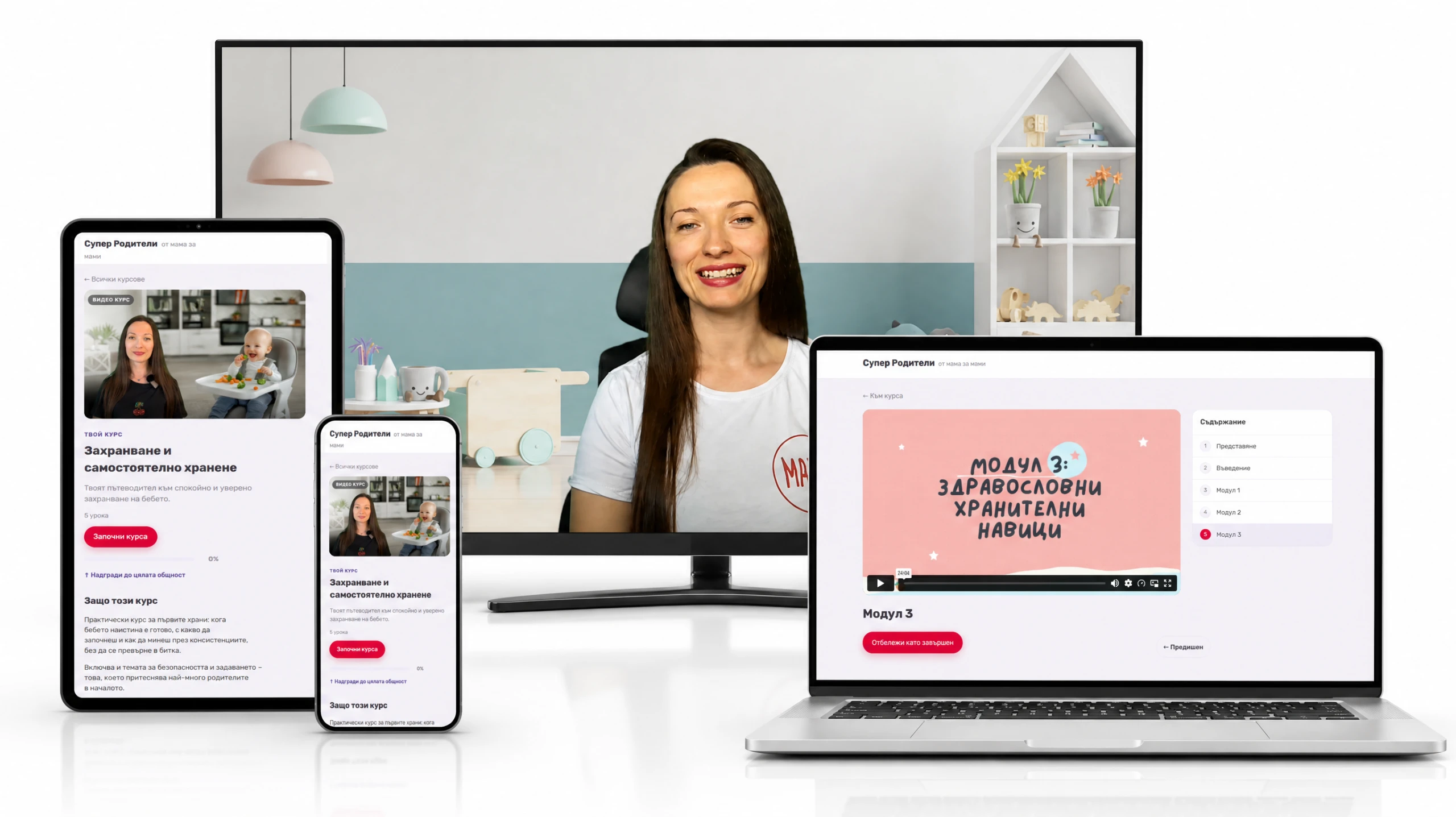
See how you can support your baby's development from their very first year: https://otmamazamami.com/pomagalo-super-bebe/pomagalo-super-bebe