









Why Does Everything Suddenly Seem to Go Backwards? Regressions in Young Children
6 min read От Мама За Мами

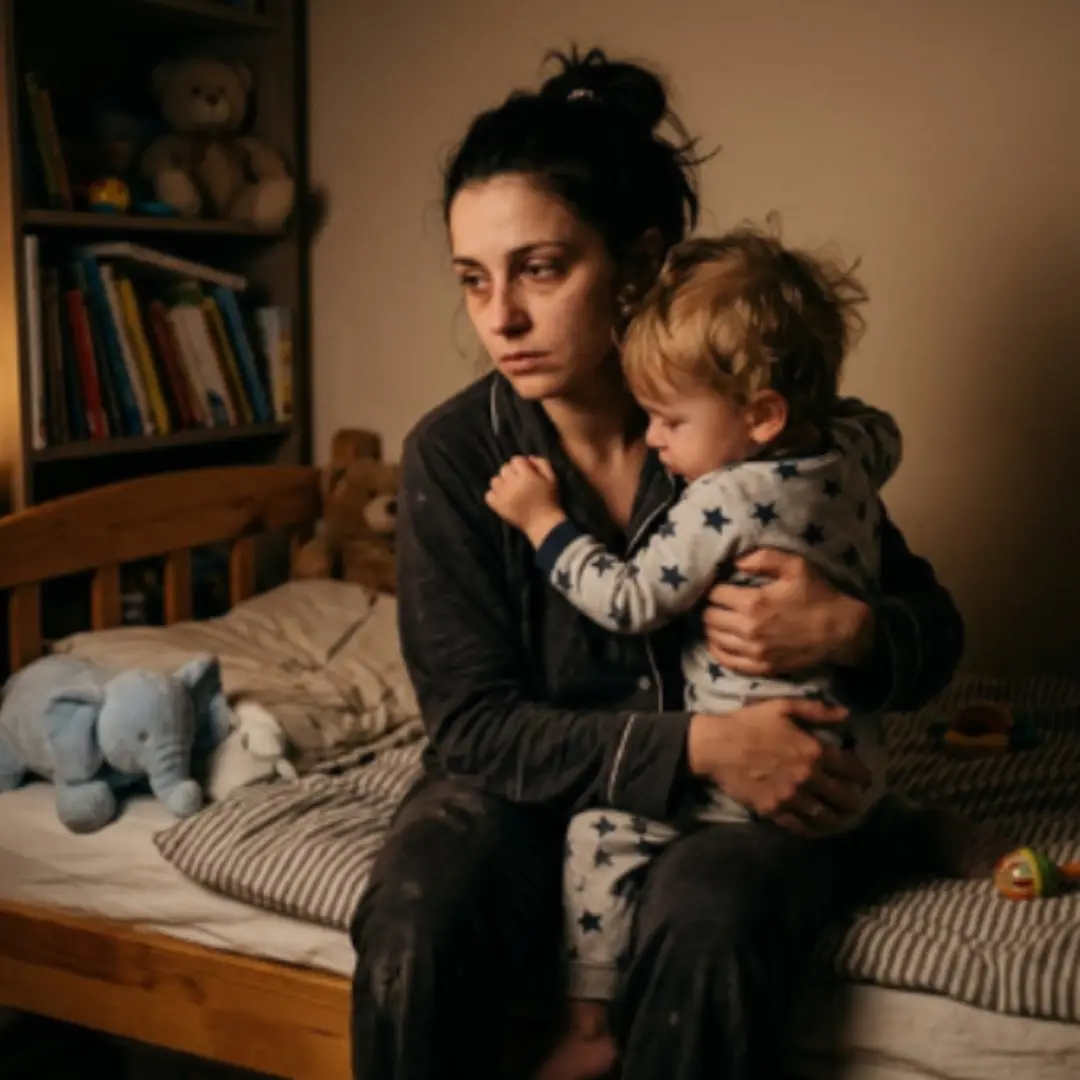
There's a moment in parenting that almost every family goes through. After days, weeks or even months of finally feeling a bit settled, things suddenly change. The baby who'd started sleeping better begins waking frequently again. The toddler who used to settle happily with someone else suddenly clings to you and cries at every goodbye. The little one who'd started eating more easily refuses their food and wants only what's familiar.
In such moments, many parents start to wonder if they've done something wrong. They look for a cause, try changing the routine, adjust habits, or worry that something has gone wrong. But the truth is that very often this isn't a problem at all. It isn't spoiling, stubbornness or the "undoing" of habits you'd already built. In many cases, what you're seeing is what's known as a "regression" - a completely natural stage that's simply part of development.
As odd as it sounds, sometimes a step that looks like going backwards comes right before a big step forward.

What are these regressions, really?
When we hear that a child is "going backwards", we often picture them losing skills they've already mastered and sliding back down. It can feel like starting from scratch - as though sleep has changed again, habits you've spent months building have suddenly vanished, or your child is asking for help with things they managed alone just yesterday. This is exactly what confuses parents most, because it feels as though something has unexpectedly changed and everything you'd achieved is slipping away.
In reality, children's development almost never moves in a straight line. It isn't like a ladder, where a child climbs one rung after another without hesitation or pause. It's more like waves - calmer stretches followed by moments of big change, and then a new stage, a new skill, or a new way of seeing the world around them. That's what makes development so wonderful, and so confusing for parents, because sometimes, right before a leap forward, comes a moment that looks like a step back.
In the first years of life, children change at an extraordinary pace. In a very short time, a baby doesn't just grow physically - they start to see the world in a completely different way. New movements are mastered, new sensations build up, and there's more emotion, more understanding and more awareness of what's going on around them. In just a few weeks, a child can start noticing people differently, spotting new connections between events, and experiencing the world far more intensely.
All of this is an enormous amount of work for such a small person. And when so much is happening inside a child at once, it's entirely natural for them to look for more security and more support. That's why, during these periods, we often see a greater need for closeness, more wanting to be cuddled, stronger clinging to mum, or a return to habits that feel calm and predictable. This isn't a sign that your child is losing skills or that something's gone wrong. It's simply their way of working through a big change happening inside them.
Why does it feel like everything changes overnight?
The most confusing thing about these periods is that they almost always seem to appear out of nowhere. Until yesterday, everything was calm - sleep was lighter, goodbyes were easier, the day had some kind of rhythm. Then, suddenly, there's a day when your child cries more, wakes more often, constantly seeks contact, and it feels as though everything has changed completely.
The reason is that big developmental leaps rarely happen quietly. They bring a flood of new impressions that a small child has to make sense of. Imagine that, in a very short space of time, the world around you starts to feel bigger, louder and far more interesting. Suddenly you notice new faces, new objects, new possibilities. You start to understand more about space, separation, movement and your own wants. For a small child, that's an enormous shift, and it's no surprise that it sometimes shows up as more tension, more crying and a greater need for reassurance.
That's why these periods often bring more night waking, a greater need for contact, and more difficulty with everyday habits. Some children suddenly want help with eating again, others refuse to stay with people they used to feel calm with, and others simply seem more sensitive and easily upset. These changes can feel alarming, but very often they aren't a sign of a problem - they're a sign that something much bigger is happening for your child.
How can we help our child through these regressions?
When we see a sudden change, our natural reaction as parents is to look for a solution. We want to restore the familiar calm as quickly as possible, along with the feeling that we know what's going on again. We start wondering whether we need to change the routine, the bedtime method, feeding, or daily habits. But the truth is that this stage isn't a problem to be fixed. It's a period your child needs to be guided through.
Very often the biggest help doesn't come from a new method or a clever trick. It comes from security. When a child has predictability around them - familiar rituals, closeness, calm, and someone who stays close - getting through this period becomes easier. Sometimes that simply means more cuddles, more patience, or just accepting that, for a short while, your child will need you more than usual. And that isn't spoiling them. It's giving them something to hold onto exactly when their world temporarily feels bigger, louder and a little harder to make sense of.
See how you can support your child's development: https://otmamazamami.com/komplekti/