On Babies and Books
5 min read От Мама За Мами
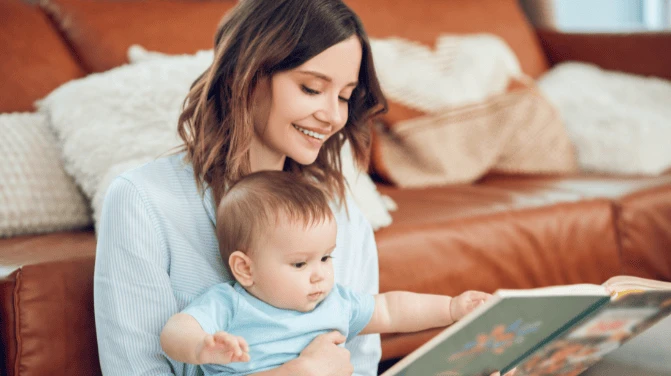
From what age should you read to your baby? When and how should you introduce them to books?
These are just some of the questions that many parents mull over from the very first months after the newest member of the family arrives.
On one hand, our wish to do more things together with our little one pushes us towards buying and reading a book of stories.
On the other hand, we know that babies are still developing their senses - sight, hearing, and the skills to engage with the world and communicate with the people and objects around them. Which raises a bit of confusion: is there any point reading to such a tiny baby, and when, and what reaction should we expect?
When it comes to communicating with your baby and whether reading is worthwhile - it definitely is. It helps us feel more fully connected to our baby, and it has a pleasant effect on them too, hearing the voice of the reading mum or dad.
We can start reading to our baby even while we're still expecting, or we can start once they're born, after day 20, or whenever we fancy and have the time. There's no restriction or downside, so to speak. What's important, though, is for us as enthusiastic parents to understand that our baby's reaction or engagement with us during storytime won't necessarily be enthusiastic or long-lasting.
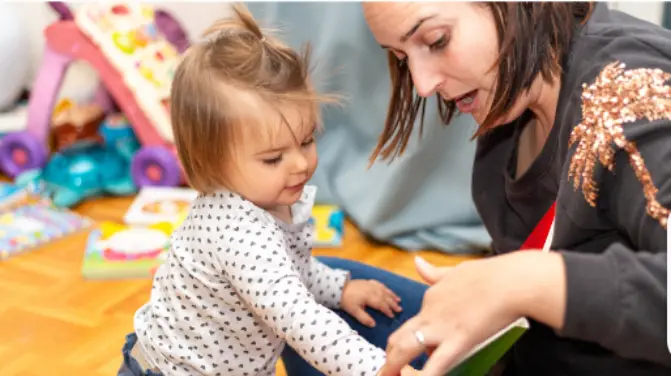
You may have experienced this already, or perhaps not yet: buying a beautifully illustrated book, settling into a comfy spot on the sofa at home with your baby snuggled up, and deciding the next 20-30 minutes will be spent blissfully quiet in the cosiness of the story.
But your little sweetheart, if they're still a newborn, might burst into tears by the fifth minute because their nappy has slipped out of place and won't give them any peace to enjoy your voice.
Or your little one might already be past 6 months, having mastered rolling from front to back and back again, crawling more boldly by the day, sitting up and sliding back down - and all these exciting new skills tempt them so much that by the fifth minute they're already at the other end of the sofa, ready to attempt getting down on their own. Wonderful skills all round, but ones that get in the way of our treasured idea of a magical journey into the world of stories.
So we don't get frustrated or disappointed when we can't even manage 50% of the reading we'd planned, it's worth knowing that a child's attention is a precious resource, but their ability to focus on any activity, game or object improves and develops as they get older. If we decide to read to our child at around a year old, we can expect them to hold their interest in our story for somewhere between 1 and 10 minutes. That's just a rough guide, which of course depends on each child's temperament. It also depends on how engaging and expressive we are as readers - whether we draw them into the adventure or deliver it flatly, and whether we read regularly or only now and then. According to many sources and guides, children become more interested in having stories read to them once they're past the age of 2.
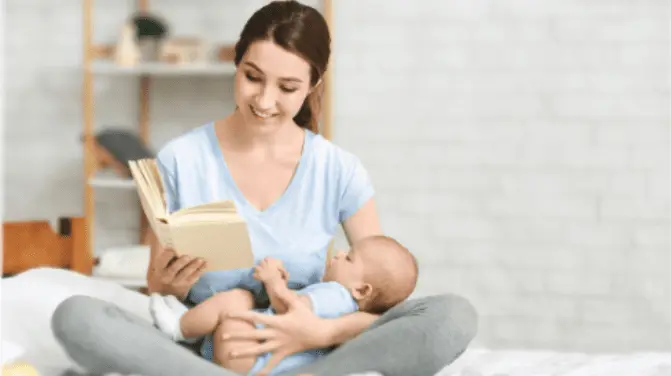
The earlier we start reading, though, even if it's just a few short minutes while our child builds the habit of having a daily reading time, the more they'll come to enjoy this little "stroll" through the world of books. With consistency, a variety of reading material, illustrations and expressive reading, we'll turn storytime into a favourite moment for both our little one and ourselves. Gradually, we'll enjoy longer and longer stretches of genuine attention and interest from our little one towards the chosen story, and before long we'll even be reading more than one, start to finish. :)
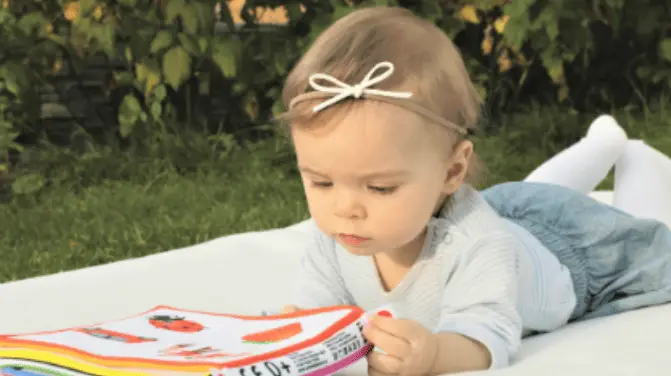
If we decide our baby's first encounters with books should happen in the early months (month 2-6), soft books with big, colourful pictures of animals and everyday objects are a great choice. They're made from safe materials with rounded edges, and some are even suitable for little ones to chew on :) They help make tummy time more varied, encouraging the baby to practise holding their head up when placed in front of them. They also develop focus and eyesight.
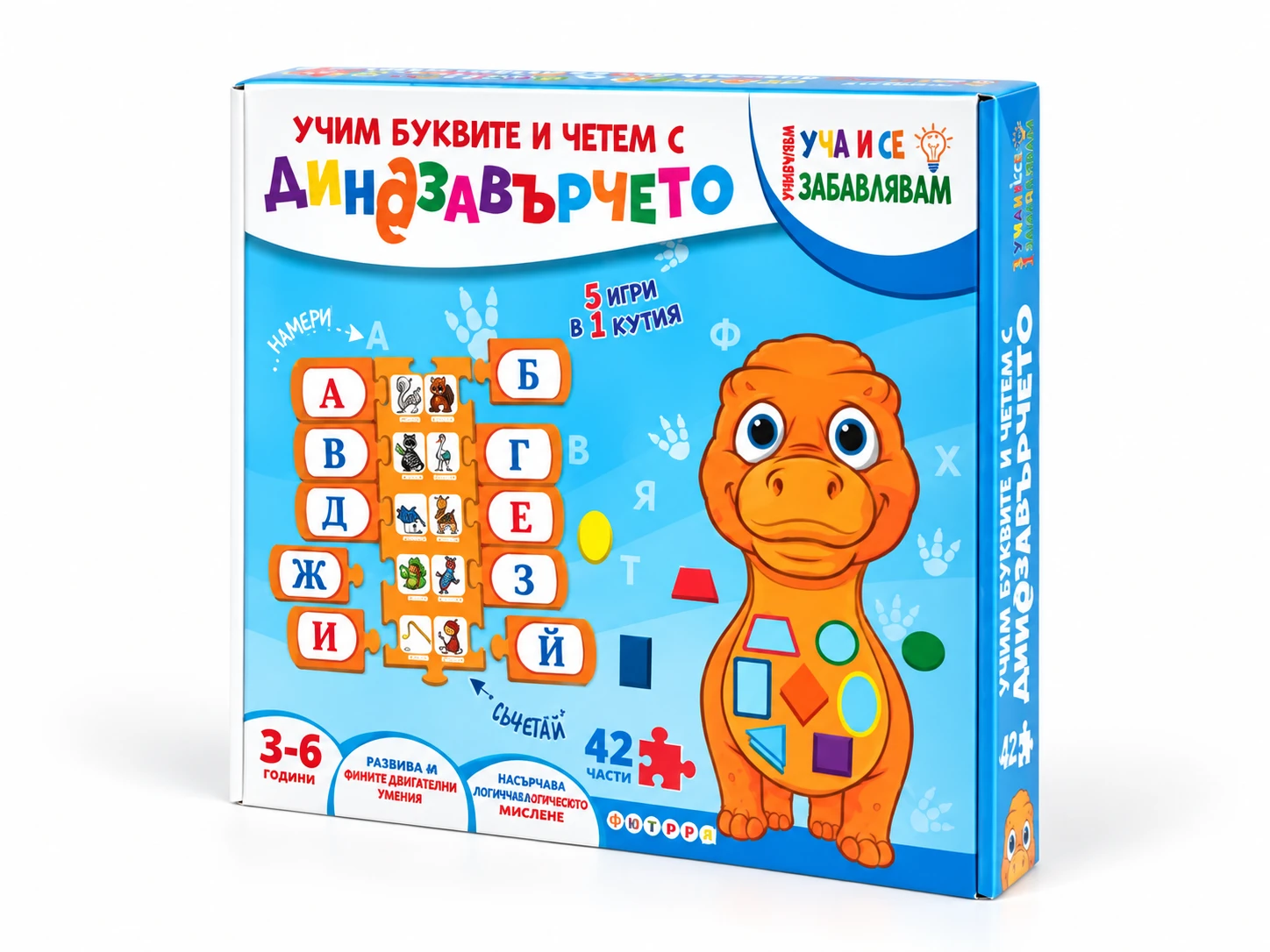
As your baby grows and develops, you can gradually introduce them to puzzle books - these have one large puzzle piece every few pages, which, once collected on the back of the book (usually 4 large pieces in total, to make it as easy as possible for the child, with a parent's help, to put the puzzle together), form an interesting picture of a favourite character or object :) The precision and the desire to put a puzzle together, to turn the pages of a book, and even to bring us a chosen book to read, all develop in the child again through our own consistency in reading to them.
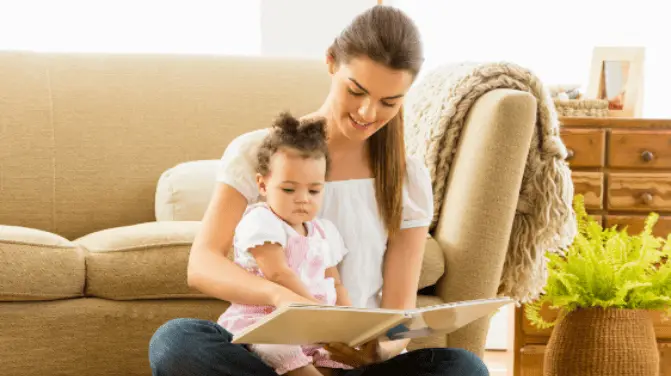
After the first year, we can also grow our home children's library with bigger, more substantial books that appeal to our child, and keep building on the shared joy of storytime at home, every day, snuggled up affectionately together.
See how to support your baby's development right from their first year: https://otmamazamami.com/pomagalo-super-bebe