Why does movement matter for your child's development?
3 min read От Мама За Мами
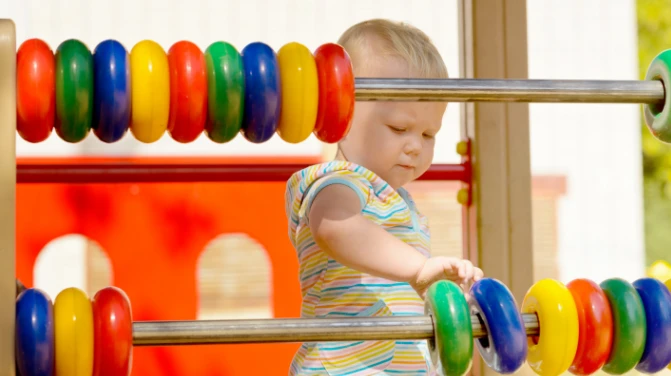
Movement is part of almost everything a baby does and learns. It goes hand in hand with their physical, cognitive, emotional and even language development. Here are some of the key points:
Gross motor skills: When babies take part in physical activities that use the big muscles, such as crawling, walking and running, they develop their gross motor skills. These skills are essential for everyday activities like sitting upright, climbing stairs and carrying things.
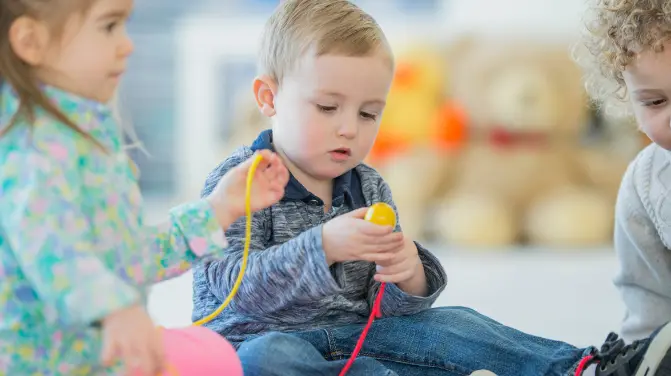
Fine motor skills: Physical activity also helps babies develop fine motor skills, which involve the small muscles in their hands and fingers. As they play with toys and objects, they learn to handle and grip them, which matters for skills like writing, drawing and using cutlery.
Sensory development: Physical activity also helps babies develop their sensory skills. By touching and exploring different textures and objects, they build a better understanding of the world around them.
Spatial awareness: Movement helps babies develop spatial awareness, the ability to understand the relationship between themselves and their surroundings. This helps them learn about their own bodies and how to move around in their environment.
Problem-solving: as babies engage in physical activities, they come across all kinds of challenges and obstacles. They learn to solve problems and find ways to overcome these challenges.
Memory: Movement can also improve a baby's memory. When they repeat certain actions, like reaching for a toy, they build muscle memory that can help with future movements and activities.
Self-confidence: Movement can help babies build self-confidence as they learn to find their way around their surroundings and master new skills.
Independence: As babies engage in movement, they learn to explore their surroundings on their own. This can lead to a sense of independence and self-sufficiency.
Emotional regulation: Physical activity can also help babies regulate their emotions. Being physically active can help release tension.
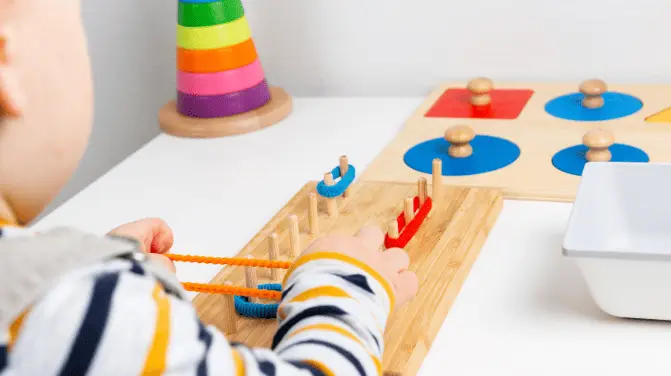
Communication: Movement can make it easier for babies to communicate with the people looking after them. For example, when a baby reaches for a toy, they might make a sound or gesture to show they want it.
Vocabulary: As babies take part in movement, they can pick up new words and concepts, like "up", "down", "over" and "under".
Social development: Movement can also help babies develop social skills as they play with their carers and with other children. For example, they might learn to take turns or share toys.
In short, movement is crucial to a baby's development, as it supports physical, cognitive, emotional and language growth. By taking part in different kinds of physical activity, babies can learn and grow in a fun, hands-on way.