








How to Build Patience in Young Children (and Why It Isn't Learned by Waiting)
3 min read От Мама За Мами

"Wait a minute."
"In a bit."
"Not now."
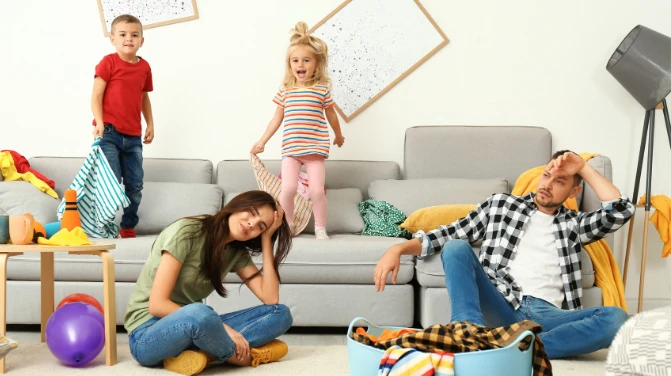
These words often set off a storm: crying, tantrums, anger. Many parents wonder why their child is so impatient, and whether they're doing something wrong. The truth is that patience isn't a skill children are born with. It develops gradually, alongside the maturing brain and with an adult's support. So our goal isn't simply to make a child wait, but to help them cope with waiting without feeling lost and helpless.
Why patience is so hard for young children
A young child's brain hasn't yet developed a strong capacity for self-control. The part responsible for waiting and regulating impulses develops gradually, and only fully matures in later years.
What a child experiences when they have to wait
a strong impulse of "I want it now"
no sense of time
fear that the wish won't be granted
To a child, "in a bit" often means "never."
How impatience shows up day to day
Impatience rarely arrives alone. It shows up through behaviour.
This isn't bad parenting. It's a sign that the child doesn't yet have the inner resources they need.
Why "just let them wait" doesn't work
We often assume a child will learn patience if we simply make them wait. But without support, waiting feels empty and frightening.
how to cope with frustration
what to do while waiting
They're simply left alone with an overwhelming emotion.
How to build patience step by step
1. Start with very short waits
Patience is trained in small doses.
Gradually increase the time, always in line with the child's age.
2. Name what's happening
When a child understands the process, waiting becomes easier to bear.
"You're waiting while I finish this, then I'll be with you."
3. Give them something to do while they wait
Waiting with nothing to do is the hardest kind.
"While you wait, stack these blocks."
This teaches a child how to fill the time.
4. Show them you noticed the effort
Even if a child doesn't quite manage it, the effort still matters.
"I saw how hard you tried to wait."
This builds inner motivation.

How to respond when a child's impatience boils over
Impatience often escalates into a meltdown. In that moment, the child genuinely can't "listen."
"Waiting is really hard for you right now. I'm here."
These reactions increase the tension.
How parents shape a child's patience
Children learn most from example.
Children watch whether we
Patience is "passed on" through our own behaviour.
When to expect real progress in patience
It's important to keep our expectations realistic.
2 to 3 years: very brief waiting
4 years: a few minutes, with support
5 to 6 years: longer waits, with reminders
Every child develops at their own pace.
Is it normal for my child to not be able to wait at all?
Yes, especially under age 4.
Should I insist they wait if they can't?
It's better to support them than to insist.
What should I do if my child always wants to go first?
That's normal. Taking turns is learned gradually.
Patience isn't built through waiting, but through presence. When we stay close while a child is struggling, they gradually learn to hold on, to regulate their emotions, and to trust that their needs won't be forgotten.
Start with small steps, short waits and plenty of understanding.
That's the path to real patience.
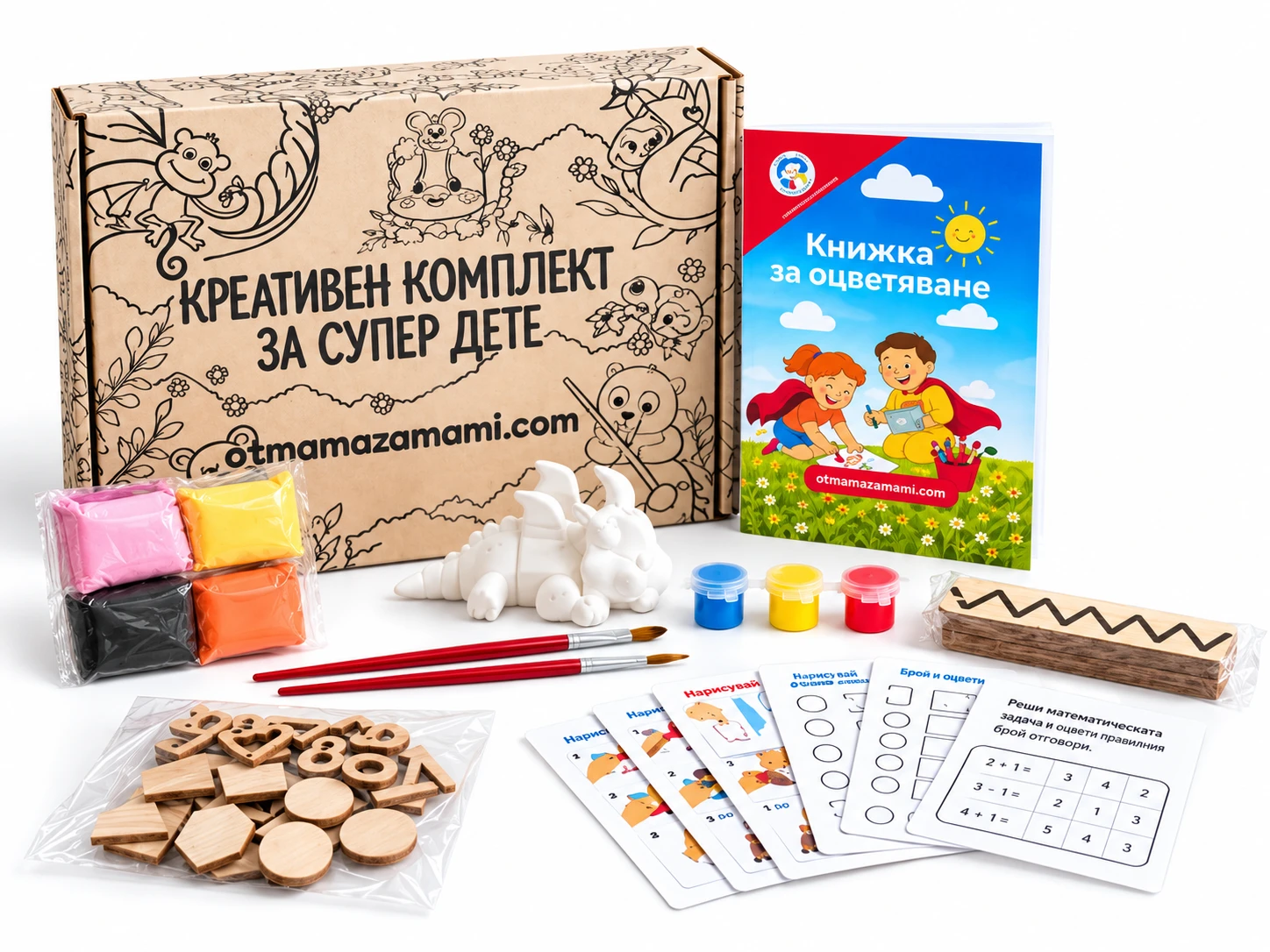
See how you can support your child's development: https://otmamazamami.com/komplekti/