








What's Really Behind Aggressive Behaviour in Young Children?
3 min read От Мама За Мами
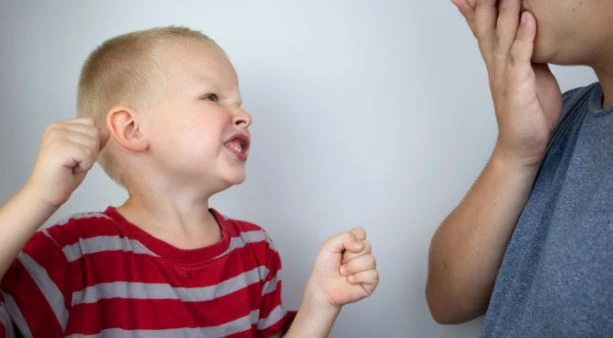
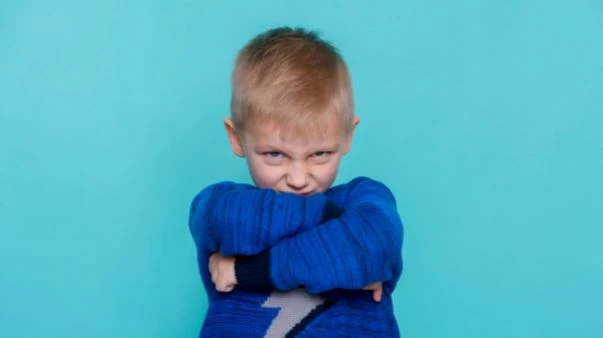
They hit. They pinch. They push. And you're left standing there, thinking: "How can my little one do this?" "What did I do wrong?" "Should I be punishing them?" Parents' reactions are often a mix of shock, shame, guilt and fear, especially when it happens in front of other people. But the truth is that aggressive behaviour in early childhood isn't a sign of a "bad child." It's a signal of emotional overload and a not-yet-developed ability to cope with big feelings.
Young children often act out aggressively because they can't yet put what they're feeling inside into words. Up until around age four, their brains are still building the skills needed for self-regulation. Hunger, overtiredness, too much stimulation: any of these can lead to behaviour that looks completely out of control. The child isn't thinking "I'll hit them because I'm bad." They simply don't know any other way to express tension, frustration, or a need for attention.
In moments like these, the biggest challenge for a parent is staying calm. A response like "We don't hit. I can see you're angry. I'm here to help." shows the child that their feeling is valid, even if there's a better way to express it. Removing the child from the situation shouldn't be isolation or punishment, but a chance to settle: "We'll stay here together until you feel calmer." This teaches boundaries without damaging the bond.
After an outburst of aggression, it's time to talk it through. Not right away, but once you've both calmed down. Instead of blame, we offer understanding: "You were angry because you wanted the toy. Next time, you could say: 'I'm okay.'" Conversations like these, repeated often, start to build a vocabulary for emotions. Over time, the child will begin to use words instead of hands, not out of fear, but because they've learned to.
It's just as important to know what to avoid. Shouting, shaming a child in front of others, or using labels like "bad child" all erode trust and self-confidence. Young children don't have the capacity to grasp social nuance the way adults do. They don't know that their aggression puts everyone in an awkward position; they're simply reacting to inner chaos. And the more often we insult or punish them, the more that chaos grows.
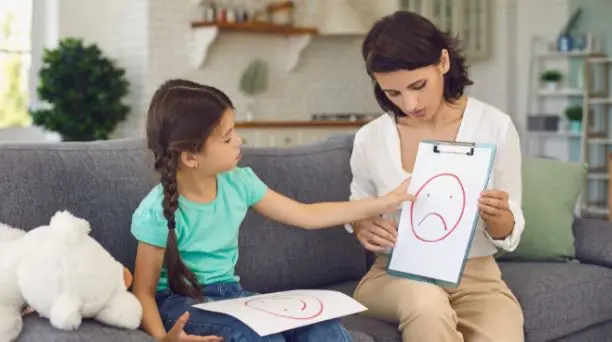
Long-term support comes from small, everyday steps. Reading books about feelings, role-playing games like "What do we say when someone makes us angry?" and plenty of movement. Dancing, running, jumping: physical activity helps the body release built-up tension. But most of all, it's the secure bond with an adult that matters. When a child knows there's always someone there to calm them, understand them, and accept them, they gradually start to take on those patterns themselves.
Aggression isn't a failure. It's a call for help: "Help me understand what's happening inside me." And when we respond with clarity, boundaries and love, the child learns. Not out of fear. But through connection.
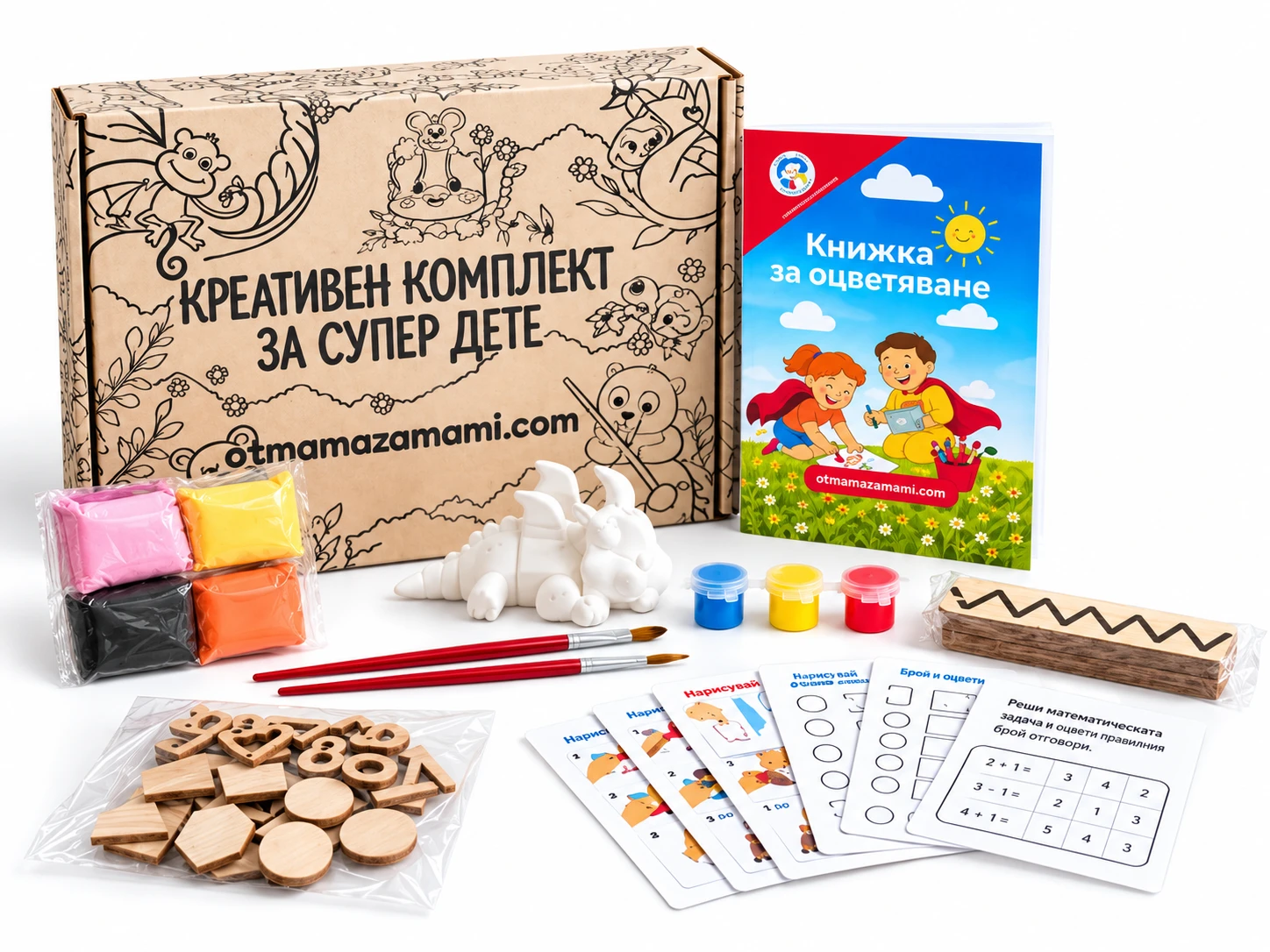
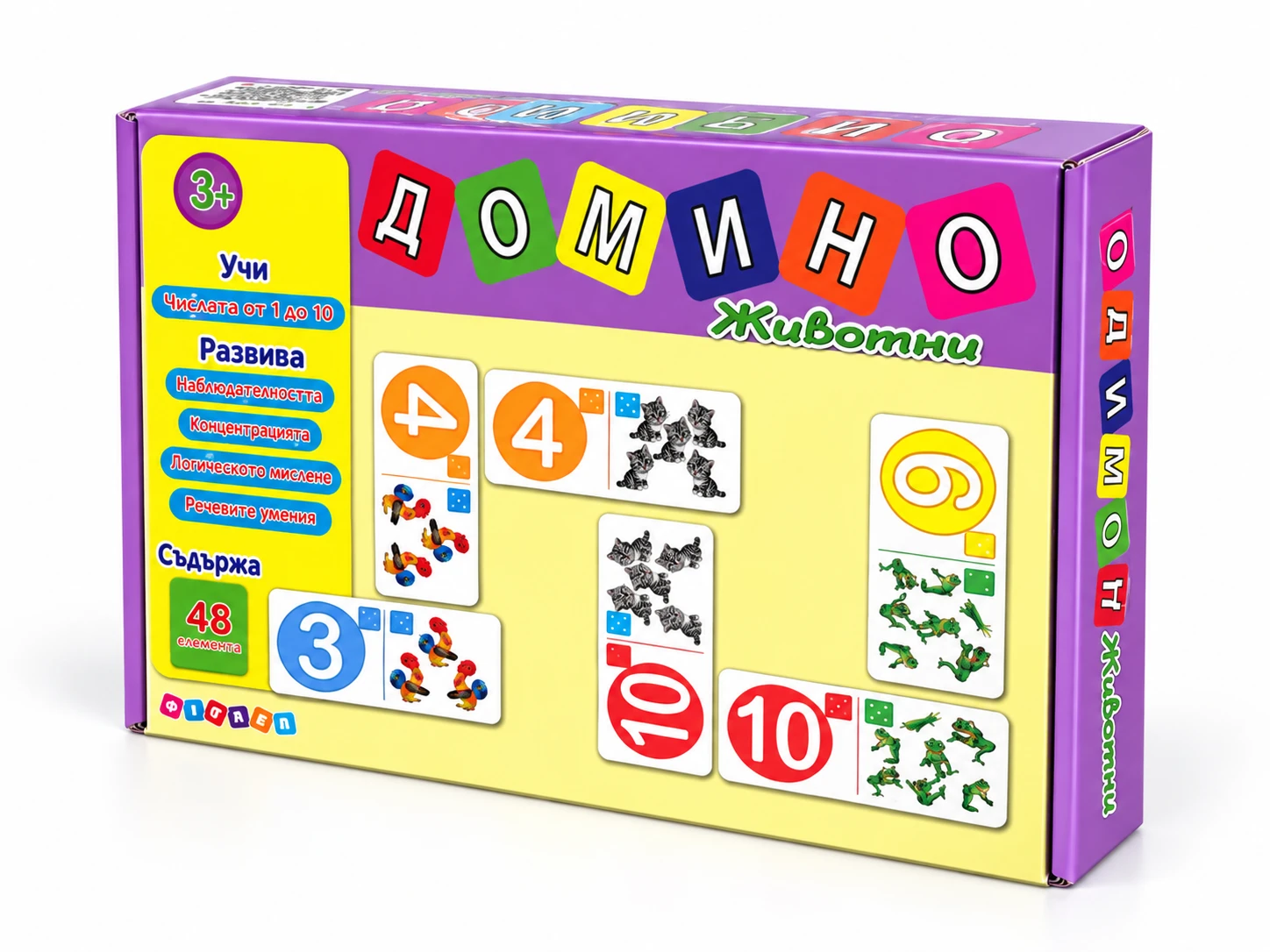
See how you can support your child's development: https://otmamazamami.com/komplekti/