






What Affects Children's Immune Systems
6 min read От Мама За Мами
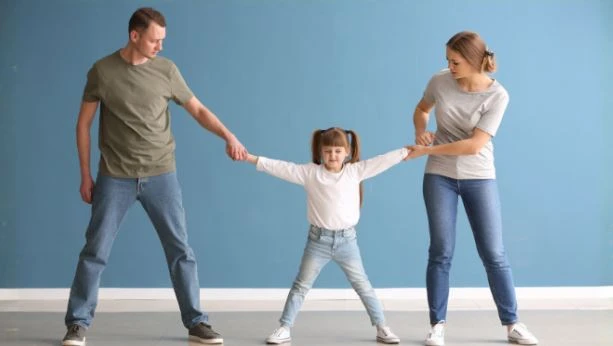
How parents' separation affects children
Separation between two adults is always hard, but when a child is part of the equation, every word, glance and decision leaves a mark. For young children, the world is measured by the stability of mum and dad. When that stability wavers, their sense of security starts to crack. Even so, with the right support and mindful behaviour from both parents, a child can go through this process without lasting emotional scars.
How children perceive separation
Adults often underestimate how strongly children sense tension. They may not understand every word, but they feel everything: the tone of voice, the looks exchanged, the changes to daily routine.
Children under 3 sense the change through a parent's absence. They may show anxiety, trouble sleeping, or regress in their behaviour (for example, wanting a bottle again).
Children aged 4 to 7 often look for blame in themselves. They may think: "If I'd been better, mum and dad wouldn't have argued."
Children aged 8 to 12 are already aware of the conflict, but don't know how to handle feeling loyal to both parents.
Teenagers may react with anger, withdrawal, or even apathy, behind which lies deep sadness.
The emotional impact of separation
The heaviest blow to a child doesn't come from the separation itself, but from the way parents experience and communicate it.
Guilt and confusion
Many children believe they're to blame for the separation. Even if no one has told them that, they draw a connection between their own behaviour and the arguments at home.
Insecurity and fear of abandonment
When one parent leaves, a child may fear the other will disappear too. This often leads to intense clinginess, sleep difficulties, or a fear of being alone.
Emotional tension can show up as defiance, angry outbursts, or withdrawal. Anger is often how a child expresses a pain they can't put into words.
How parents can help
Separation doesn't have to mean trauma. Children have a remarkable ability to adapt, as long as they feel loved and secure.
1. Talk openly and calmly
Children need clarity. Use simple words and don't assign blame. For example:
"Mum and dad won't be living together anymore, but we both love you and we'll both take care of you."
2. Don't use your child as a go-between
Don't make them pass on messages or pick a side. That creates guilt and pressure no child should have to carry.
3. Give them space to express their feelings
Let them be sad, angry or confused. Acknowledge their feelings instead of dismissing them:
"I understand you're sad. I am too. But it will pass, and we'll get through this together."
Children feel safe when they know what to expect. Try to keep familiar routines going: the bedtime story, Sunday breakfast, playdates.
5. Keep showing respect for the other parent
Even if the separation is painful, avoid speaking badly about your ex. To your child, that person isn't just "him" or "her": it's their parent, part of who they are.
The long-term impact on a child's development
When separation is accompanied by conflict, children can develop protective patterns that follow them into adulthood.
Distrust of relationships, a fear that love always ends in pain.
Difficulty with emotional communication, a tendency to suppress feelings to avoid conflict.
Excessive self-reliance, a sense that they can't depend on anyone.
But when separation happens with respect and support, the effect can be the opposite: children grow up more self-aware, with a better understanding of boundaries and human differences.
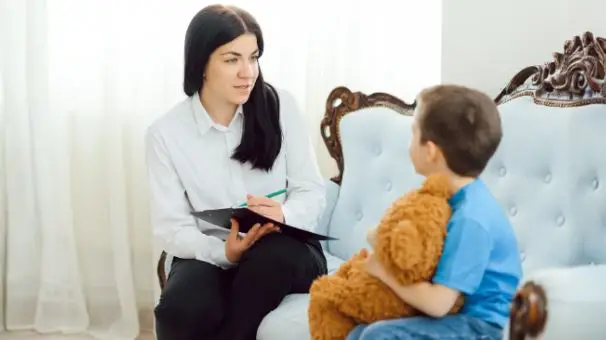
When to seek professional help
Some signs suggest a child may need psychological support:
Prolonged sadness or apathy
Problems with sleep or eating
A sudden change in behaviour at school
A child psychologist can help a child express their emotions in a healthy way and rebuild their sense of security.
Practical steps for a calmer adjustment
Create a clear schedule for time with both parents
Give your child a comfort object, a photo, a favourite toy, a note
Use children's books and stories that talk about separation
Don't try to "buy" their love with gifts, they need time, not things
Remind them often: "It's not your fault"
Separation isn't the end, it's a new beginning
Yes, separation hurts, for adults and children alike. But it can also become a lesson in love, maturity and empathy. When a child sees that their parents can remain respectful and caring even after separating, they learn that love takes many forms, and that a family doesn't disappear, it simply changes shape.
What should I do if my child doesn't want to see the other parent?
Don't force it, but don't encourage the withdrawal either. Talk calmly about the reasons and suggest meeting in a neutral setting.
Should I tell my child the real reason for the separation?
Yes, but in an age-appropriate way. Avoid details about affairs or financial disputes. Share only as much as they can understand without burdening them.
How long does it take a child to adjust after a separation?
There's no universal timeline. The first six months are usually the hardest, but with support and consistency, most children find their calm again.
Can separation have a positive effect?
Yes, if it puts an end to constant conflict at home. Two calm households are better than one full of tension.
A parents' separation isn't the end of childhood: it can be the start of new maturity and a deeper connection, if it's handled with love and respect. A child needs to hear one simple but powerful message:
"Mum and dad aren't together anymore, but we will always be your parents."
If you're going through this process, don't go it alone. Seek support: a psychologist, a parents' group, or a trusted friend. Taking care of yourself is the first step towards taking care of your child.
See how you can support your child's development: https://otmamazamami.com/komplekti/