


What Are the Most Important Habits to Build in Children by Age 3?
4 min read От Мама За Мами
As parents, it's important to focus on building healthy habits for our children from the earliest age. Here are some of the most important habits to instil in your child by age 3:
Establish a consistent routine: Create a daily routine that includes regular mealtimes, nap times and bedtime rituals. Consistency helps children feel secure and develop a sense of predictability, which can reduce anxiety and support healthy development.
Encourage healthy eating habits: Offer a variety of healthy foods at every meal, including fruit, vegetables, wholegrains and lean protein. It's best to limit sweets and processed foods, and to avoid using food as a reward or punishment. It also helps to encourage children to listen to their own hunger and fullness cues and to try new foods.
Build a love of physical activity: It's wonderful to encourage children to be physically active every day. This can include unstructured play, such as running and jumping, as well as structured activities like swimming or dance classes. It's important to limit sedentary activities such as screen time.
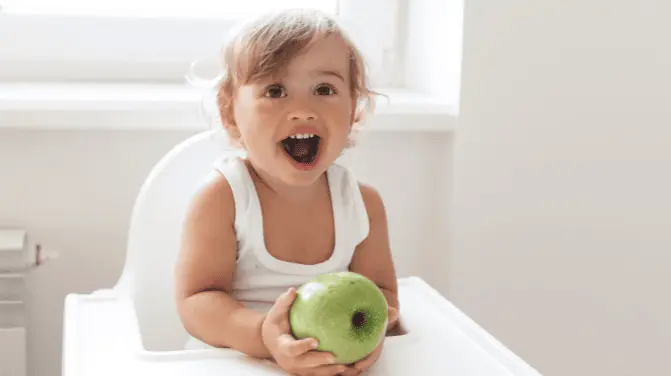
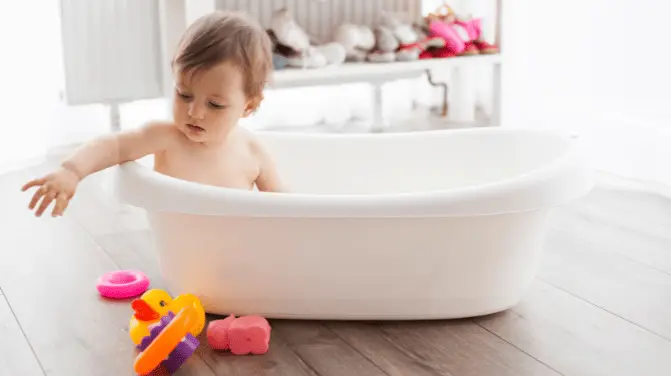
Encourage good sleep habits: Children under 3 need around 12-14 hours of sleep a day, including naps. Establishing a consistent bedtime routine, such as a bath, a massage, a story and cuddles, and providing a quiet, dark and comfortable sleep environment, goes a long way towards helping children sleep soundly. It's important to avoid screen time and stimulating activities before bed.
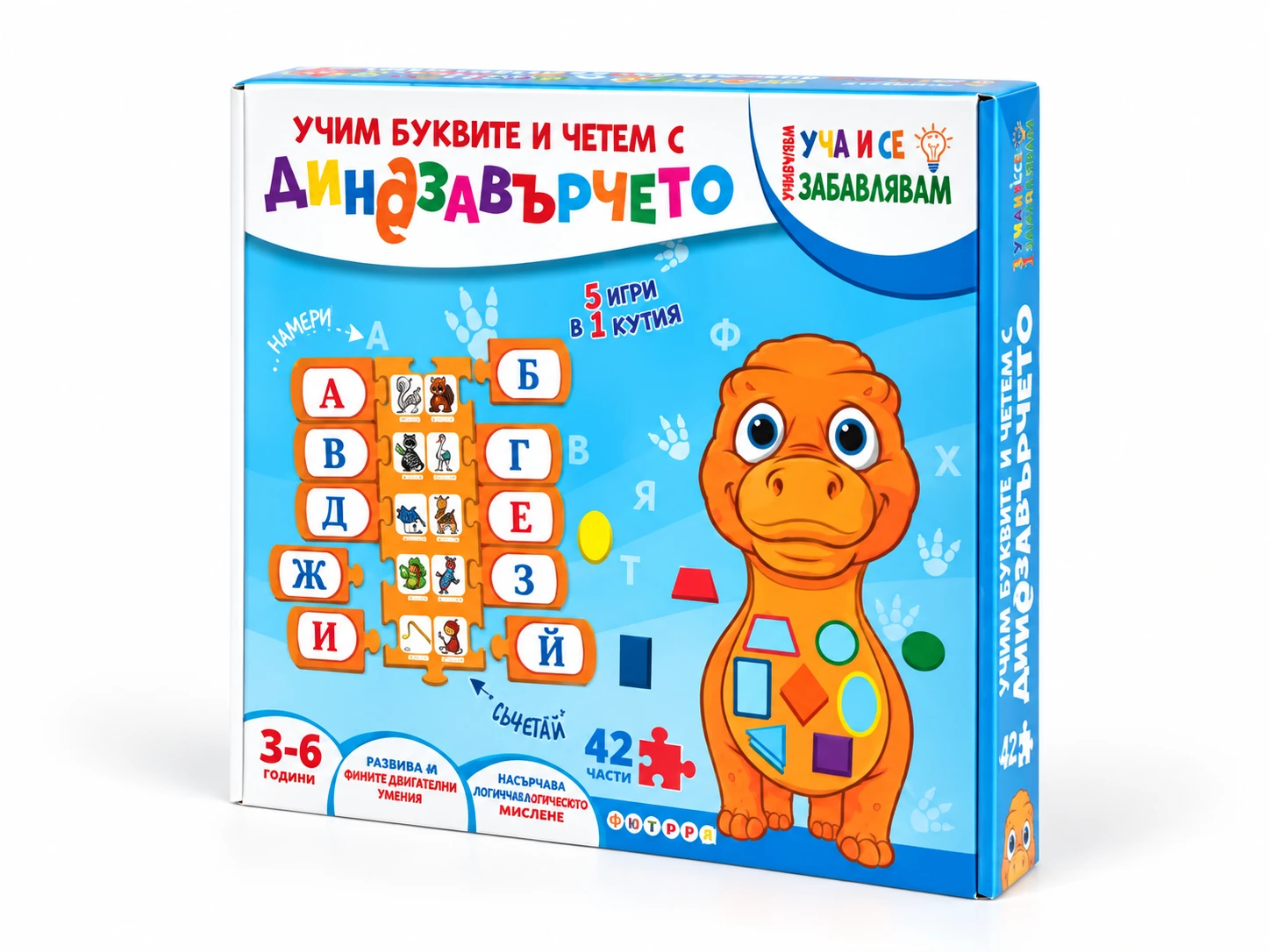
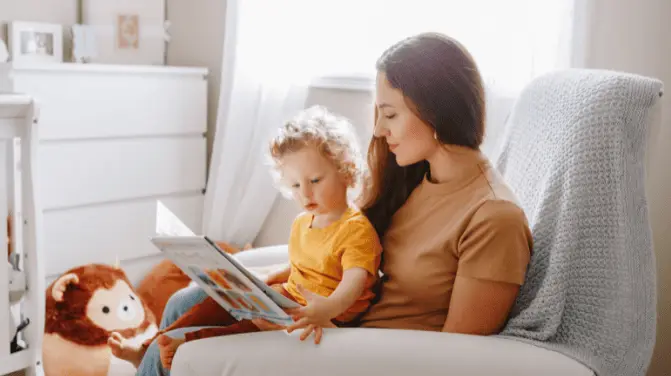
Read stories and encourage language development: Reading to our children and talking with them is essential for encouraging language development and a love of learning. Choose age-appropriate books with colourful pictures and simple sentences. We can ask questions as we read and encourage children to use language and respond to us in ways that match their abilities and stage of development.
Socialising: Children learn a great deal through imitation. Social skills develop intuitively and quite easily through interaction with others. It's good to give children opportunities to play with their peers, whether through structured activities like playgroups or unstructured play at the park. This teaches them how to share and take turns, and models positive social behaviour.
Build basic hygiene habits: It's essential to teach children basic hygiene habits such as washing their hands regularly, covering their mouth when they cough or sneeze, and brushing their teeth twice a day with toothpaste. It's also good to encourage healthy habits like drinking enough water and regular exercise.
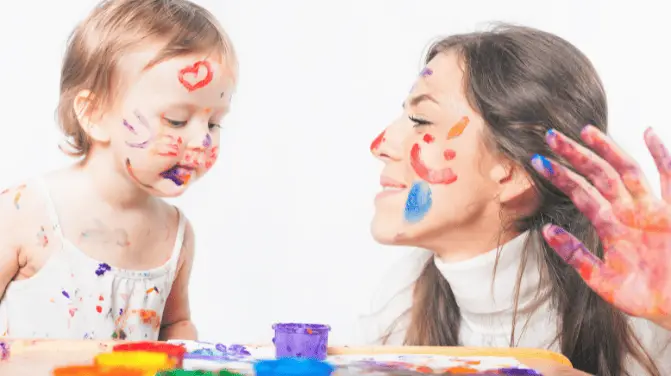
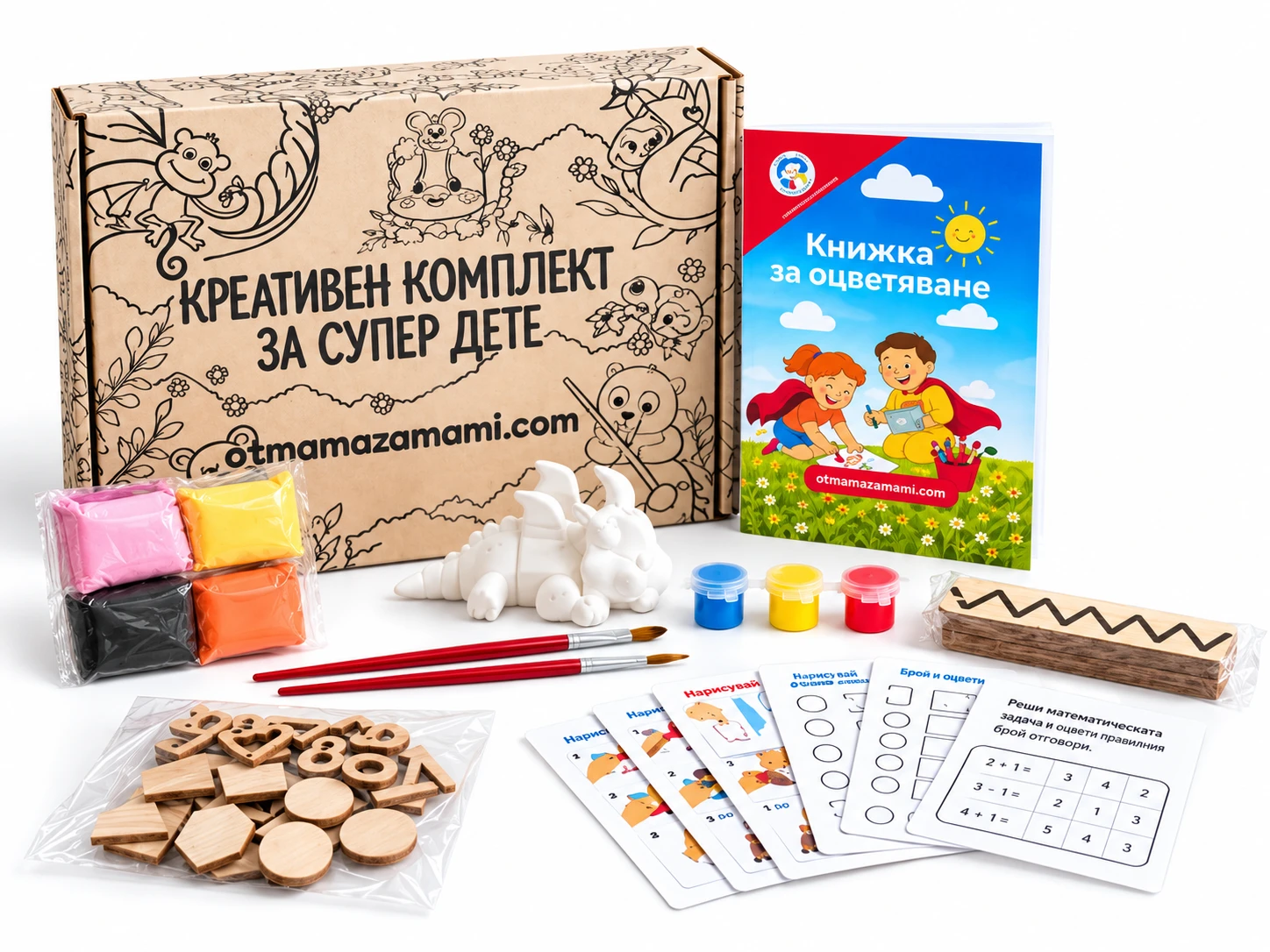
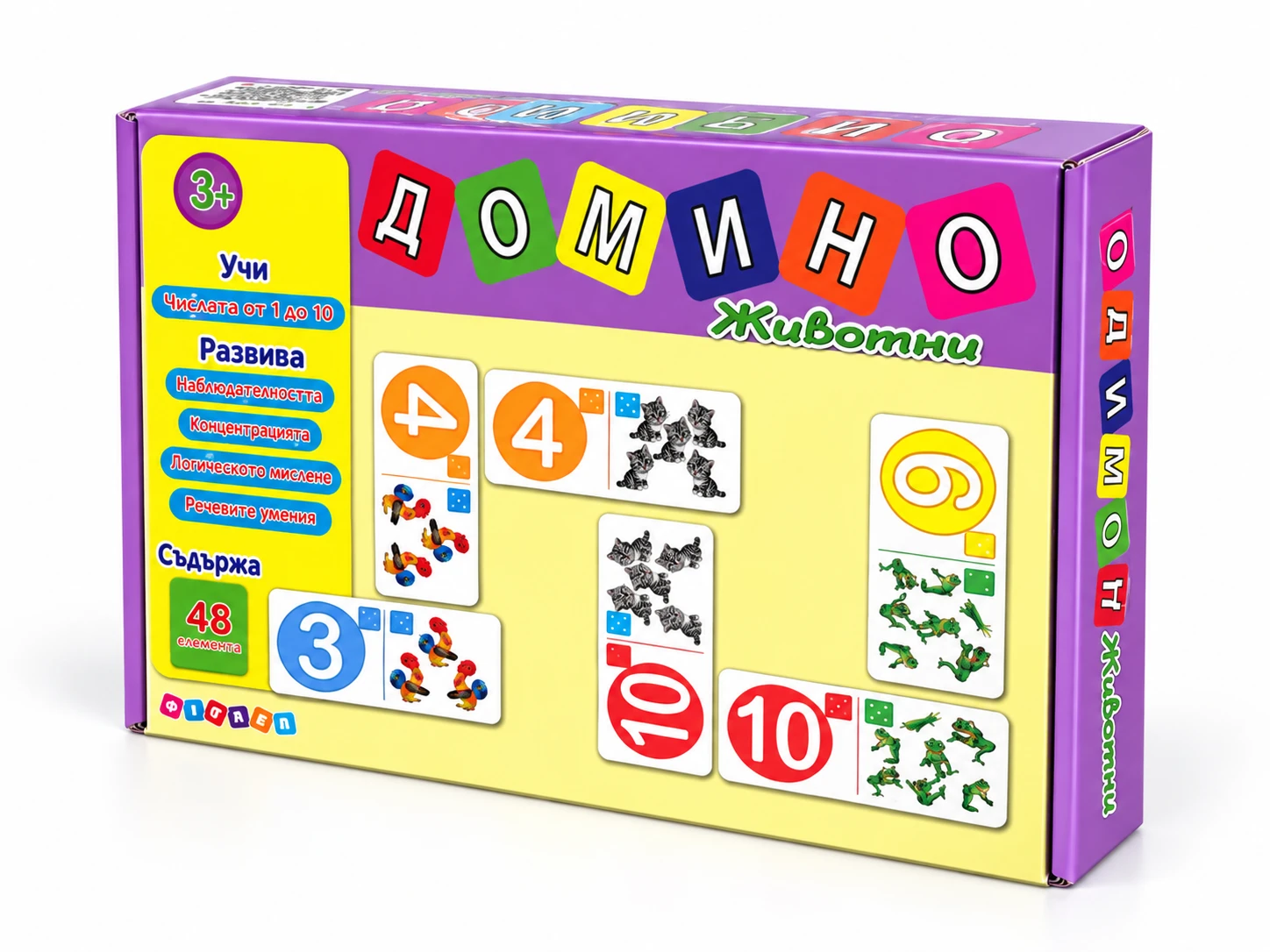
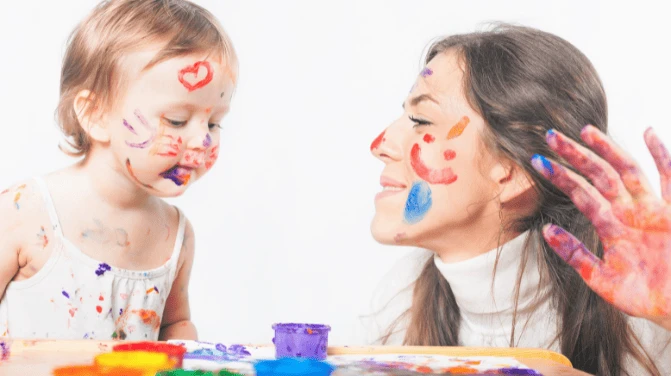
Encourage creativity and imagination: Encouraging little ones to take part in creative play, such as drawing, colouring, building with blocks or dress-up games, is a wonderful activity with plenty of benefits. It stimulates the development of their imagination and problem-solving skills.
Emotional regulation: Young children often have strong emotions that can be hard to manage. Showing them how to manage and control these feelings can be a real challenge, but it's important. It helps children to learn to identify and express their emotions in healthy ways, such as taking a deep breath or using words to describe how they feel, in place of purely instinctive (and sometimes intense) reactions. Keep in mind that this takes time and varies a great deal from child to child, and many factors influence each little one's emotional development. What matters most is that we model positive emotional regulation ourselves.
Encourage independence: We should help children build independence by letting them do things for themselves, such as getting dressed, drinking water, combing their hair, or putting their toys away in their designated spots. It's good to encourage them to make choices and take responsibility for their actions, while still providing guidance and support, and of course always keeping their safety in mind.
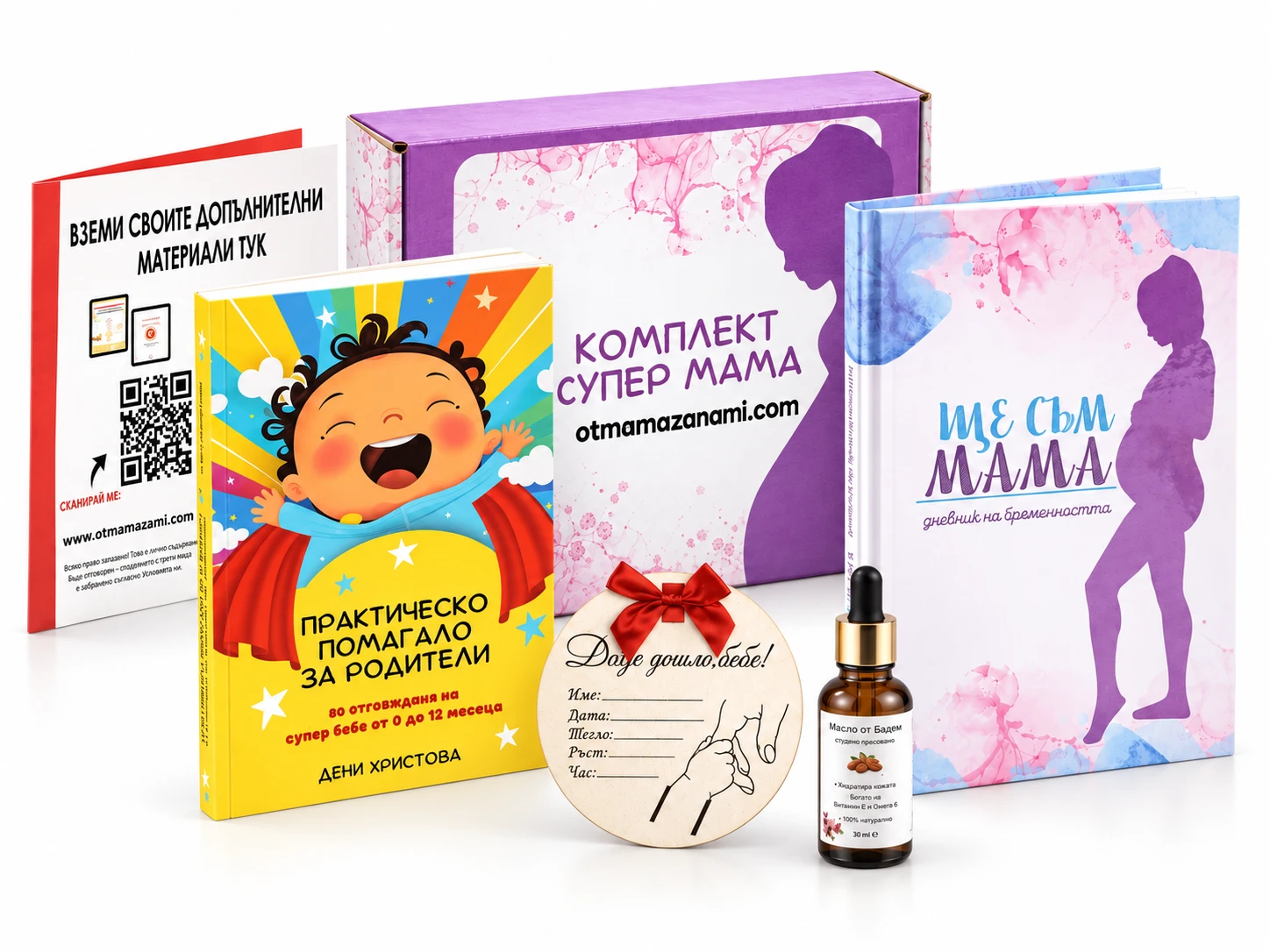
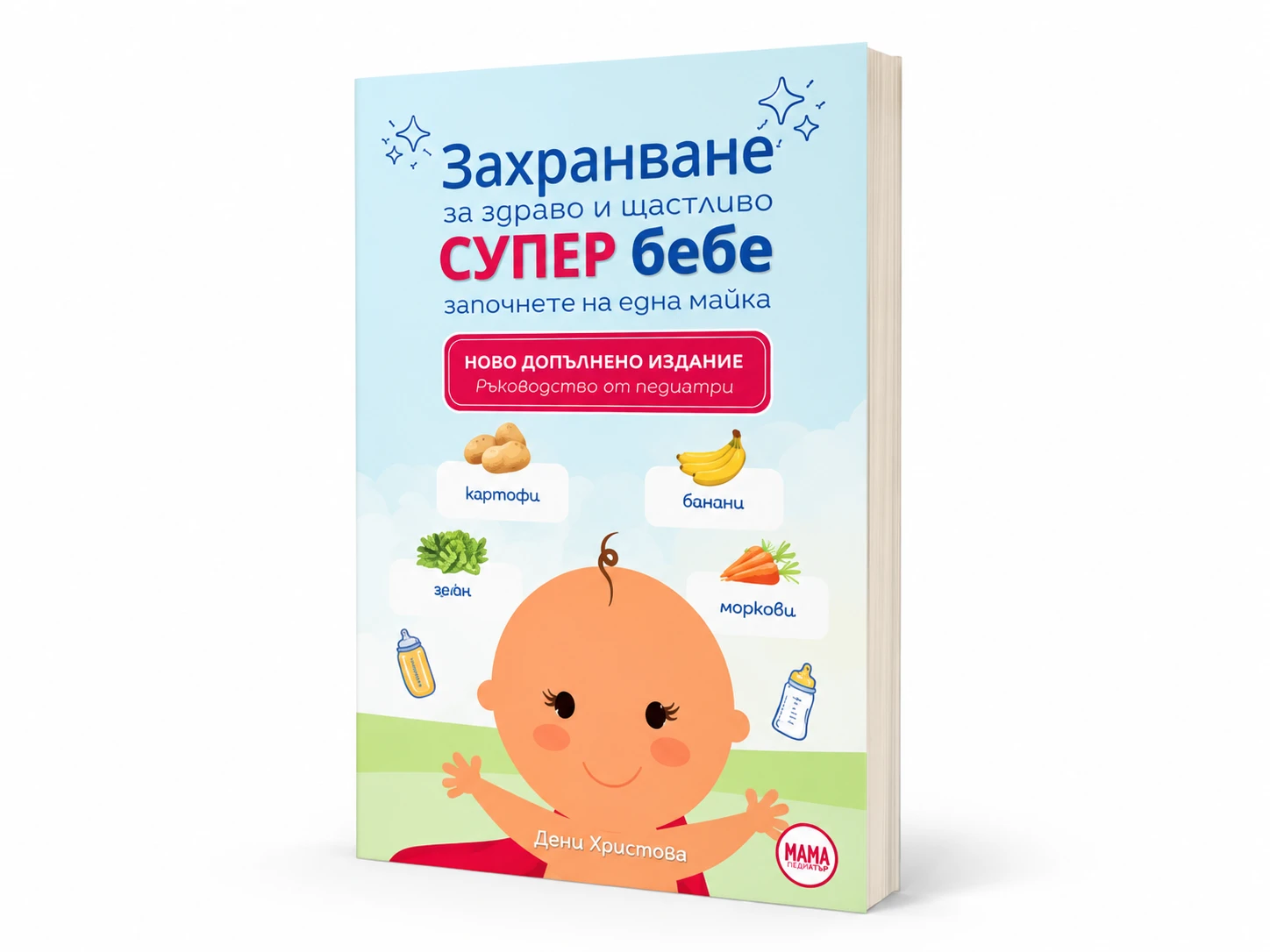
See how you can support your baby's development from their very first year: https://otmamazamami.com/pomagalo-super-bebe/pomagalo-super-bebe